The Finnish education system consists of early childhood education and care, pre-primary education, primary and lower secondary education (basic education), general upper secondary education, vocational education, higher education, and adult education. In Sri Lanka, we have Primary Education, Middle Education, Secondary Education, Vocational Education, and Tertiary Education.
Why Finnish Education is the best?
One of the most distinctive features of the Finnish education system is its strong dedication to equality. In Finland, standardised tests are not used until puberty. This contrasts with Sri Lanka because children are required to face exams in their early school years.
Their emphasis is on guaranteeing that every student, irrespective of their financial status, has a top-notch education. International results demonstrate this philosophy: Finland has long been among the top nations in the PISA report (Programme for International Student Assessment), particularly in reading comprehension. Finland is ranked sixth in the world among participating nations for reading comprehension, according to the most recent report (2022).
The National Human Resources Development Council (NHRDC) of Sri Lanka’s 2023 Statistical Bulletin reveals that the number of students dropping out of school after the G.C.E. Ordinary Level (O/L) exam has been gradually rising because 76,390 students dropped out of school after passing the O/L exam in the 2022–2023 school year alone, underscoring an increasing difficulty in keeping students in the educational system.
Unlike in Sri Lanka, In Finland, a more inclusive society has resulted from educational equality. According to OECD data, Finland has one of the lowest rates of child poverty in Europe with less than 5% of children living in extreme poverty. This means that the Finnish system fosters social cohesiveness as well as intellectual achievement, lowering any disparities among its participants.
Additionally, compared to Sri Lanka, where children begin preschool at the age of three, formal education in Finland starts at age seven. However, Finnish students’ performance has not suffered as a result of this delayed method to teaching reading and writing. Finland actually has one of the highest reading competence rates in the world. According to the 2018 PISA report, 90% of Finnish 15-year-olds attained a minimal level of reading competency, which is significantly higher than the OECD average of 67%.
With one of the highest rates of postsecondary education in the OECD (44% of Finns aged 25 to 34), Finland has one of the most educated populations in the world.
Sri Lanka is often praised for its high literacy rate of 92% but at what cost has this success been attained? Behind these impressive statistics, children still face often-overlooked realities such as poverty, financial hardships, unequal access to educational opportunities and intense academic pressure. These statistics do not fully capture the challenges and inequalities because these systemic barriers continue to affect students where they have to stay silent and suppressed in order to continue their educational journey.
Another feature that set the Finnish educational system apart is its emphasis on a balance between class and playtime. Finland has shorter school days than countries like Sri Lanka, South Korea or Japan. Compared to the customary 30–40 hours in such countries, Finnish students attend classes for an average of 20 hours per week. The child’s general development is aided by the extra time spent on play and extracurricular activities. According to the World Health Organization (WHO), these activities improve young people’s social and creative abilities as well as their physical and mental health.
Finland’s highly trained teachers are another key pillar in the country’s educational achievements. Only individuals with the highest secondary school marks are eligible to pursue a profession in teaching due to the stringent screening process. Furthermore, a master’s degree in pedagogy is held by 60% of Finnish educators, guaranteeing a high degree of preparation. Finland has one of the highest percentages of highly qualified instructors, according to an OECD survey. This emphasis on ongoing professional development and teacher autonomy has enabled each teacher to modify their instructions to meet unique requirements of their students, which has been shown to improve academic results.
Sri Lanka’s situation with teachers has been tragic for years for many reasons. While the system boasts pedagogically competent teachers, there are also teachers with minimal qualifications and in terms of affordability, many private institutions hire teachers at lower salaries rather than hiring high-performing teachers. Teachers who are knowledgeable about what they teach are also trapped in a traditional system with a heavy syllabus that has to be covered within a strict timeframe, making it difficult for them to adopt creative or unconventional methods of teaching students.
These two systems illustrate two contrasting approaches: the Finnish model emphasises equity, creativity, and critical thinking to improve children’s learning journeys while the Sri Lankan model prioritises exam performance, syllabus completion, and university entrance at the expense of students’ well-being, creativity and critical thinking.
Thus, there is still hope for Sri Lanka to prioritize students’ well-being by adopting Finland’s fundamental values of equality and autonomy because although the two countries differ in their cultural, social and economic contexts, embracing these principles could help create a more inclusive and student-centred education system in Sri Lanka.
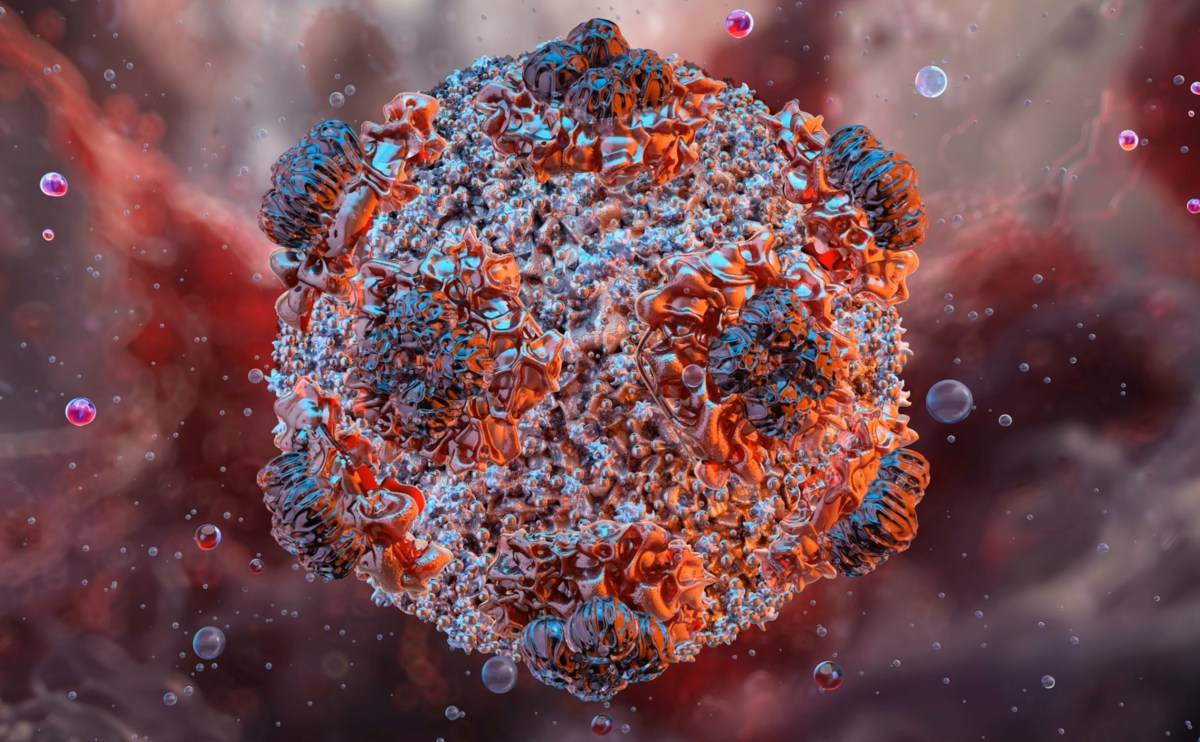
What may begin as an ordinary fever or seasonal flu can rapidly become a serious medical emergency when caused by hantavirus. Doctors explain that infected individuals often first experience body aches, fatigue, headaches, nausea and mild fever, making the illness easy to mistake for a common viral infection.
However, within a few days, some patients develop severe breathing difficulties as the virus begins damaging the lungs.
The most dangerous aspect of hantavirus infection is that the early symptoms can seem so deceptive mild
Dr. Arjun Khanna, HOD, Pulmonology Medicine, Amrita Hospital
Hantavirus is mainly spread through contact with infected urine, saliva or droppings, especially in dusty, poorly ventilated and rodent-infested areas such as storerooms, barns, warehouses or abandoned buildings. Health experts stress that early diagnosis is critical because there is currently no specific cure for the infection.
What makes the disease medically concerning is that hantavirus does not attack the lungs like regular pneumonia does. It attacks the tiny blood vessels called endothelial cells1 inside the lungs. This creates overly leaky blood vessels that cause fluid to leak into the air sacs responsible for oxygen exchange, a dangerous condition known as pulmonary edema.
As oxygen levels fall, patients may suddenly experience chest tightness, rapid heartbeat, blue lips, and extreme shortness of breath. Medical experts warn that this rapid deterioration can happen within hours, often requiring intensive care and ventilator support.
Currently, there is no specific antiviral treatment available for hantavirus infections and treatment mainly focuses on early diagnosis, oxygen therapy, intensive care support and mechanical ventilation in critical cases.
Pulmonologists also warn that flu-like symptoms followed by sudden breathing difficulties after possible exposure to rodents should never be ignored.
Preventive measures such as controlling rodents, ventilating enclosed spaces, and wearing masks and gloves during cleaning can significantly reduce the risk of exposure.
Endothelial cells are specialized, flat cells that create a single-cell-thick inner layer (the endothelium) of blood vessels, lymphatic vessels, and the heart. They function as a dynamic, selectively permeable barrier between blood and surrounding tissues, playing an essential role in cardiovascular health.↩︎
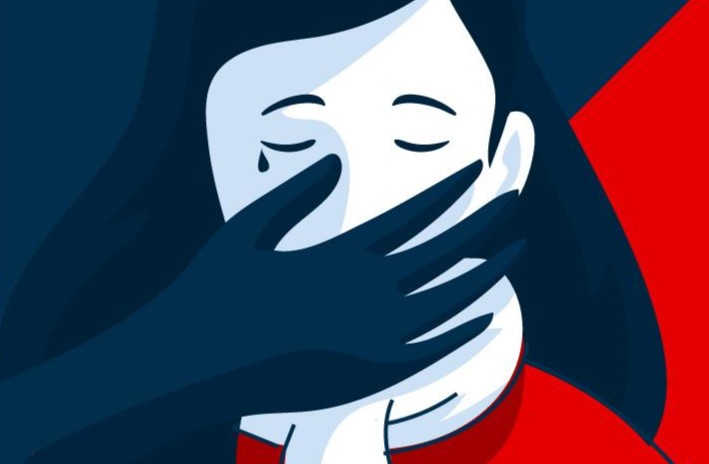
Recent news circulating around a high-ranking Buddhist monk, Venerable Pallegama Hemarathana Thero, reveals a horrifying yet undeniable truth about sexual abuse, especially in a society that holds tremendous respect for elders and religion. This case, indeed, should be addressed through a more critical lens. In addition, shouldn’t we question whether parents, schools, religious institutes and the government are doing enough to provide comprehensive awareness, education and protection for vulnerable individuals?
Shouldn’t people, as a community, be worried that if monks and parents in today’s world can act in such cruel ways, who cannot and who will not?
Ven. Pallegama Hemarathana Thero, a 71-year-old chief priest, was arrested on May 9, 2026, for allegedly sexually assaulting a 15-year-old girl. The alleged victim’s mother was accused of facilitating and abetting the abuse and was therefore also arrested and remanded in custody.
But, isn’t this case a hot topic that causes pain today because a Thero, a mother and her daughter were involved in it?
This child represents hundreds of children, women and men who are exposed to sexual violence every single day in silence, confusion and fear. Behind all these headlines, there is a much larger reality that victims struggle to speak about and the public fail to fully understand.
This raises a few urgent questions:
Are we truly educated enough about sexual violence?
How to identify it?
When to act against it?
Where the law stands when seeking justice?
Because as widespread as it is, sexual abuse cannot be defined in one sentence, nor can it be described by one act alone. Therefore, to be literate about sexual abuse is to be cautious and aware of any form of violent or non-consensual contact.
Therefore, with the aim of educating the pubic, this article explores the different forms of sexual abuse, the realities of victims when reporting abuse and the gaps and controversies that exist within Sri Lankan law and social awareness.
A recent 2026 survey done by the National Child Protection Authority (NCPA) revealed 144 reported cases related to child sexual abuse within just the first three months of the year. However, this only uncovers one side of a much darker reality because may cases still go unreported due to fear, shame, social stigma and lack of evidence. Sometimes, victims do not realize that what they went through was abuse.
Type of Abuse
January
February
March
Grave Sexual Abuse
3
7
7
Sexual Exploitation
1
0
0
Rape
8
16
20
Sexual Harassment
20
24
41
Taken from Child Abuse and Other child related complaints reported to NCPA by Districts by Category – (Year 2026.01.01 to 2026.03.31)
What do we really know about sexual violence?
According to the law, sexual abuse refers to any non-consensual sexual contact or behavior committed by a person or group of people. Terms such as rape, sexual assault, child sexual abuse, incest, sexual harassment and domestic violence are widely-recognized in society but many people remain unaware of the actions, behaviors and boundaries that define these crimes.
Today, society recognize sexual violence only through these labels because they lack the literacy to identify abusive bahiavior happening around them.
Now, why are we, as educated individuals, still unaware of the many different forms and realities of sexual abuse? Shouldn’t we address the act that are rarely spoken about or are trivialized to the point where society no longer even considers them abuse?
Therefore, it is important to educate ourselves about the different forms of sexual violence, the laws that exist surrounding them and the controversies and gaps that continue to exist within Sri Lankan legislation.
Rape
Rape is often defined as vaginal, oral or anal sex against a person’s will or without their consent.
The distinction between consensual sex and rape is simple: if a person says “No” and the other person still forces sexual activity upon them, it is rape. However, in Sri Lankan law, this distinction has become complicated, especially within the ranges of marriage.
Controversy I: Rape cannot happen within the context of marriage
According to the Sri Lankan Penal Code, it does not amount to “rape” if a husband has forceful sexual intercourse with his wife without her consent unless the couple is “judicially separated”. In this context of marriage, the notion of consent has become largely absent. Thus, this creates the presumption that the consent of the wife is irrelevant in regards of sexual intercourse within marriage.
Under the law, a perpetrator can still commit “rape” even with the victim’s consent but only if the consent is obtained unlawfully, through coercion, fear or deception. If the perpetrator is not her husband, it is “rape”, but if it is her husband, it is not.
Statutory Rape
Statutory rape is a criminal offense defined as sexual intercourse or contact with a person below the legal age of consent which is 16 years in Sri Lanka. It is rape regardless of whether the minor consented and participated in the contact willingly because according to the law, the minor is incapable of consenting to sexual activity.
Controversy II: Men cannot legally be recognized as rape victims under Sri Lankan law
While we can argue that forceful sex is still rape within marriage, it is also pivotal to examine another major gap within Sri Lankan law: a man cannot be legally recognized as a rape victim in the same way a woman can.
Gender-Biased Wordings
The law repeatedly phrases words like “a man” and “the male” to represent the perpetrator and “the woman” and “the female” to represent the victims. This male offender and female victim model further creates problems such as female offenders becoming legally invisible, male victims getting less recognized and LGBTQ victims not fitting to any law.
Within this law, the man is primarily identified as the perpetrator of sexual violence whereas a woman is always recognized as the victim. There is no legal offense for a woman if she conducts forceful sexual intercourse upon a man.
Controversy III: Gay sex or man forcing sexual intercourse upon another man can lead both parties to get criminalized
If a man forces sexual intercourse upon a man, the act is not prosecuted under rape laws. Instead, it falls under what the law describes as “Unnatural Carnal Offenses.” This criminalizes both the perpetrator and the victim, rather than recognizing the victim as a survivor of sexual abuse. There is no punishment if the victim faced a non-consensual contact with another man nor a woman.
Consensual same-sex relationships between two adults are labelled as “unnatural” and how it is also criminalized reflects the fact that this legal framework does not resonate with modern human rights and bodily autonomy.
This raises serious concers regarding consent, gender neutrality and equal legal protection for victims of sexual violence regardless of gender.
Sexual Assault
Sexual Assault is “legally” defined as sexual contact or touching occurring in a non-consensual manner. Sexual contact means any touching of the sexual or intimate parts of the body.
Sexual Harassment
Sexual Harassment refers to any unwanted requests for favors, verbal remarks, gestures or physical conduct that make the individual uncomfortable or intimidated. This includes many of the other variants of sexual violence including sexual assault and rape.
Among the many spaces where sexual harassment occurs, streets, public transports, workplaces and educational settings are often recognized as the hunting grounds where perpetrators prey on victims.
A 2011 survey conducted by the Legal Aid Commission found that 70% of women aged between 15 and 45 had experienced sexual harassment while using public transport. These women stated that they were reluctant to press charges and the conductors were unwilling to provide sufficient evidence against perpetrators in court proceedings.
The survey respondents reported experiencing the following forms of harassment:
Abusive Experience
Percentage
Deliberate touching of any part of the body
74%
Unwanted crowding of personal space eg: excessive closeness
The respondents described their immediate emotional reactions as feeling “scared” (48%), “degraded and demeaned” (45%), “humiliated and embarrassed” (68%) and “angry” (74%).
Somehow, the law punishes such acts with imprisonment of either description for a term which may extend to five years or with a fine or with both and the offender may also be ordered to pay compensation of an amount determined by court to the person in respect of whom the offence was committed for the injuries caused to such person.
But has this ever truly been implemented effectively?Or, if these laws were properly enforced, would these women still feel discouraged from reporting such incidents?
Controversy IV: Reporting later makes no difference
A controversial reality about this is the issue of time lapse. Usually, when sexual violence occurred a long time ago, reporting it makes little to no difference legally. So, if a victim hesitated to report the incident at the time it happened because they felt afraid or guilty and later changed their mind after supposedly becoming more educated or emotionally prepared to speak up, the evidence may already have disappeared and therefore, reporting later makes no change.
Tragically, many victims and survivors of sexual harassment are often dismissed by society. They are told that they are “overthinking,” “being unreasonable,” “too sensitive” or that they “can’t take a joke.” Such reactions both trivialise and normalise abusive behavior while discouraging the victims from speaking up and seeking justice.
Stealthing
Stealthing is a form of rape that occurs when two people agree to use protection during sexual activity but one person either removes the protection (usually a condom) or lies about using one without the other person’s consent. Stealthing is considered as serious as rape and under English and Welsh law, it can carry a maximum sentence of life in prison. However, in Sri Lanka, stealthing is hardly recognized or openly addressed within the legal system.
Controversy V: Something similar to rape is unrecognisable within the Sri Lankan legal system despite its severe psychological, emotional and physical consequences on victims
Spiking
Spiking refers to the act of secretly adding alcohol, drugs, or intoxicating substances into another person’s drink or body without their knowledge or consent. Perpetrators often use spiking to weaken a victim’s awareness, memory or ability to resist, making it easier to commit sexual assault or other crimes against them.
In Sri Lanka, spiking-related sexual offenses can amount to serious criminal acts. If “a man” sexually assaults “a woman” while she is intoxicated, the law disregards any apparent consent given by “the woman” and punishes the offenders with life imprisonment.
Date Rape Drugs
“Date rape drugs” are drugs that have become known for their use by people who carry out spiking in order to rape or sexually assault someone. Some commonly known date rape drugs include Rohypnol, GHB, and GBL.
Although these terms are widely used socially and medically, they are not recognized as distinct legal categories under the law and rape and sexual assault do not associate with these as different categories.
Flashing/ exhibitionism
Flashing or exhibitionism refers to indecent exposure where a person reveals their private body parts to another person for sexual gratification or to intimidate, scare or make them feel uncomfortable.
Public awareness about flashing as a serious criminal offense increased following the viral incident involving @molsgonewild, a solo traveler from New Zealand, who recorded a “23-year-old man” asking her for sex and later exposing himself to her while she was parked on a coastal road in the Arugam Bay–Thirukkovil area on October 25.
Women and children are frequently subjected to such acts and there should be greater awareness and stronger enforcement and vocalization of punishments to encourage victims to speak when such indecency occurs.
A similar incident also involved the tourist @hugh.abroad, who shared a video of an uncomfortable encounter during his visit to Sri Lanka. In the video, viewers witnessed a woman touching the man inappropriately in ways that made him visibly uncomfortable. However, the public reaction to the incident was disheartening. Many people dismissed the tourist’s discomfort because he continued interacting with the woman and even gave her money. Seemingly, the incident was not reported as a sexual offense, possibly because the man did not press charges. Nevertheless, the incident still highlights the imbalance in how sexual violence against both men and women is perceived in society. Mae victims of harassment and assault are often trivialised, mocked or ignored instead of being treated with the same seriousness given to the female victims.
According to the Sri Lankan Penal Code, such acts can fall under offenses related to Gross Indecencybetween persons. Therefore, both men and women have the right to press charges against such behavior. It is important to emphasize that no one should hesitate to file complaints regardless of the circumstances because, regardless of how a victim reacts during or after the incident, the offender should still face consequences for their actions.
Incest
If close family members have sexual intercourse with each other, it is a crime called incest. It can be between:
A parent – child
A grandparent – grandchild
brother – sister
uncle/aunt – niece/nephew
adopted family relations too
Even if adoption or marriage paperwork have defects in them, it still can count as incest. Also, trying to commit incest is also punishable.
For many victims, especially children and vulnerable individuals, the process of seeking legal justice can be exhausting, intimidating and emotionally draining. Delays, lack of sensitivity, social stigma, and institutional barriers may further discourage survivors from continuing with legal action.
As a result, many victims choose silence over a justice system that they fear may retraumatize them rather than protect them. But, staying silent is never the answer.
You can:
Trust your instincts. If a comment, touch, gesture or action makes you uncomfortable, do not ignore your feelings or allow others to minimise them.
Speak to a trusted person as soon as possible. This could be a parent, friend, teacher, counsellor, lawyer or support organisation. Early disclosure can help preserve evidence and provide emotional support.
Document everything. Write down dates, times, locations, conversations, screenshots, messages, emails or any details related to the incident. Even if legal action is delayed, documentation can still support future reporting.
Preserve evidence whenever possible. Avoid deleting messages, photographs, recordings or clothing connected to the incident, as they may become important later.
Seek professional support. Therapy, counselling and survivor-support organisations can help victims process trauma, reduce self-blame and regain confidence.
Learn about legal rights and reporting options. Victims should be educated on workplace policies, school procedures, child protection laws and criminal reporting mechanisms available in their country.
Report the incident when safe and possible. Even if immediate legal action cannot guarantee punishment, reporting may still prevent the perpetrator from harming others and create an official record.
Build supportive communities. Friends, families, schools and workplaces should listen without judgement and avoid dismissive responses such as “you’re overreacting” or “it was just a joke.”
Encourage bystander intervention. People who witness harassment should safely intervene, support the victim and challenge inappropriate behaviour instead of remaining silent.
In Sri Lanka, complaints relating to sexual violence, harassment, domestic violence, child abuse, cyber exploitation and crimes against women and children can be directly reported to the Bureau for the Investigation of Abuse of Children & Women under the Sri Lanka Police.
The Bureau operates a 24-hour Public Complaint Desk that allows victims or witnesses to confidentially report incidents through:
A police station refuses to accept their complaint.
Proper investigations are not being conducted.
They are facing intimidation or negligence during the reporting process.
Seeking justice may feel frightening, exhausting, and emotionally overwhelming, but remaining silent only allows abuse to continue unchecked. Awareness, reporting, and social support remain some of the strongest tools society has against sexual violence
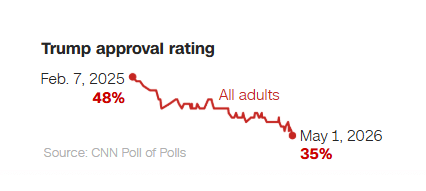
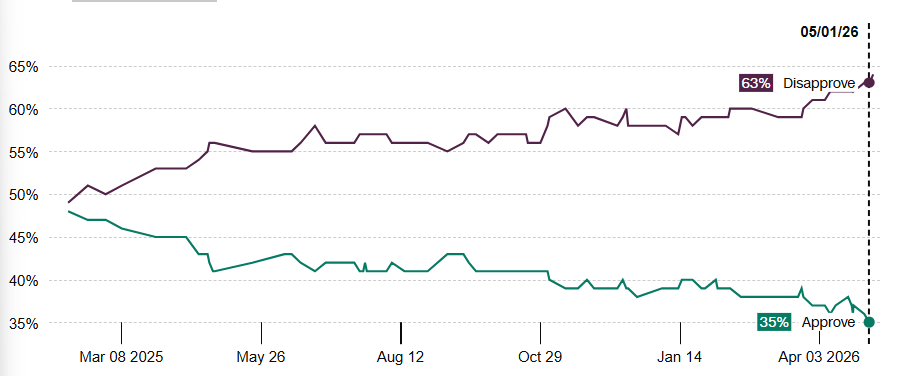
Recent CNN analysis suggests that Donald Trump is facing some of the lowest approval ratings of his political career. According to CNN Poll of Polls, only around 35% of Americans approve of his political decisions while a clear majority disapprove.
This poll combines results from several national surveys to give a more accurate picture of public opinion on President Trump. Instead of relying on a single poll, i averages multiple polls that meet certain standards and include responses from U.S. adults, making the overall results more reliable.
One major reason behind this dissatisfaction is how he handles key issues such as the economy and the rising cost of living in the country. Polls indicate that approval fr handling of inflation and economic conditions is particularly low, further frustrating the public. Additionally, the conflict involving Iran has also weakened the public’s confidence in his leadership.
Work–life balance has become one of the most important indicators of quality of life in modern societies. While some nations promote shorter working hours, paid leave and employee well-being, others still struggle with long workweeks, limited social protections, and lower happiness levels.
A global analysis conducted by Remote.com (covering the world’s top 60 economies by GDP) highlights the countries where maintaining balance between work and personal life is the most difficult.
Below is a simplified breakdown of the findings, along with how the ranking was calculated.
Countries with the Worst Work-Life Balance
Based on an index, these are the Top 10 countries/cities with the worst work–life balance:
1 Hong Kong (City of Victoria) – Overall rank: 46 | Score: 43.87
10 China (Beijing) – Overall rank: 51 | Score: 42.64
Methodology: How the Ranking Was Measured
The index is based on a composite score out of 100, combining multiple social, economic, and labor-related indicators. Instead of relying on a single factor, it evaluates nine key areas:
Statutory annual leave (paid vacation days + public holidays)
Sick leave policies and pay rates
Maternity leave duration and compensation
Average weekly working hours
Minimum wage levels (USD per hour)
Healthcare quality and accessibility
National happiness index
LGBTQ+ inclusivity and rights
Workplace safety and general living conditions
Each country is then ranked based on its overall performance across these indicators, reflecting how well citizens are able to balance work demands with personal well-being.
Key Insights from the Study
Countries with long working hours and low statutory leave consistently rank lower
Economic strength does not guarantee work-life balance (e.g., the United States ranks poorly despite being a top economy)
Nations with stronger social protections, healthcare, and leave policies tend to rank higher
Happiness and inclusivity are strongly linked to better work-life balance outcomes
The ranking highlights a global inequality in how work is structured. While some nations are moving toward flexible, human-centered work cultures, others continue to prioritize productivity over personal well-being.
However, countries that invest in people, not in just output, create healthier and more balanced societies.
Sri Lanka is hosting Sharks International 2026, one of the world’s leading conferences dedicated to shark research and marine conservation. The global event, taking place from the 4th to 8th May 2026 in Colombo, brings together scientists, conservationists, policymakers and marine enthusiasts from around the world.
As apex predators, sharks help regulate the populations of other marine species, ensuring the stability of ocean life. However, today, shark populations are under threat due to practices like overfising, habitat destruction and finning.
Events like Sharks International aim to address these challenges by encouraging collaboration, sharing research and promoting sustainable solutions.
The conference is expected to benefit the country in multiple ways. Beyond scientific discussions and research, it will provide opportunities for education, tourism and international partnerships and the participants will gain valuable exposure to global expertise.
Thus, for Sri Lanka, Sharks International 2026 is more than just an event. It is an opportunity to learn, grow and contribute to a global mission of preserving marine life for future generations.
Sri Lanka is facing a growing trend in the mass migration of educated youth. A recent report highlighted that more than half of the state university graduates are leaving the country permanently, with the figures rising to nearly 80-90% in fields such as medicine, engineering and agriculture. While this reveals the stark reality of the country’s job market, it also uncovers a painful paradox: although Sri Lanka invests heavily in free education, many of its most skilled individuals choose to build their lives elsewhere.
Sri Lanka is well-known for its free education system, especially since gaining independence. It is estimated that around 142,000 students graduate annually across disciplines such as arts (25%), management (20%), engineering (13%), and medicine (10%). Yet, according to a study by the University of Peradeniya, migration rates among the highly skilled graduates, particularly in science-based fields, are rising above 80%, showcasing a significant outflow of skilled youth.
According to the statistics, Sri Lankan government invests around Rs. 87 billion annually in university education. Yet, many argue that the system ultimately enables skilled individuals to contribute to the development of other nations, particularly in the West while Sri Lanka continues to struggle with a 24.5% poverty rate (World Bank, 2025)
However, the blame should not rest solely on those who migrate. At the heart of this issue are deep structured challenges. Low wages, limited job opportunities and the lingering effects of Sri Lanka’s economic crisis continue to push these graduates abroad. Corruption, weak institutions and lack of merit based opportunities further worsen this situation. In such environment, migration becomes less of a choice and more of a necessity for young professionals seeking stability and growth.
I thought of happiness, how it is woven Out of the silence in the empty house each day And how it is not sudden and it is not given But is creation itself like the growth of a tree. No one has seen it happen, but inside the bark Another circle is growing in the expanding ring. No one has heard the root go deeper in the dark, But the tree is lifted by this inward work And its plumes shine, and its leaves are glittering.
So happiness is woven out of the peace of hours And strikes its roots deep in the house alone: The old chest in the corner, cool waxed floors, White curtains softly and continually blown As the free air moves quietly about the room; A shelf of books, a table, and the white-washed wall — These are the dear familiar gods of home, And here the work of faith can best be done, The growing tree is green and musical.
For what is happiness but growth in peace, The timeless sense of time when furniture Has stood a life’s span in a single place, And as the air moves, so the old dreams stir The shining leaves of present happiness? No one has heard thought or listened to a mind, But where people have lived in inwardness The air is charged with blessing and does bless; Windows look out on mountains and the walls are kind.
In this poem, May Sarton presents happiness not as something instant or effortless but as something that must be carefully nurtured overtime. The poem compares happiness to a growing tree, suggesting that it develops slowly, almost invisible, through patience and inner effort. It conveys us that rather than depending on external success or excitement, true happiness should be rooted within us and it should always be deeply personal.
Sarton’s words should echo in today’s society because as participants in the constant race of life, we often believe that true happiness comes from external validation rather than inner satisfaction.
The poem also emphasizes the value of solitude and simplicity. Sarton describes peaceful surroundings like “a quiet home”, “familiar objects” and “movements of stillness” as essentials to building a sense of contentment. Instead of viewing loneliness as something negative, she presents it as a space to grow through understanding your own self.
What this poem says challenges modern thinking where people often believe satisfaction comes from making life more complex. They see simplicity as “not enough.” Moments of quiet are mistaken for failure, loneliness is confused with depression and peaceful homes feel like being lost. But in truth, these simple, still spaces are where real contentment and self-understanding begin.
Don’t place your happiness in the hands of others. When it depends on them, it becomes fragile but when it comes from within, it becomes steady and truly yours!
Aloka, the stray dog who walks alongside Buddhist monks on the ‘Ehipassiko’ Global Walk for Peace, has captured hearts across countries. His story shows how a once-struggling street dog transformed his life through compassion, care, and a chance encounter. Today, Aloka has become a symbol of resilience, kindness, and most importantly the belief that every living being deserves dignity.
Yet, does now-Aloka truly represent the reality of other street dogs and even cats? Or does his story expose a quieter, grimmer, and more horrifying truth about the millions of other street animals still living and dying unnoticed on the streets?
Sri Lanka is often regarded as a nation rooted in religion and piety. However, for many Sri Lankans, street cats, dogs and other animals are nuisances rather than living beings. When it comes to compassion and empathy, the very people who boast about or uphold the precept of abstaining from harming living beings often turn a blind eye.
Ironically, Aloka received flowers, admiration and smiles on the same streets where other dogs are frowned upon, stoned or even doused with hot water.
Although there is no exact official estimate, Sri Lanka is believed to be home to between 1–2 million street dogs with some estimates going even higher. This number continues to grow as hundreds of puppies are born on the streets and as irresponsible pet owners abandon their animals in random public places. These animals face hunger, neglect, and violence which reveals that this is not just a lack of resources but a deeper lack of empathy.
Aloka himself could have easily been another victim of abuse, neglect, hunger and malnutrition because most street animals survive on garbage or occasional handouts, leaving them with weakened immune systems. Recent news circulated around diseases like rabies have only worsened this situation. People only mistreat them more. Yet, many of these conditions like rabies, mange, tick fever, and infections could be controlled if the government, funding programmes and communities worked together toward real solutions.
Instead, neglect has increased and compassion has faded.
Street animals are hit by vehicles and left injured on roadsides without help every year. Some are beaten or poisoned and it is deeply troubling that in a country that values mental purity, such basic acts of kindness remain inconsistent.
This is not just an animal issue. It reflects the irresponsibility, cruelty, and indifference within society itself. Because there are solutions. People can work with local animal welfare groups, help rescue and transport animals to clinics, support funding efforts and sponsor sterilization programs. This change does not require a lot of money. Even a small portion of what we spend on non-essentials could make a difference.
Adoption is another powerful step. Many street dogs and cats are healthy, loyal and highly adaptable. Instead of buying pets, why not adopt one? Giving one animal a home can change its entire life and may be shift attitudes in society.
Equally important is awareness. People can educate communities, challenging animal cruelty. Staying silent can only allow abuse to continue. Stronger public action can push for better enforcement of animal welfare laws as well. The problem lies no on these animals are but on this system and human behavior.
What happens to street dogs today and even during this peace walk is not the fault of Aloka or the Buddhist monks. The attention given to them in this article is only meant to highlight the contrast between genuine compassion and fake, preformative piety. The monks walk mindfully alongside Aloka, showing care in every step they take. Yet one question remains unanswered:
Do the people who admire them truly understand what that compassion means?
For years, schools around the world rushed to replace textbook learning with screens, believing that digital learning was the future, especially with how people began to see interactive apps, online lessons and instant access to information promising smarter and faster learning. Countries like Sweden even went all in on this idea, turning classrooms into fully digital spaces but overtime, a surprising question emerged: Was this shift actually improving learning or quietly harming it?
Recent evidence suggests that too much screen-based learning may come with hidden costs. Instead of improving reading, teachers actually saw students struggling with not only reading, but also comprehension, focus and memory, especially at early education.
Research shows that reading on screen can reduce deep understanding and increase distractions while handwriting helps strengthen memory and cognitive development.
In Sweden, declining literacy levels and and weaker academic performances pushed policy makers to rethink their strategies, leading to a renewed focus on printed materials and traditional teaching methods.
So, the lesson for the future is clear: innovation alone does not guarantee better education. Sometimes, progress means combining the best of both worlds and in a world that is obsessed with going digital, education might just need to slow down and turn a few pages back.