Why is Sri Lanka Getting Hotter and What is this El Niño?

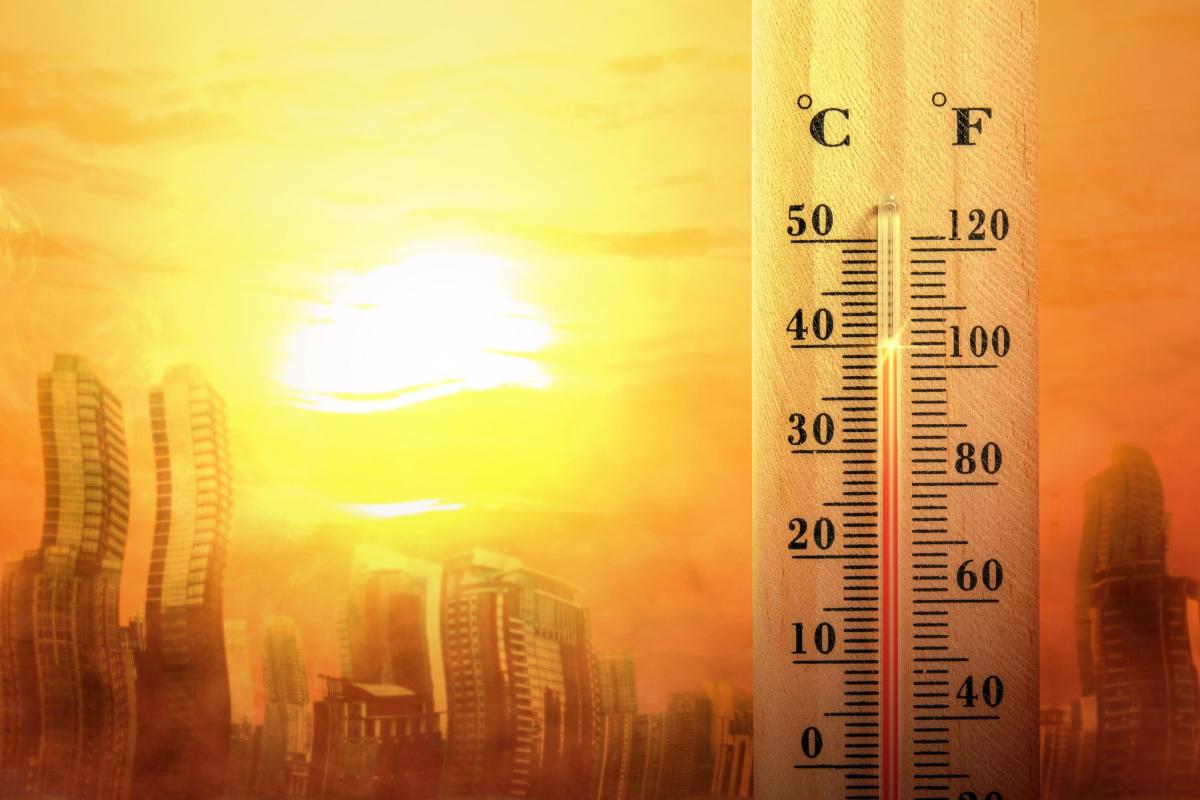
Sri Lanka’s rising heat is not caused by just one factor. There is a combination of natural climate patterns and long-term environmental change. Weather expert directly point out that one of the key influences is El Niño, a phenomenon that begins in the Pacific Ocean but affects weather across the globe.

During an El Niño phase, ocean waters in the central and eastern Pacific become unusually warm. This disrupts normal wind patterns and weakens the movement of moisture toward regions like South Asia. As a result, countries such as Sri Lanka often experience reduced rainfall and clearer skies, allowing more heat to build up over land.

With fewer clouds and less rain to cool the atmosphere, temperatures rise more sharply during the day. The land absorbs more solar radiation, and without regular showers to release that heat, the environment becomes increasingly dry and warm. This also leads to higher humidity levels, creating uncomfortable “feels-like” temperatures that can be more intense than the actual recorded heat.

In addition, shifting air circulation during El Niño limits cloud formation, further intensifying heat conditions across the island.

However, El Niño alone does not fully explain the increasing severity of heat in Sri Lanka.

The broader impact of Climate Change plays a crucial role. Over the years, global temperatures have steadily risen due to human activities such as burning fossil fuels and deforestation. This long-term warming means that when natural events like El Niño occur, their effects are amplified. What might once have been a slightly warmer season now turns into extreme heat waves, with temperatures rising above normal levels and lasting longer than before.

Thus, it is safe to say that El Niño acts as a short-term trigger that disrupts weather patterns, while climate change serves as the underlying force that intensifies these disruptions. Together, they create the extreme heat conditions currently being experienced in Sri Lanka, highlighting the need to understand both natural and human-driven causes behind changing climate patterns.

Sources: https://www.ft.lk/columns/Sri-Lanka-s-rising-heat-Is-El-Niño-the-real-cause/4-790439

Related Reads:

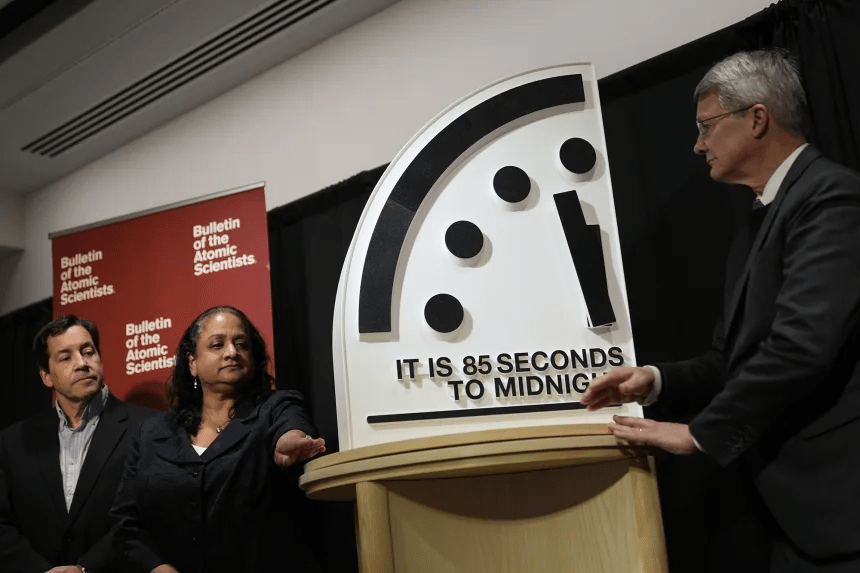
Doomsday Clock 2026: What the “85 Seconds from Midnight” Really Means for the World

The Doomsday Clock has been set to 85 seconds to midnight which is the closest it’s ever been since it was introduced in 1947, signaling rising global risks and existential threats.

Let’s get into simple terms. The Doomsday Clock isn’t a countdown timer in the usual sense because it doesn’t tick down in real time like the usual clocks do and it doesn’t precisely predict the moment the world will end. But when scientists say we are 85 seconds to midnight, it is hard not to pause and feel uneasy.

What does the midnight represent? Midnight in this case represents global catastrophe or a point where human-made threats like war, climate collapse, technology and pandemics overwhelm our entire abilities to control them. What’s more concerning is that being this close has never happened before. According to the scientists behind the Doomsday Clock, we are closer to disaster than any point in modern history.

This 85 seconds is symbolic and not literal. It doesn’t mean that the world ends in 85 seconds; rather it represents how compressed the margin for error has become. In simple terms, we no longer have the luxury of time to reverse our mistakes. We had time before, but now, we don’t anymore.

One reason the clock moved closer this year, 2026, is because, as experts have pointed out, a dangerous mix of problems is occurring all at once. This is indeed true because today, nuclear tensions remain as high as ever (especially with diplomatic trust becoming more fragile), climate change is advancing rapidly, biological risks including pandemics remain a real threat almost every day and international cooperation is weakening, particularly when it is needed the most.

These not only say that individually, these risks are serious but also together, they amplify each other.

This clock is not saying, “it’s over.” But it’s definitely saying, “this is the moment to act.” The closer the clock gets to midnight, the louder the warning becomes. The scientists state that it is possible to move the clock back but it solely depends on human choice rather than fate.

We may not know how soon things could unravel but one thing is sure now: the time to fix what’s broken is now, not later.

Sources: Doomsday Clock 2026: Scientists set new time

Want to find out how technology has rewritten childhood? Read: