AcadoraLife is a space for conscious living, where wellness, self-awareness, and everyday habits come together to support a healthier body, calmer mind, and balanced life
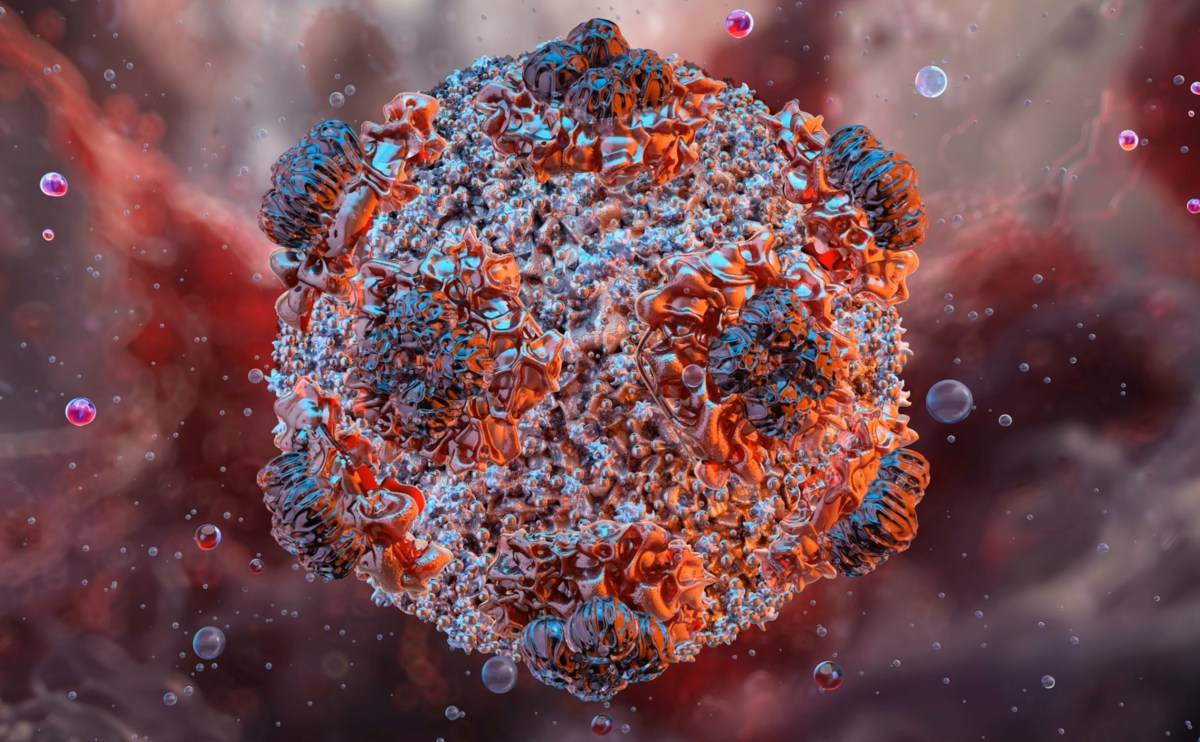
What may begin as an ordinary fever or seasonal flu can rapidly become a serious medical emergency when caused by hantavirus. Doctors explain that infected individuals often first experience body aches, fatigue, headaches, nausea and mild fever, making the illness easy to mistake for a common viral infection.
However, within a few days, some patients develop severe breathing difficulties as the virus begins damaging the lungs.
The most dangerous aspect of hantavirus infection is that the early symptoms can seem so deceptive mild
Dr. Arjun Khanna, HOD, Pulmonology Medicine, Amrita Hospital
Hantavirus is mainly spread through contact with infected urine, saliva or droppings, especially in dusty, poorly ventilated and rodent-infested areas such as storerooms, barns, warehouses or abandoned buildings. Health experts stress that early diagnosis is critical because there is currently no specific cure for the infection.
What makes the disease medically concerning is that hantavirus does not attack the lungs like regular pneumonia does. It attacks the tiny blood vessels called endothelial cells1 inside the lungs. This creates overly leaky blood vessels that cause fluid to leak into the air sacs responsible for oxygen exchange, a dangerous condition known as pulmonary edema.
As oxygen levels fall, patients may suddenly experience chest tightness, rapid heartbeat, blue lips, and extreme shortness of breath. Medical experts warn that this rapid deterioration can happen within hours, often requiring intensive care and ventilator support.
Currently, there is no specific antiviral treatment available for hantavirus infections and treatment mainly focuses on early diagnosis, oxygen therapy, intensive care support and mechanical ventilation in critical cases.
Pulmonologists also warn that flu-like symptoms followed by sudden breathing difficulties after possible exposure to rodents should never be ignored.
Preventive measures such as controlling rodents, ventilating enclosed spaces, and wearing masks and gloves during cleaning can significantly reduce the risk of exposure.
Endothelial cells are specialized, flat cells that create a single-cell-thick inner layer (the endothelium) of blood vessels, lymphatic vessels, and the heart. They function as a dynamic, selectively permeable barrier between blood and surrounding tissues, playing an essential role in cardiovascular health.↩︎
Sri Lanka is hosting Sharks International 2026, one of the world’s leading conferences dedicated to shark research and marine conservation. The global event, taking place from the 4th to 8th May 2026 in Colombo, brings together scientists, conservationists, policymakers and marine enthusiasts from around the world.
As apex predators, sharks help regulate the populations of other marine species, ensuring the stability of ocean life. However, today, shark populations are under threat due to practices like overfising, habitat destruction and finning.
Events like Sharks International aim to address these challenges by encouraging collaboration, sharing research and promoting sustainable solutions.
The conference is expected to benefit the country in multiple ways. Beyond scientific discussions and research, it will provide opportunities for education, tourism and international partnerships and the participants will gain valuable exposure to global expertise.
Thus, for Sri Lanka, Sharks International 2026 is more than just an event. It is an opportunity to learn, grow and contribute to a global mission of preserving marine life for future generations.
Self-control isn’t just about “being strong.” Psychologists say it’s more about using smart strategies. Research shows that people who succeed at self-control don’t simply resist temptation; they avoid or reshape it. For example, instead of fighting distractions, they change their environment like removing temptations or distracting themselves when urges hit. Even in famous experiments like the “marshmallow test,” children who succeeded didn’t rely on willpower alone; they used simple tricks like looking away or keeping their hands busy.
So let’s look at some smart psychological tricks that make good choices easier.
1. Change Your Environment
Instead of depending on willpower, make your surroundings work for you. If distractions or temptations aren’t around, you won’t have to resist them.
For example, keeping your phone out of reach while studying or not buying junk food reduces the chances of giving in.
Good self-control often starts with smart setup.
2. Use Distraction
When you feel a strong urge, don’t fight it directly. Shift your attention. Do something else like going for a walk, listening to music or starting a quick task.
Cravings usually pass if you don’t focus on them, so distraction helps you “wait out” the temptation.
3. Build Small Habits
Self-control grows with practice. Start with small, manageable actions like following a routine, finishing daily tasks, or setting tiny goals. Over time, these build discipline naturally, making it easier to stay consistent without feeling overwhelmed.
4. Manage Your Willpower
Willpower isn’t unlimited. It gets tired. If you make too many decisions or resist too many things in a day, you’re more likely to give in later.
That’s why planning ahead, simplifying choices, and creating routines can help you save mental energy and stay in control.
Don’t just read and forget. Save this, write it down or keep it somewhere you’ll see it often. The more you remind yourself, the more naturally these habits will stick, helping you stay in control and make better choices every day.
Dr. Dharshi Jayasekera is one of the well-known naturapathic practitioners in Sri Lanka and her practice integrates Ayurveda, conscious breathing, acupuncture and yoga, all rooted in her belief that true healing begins with self-awareness.
Dr. Dharshi’s journey into healing was never conventional. In her early years, she pursued a career as a primary teacher, teaching children between the ages 8 and 12. When we asked how she knew that she had the healing abilities, she reflected on how people often felt their pain ease through her therapeutic touch. She clarified that it was not something mystical or “possessed”, rather, it was about understanding the body, creating awareness and applying precise therapeutic touch to the right areas to help the pain ease naturally.
When Life Had Other Plans for Her
During her time in education, she was diagnosed with rheumatoid arthritis affecting her hip joint and making it extremely painful to walk or even sit for long periods. At the same time, she was facing other health complications, including thalassemia and womb-related issues. She recalled that Western Medicine offered little relief and doctors were unable to provide a long-term solution to her condition at the time.
No one, at the time, could have imagined that these painful health struggles would become the very turning point that guided her toward her true calling.
Dr. Dharshi explained to us that during this difficult period of her life, a friend introduced her to meditation. At the time, Dr. Dharshi was a devout Christian and had even spent 8 years as a “Servant of God” before becoming a teacher. Therefore, meditation was unfamiliar territory for her. Yet, her years in religious life had already made her powerful, particularly with the practice of praying deeply for others. But then, when she realized that praying for the well-being of others alone does not satisfy her salvation to find herself, she started her journey into meditation.
Her Journey from Faith to Inner Awakening
When she was introduced to meditation, her journey deepened. She travelled to India and completed a 10-day Vipassana meditation program at Igatpur, Mumbai. There, she learned discipline, self-observation and a fundamental truth: meditation has nothing to do with the outside world and it is entirely an inward journey.
It was also during this time that she was introduced to yoga; something she had never encountered/heard before. In 2007, yoga was still not widely discussed in her circles but she later had the rare opportunity to learn directly under Sadhguru at the Isha Foundation, India, completing an intensive 21-day program that included strict yogic practices and a vegetarian discipline.
What she experienced during this period was transformative. She recalls witnessing her body heal the pain that once restricted her from any movement. For the first time in years, she felt completely free within her own body through what she had been learning.
Returning to Sri Lanka, she began teaching yoga. For her, yoga was not just physical exercise; it was a science of calming the body, disciplining the mind, and sharpening concentration. Curious about her own transformation, she pursued further studies in yoga therapy and naturopathy at S-VYASA University, Bengaluru.
While studying in Bengaluru, she was learning under the guidance of Shri Shri Ravishankar. There, she refined her Pranayama techniques and with every lesson, every retreat, she felt her life unfolding in a “new form”, which is clearer, lighter and more purposeful.
Her Journey Did Not Stop There
She immersed herself in Pranayama (conscious breathing techniques), recalling her guru’s words: “If you don’t breathe properly and connect with your breathing, you’re disconnected from life itself.” This realization led her to deepen her practice in Anapana meditation, a form of breath awareness.
She also completed more than fifteen 10-day Vipassana retreats, each time reconnecting more deeply with herself. And she believes that everything required for holistic healing, including mind, body and spirit is interconnected through conscious breathing.
In 2013, she came back to Sri Lanka and started teaching Yoga as a Yoga instructor and today, many of her earliest yoga students remain with her. These individuals who began their journey years ago as young students are now in their 70s and 80s.
Remarkably, many of them live without any chronic pain and without dependency on medication. They maintain impressive physical flexibility and mental clarity as well.
Healing With Awareness: Yoga, Breath, and the Art of Pulse Diagnosis
When Dr. Dharshi decided to formally practice naturopathy, she faced a major challenge: Sri Lanka did not yet have a licensing system for the field. Determined to pursue her calling, she enrolled in a degree in Ayurveda at ITCM in Gampaha to get the certificates necessary to obtain the official license. She expanded her skills by learning cupping and acupuncture under Dr. Tennakoon from the Colombo Ayurvedic Hospital.
Though she is trained in multiple modalities, she highlighted that her mainstream practice focuses on Yoga, breathing techniques, acupuncture and Ayurveda, particularly in treating heart patients.
“There are many people who were advised to undergo heart surgery by doctors,” she shared, “they come to me and through breathing techniques, I have helped them release heart blockages naturally.”
Dr. Dharshi also possesses an extraordinary ability: pulse diagnosis. With no formal training, she accurately reads a patient’s pulse, intuitively determines where the problem lies in their body and advices how to heal it. When doing so, she clarifies that this is not a supernatural power or possession. Her practice is rooted in self-awareness, meditation and breathing, while she maintains deep respect for all religions equally.
“I believe in Dhamma and I strive to discipline myself according to Seela (moral conduct). This discipline extends to my patients when they come to me. Regardless of their occupation, I become their servant. I touch each of them with respect, love, empathy and focus to the extent that it allows me to truly feel what they are experiencing,” she explained.
One favor she asks from everyone reading this article, ” If you have a tree at home, start loving that tree loudly and dearly and whenever you are tensed or your health struggles seem to overpower you, hug that tree. The relief you’ll feel is unimaginable and inexplicable. You will heal yourself through the love you and your tree develop towards each other.”
For Dr. Dharshi, healing was never about miracles. It was about awareness, discipline, breath and reconnecting to the intelligence of the body.
She conducts group healing sessions, travelling to small villages to teach topics such as pelvic awareness. She emphasizes practical education and is always open to discussions.
For those interested in learning from her or arranging a session, she warmly invites you to contact her directly to explore how her teachings and therapies can support your well-being.
You walk into a room and immediately feel smaller than everyone else. You scroll through social media and think, They’re ahead. I’m behind. You hesitate to speak because you’re scared someone might expose what you don’t know.
That quiet voice saying “You’re not good enough” can be exhausting.
And here’s the truth: even high-achieving students, graduates, and professionals struggle with this feeling. It doesn’t mean you lack ability. It often means you’ve tied your worth to comparison. Confidence isn’t something you’re born with. It’s something you build, especially when you feel you don’t deserve it.
Here’s how to start.
1. Separate Your Worth from Your Performance
Many of us grew up believing our value equals our results, exam grades, university admissions, job titles. If you didn’t get into a “top” university, or if you’re still figuring things out while others seem settled, it can feel like proof that you’re behind. But performance changes. Worth doesn’t.
You can fail an exam and still be intelligent. You can struggle socially and still be capable and you can feel lost and still be worthy. Confidence begins when you stop treating mistakes as identity.
Instead of saying, “I failed. I’m useless”, shift to “I failed. I need a different strategy.”
That small mental change protects your self-belief.
2. Shrink the Comparison Circle
Comparison destroys confidence faster than failure. Scrolling LinkedIn and seeing someone your age working abroad. Watching a friend launch a startup. Hearing about someone getting engaged, promoted or migrating.
But you are comparing your behind-the-scenes to their highlight reel. Your journey is influenced by your environment, finances, opportunities, family expectations, and timing. No two starting points are the same.
Try this exercise: Compare yourself only to who you were 6 months ago.
Are you thinking differently?
Handling stress better?
Learning new skills?
Growth is quieter than success but it matters more.
3. Build Evidence, Not Affirmations
Telling yourself “I’m confident” rarely works when you don’t believe it. Confidence grows from evidence.
If you think “I’m bad at speaking,” create small proof that you’re improving:
Speak once in a meeting.
Record yourself explaining a topic.
Write one thoughtful LinkedIn post.
If you think “I’m not smart enough”, create proof:
Finish one online course.
Read one challenging book.
Learn one new skill.
Confidence is built from repeated small wins, not motivational quotes.
4. Stop Waiting to Feel Ready
Here’s something no one tells you: Confident people often feel nervous too. They just act anyway. If you wait to feel fully ready before applying for a job, speaking in class, or starting something new, you’ll wait forever.
Action creates confidence. Not the other way around. Apply even if you meet 70% of the qualifications. Speak even if your voice shakes. Start even if your plan isn’t perfect.
Each time you survive discomfort, your brain learns: “I can handle this.” That’s real confidence.
5. Change Your Inner Language
The way you talk to yourself shapes your identity. Notice your internal dialogue.
If you say:
“I always mess up.”
“I’m awkward.”
“I’m not leadership material.”
Your brain starts believing this repetition.
Instead, try realistic but empowering language like
“I’m still learning.”
“I handled that better than last time.”
“I can improve with practice.”
You don’t need extreme positivity. You need balanced self-talk.
6. Surround Yourself with Growth, Not Judgment
Some environments shrink you. If you’re constantly around people who mock mistakes, show off, or compete aggressively, your confidence will drop. Seek environments that encourage learning, whether it’s a supportive friend group, a professional circle, or even online communities focused on growth. Confidence grows where effort is respected.
7. Understand This: “Not Good Enough” Is a Feeling, Not a Fact
Feelings feel true but they aren’t always facts. You may feel behind, you may feel average and you may feel invisible. But feelings change with action, perspective, and experience.
Most people who look confident once felt deeply insecure. The difference is they kept moving.
Confidence is not loud, nor it is perfection. It’s the quiet belief that: “I may not be there yet but I am capable of getting better.” If you don’t feel good enough today, that doesn’t mean you won’t become strong tomorrow. You can always start small, collect proof and act before you feel ready because confidence is built, not discovered.
Do you ever feel like everyone else is moving ahead while you are somehow falling behind? Like the clock is ticking louder for you than for everyone else? Though this can come from career milestones, relationships, financial stability, academic achievements, or personal goals, the pressure to “be somewhere” by a certain age has quietly become one of the most stressful burdens of modern life.
If you feel like you are running out of time, you are not alone. But more importantly, you may not actually be behind.
The Illusion of the Timeline
From a young age, we are subtly handed a timeline. Graduate by this age. Get a stable job by that age. Be successful before 30. Build something impressive before 40. These expectations are rarely questioned, yet they shape how we measure our worth. Social media amplifies this pressure by constantly showcasing highlight reels of other people’s achievements, making it seem as though success has a universal deadline.
The problem is that life does not operate on a fixed schedule. Timelines are social constructs, not biological truths. People grow, succeed, fail, restart, and reinvent themselves at dramatically different stages of life. Comparing your chapter three to someone else’s chapter ten creates unnecessary anxiety.
Why the Feeling Feels So Real
The sensation of “running out of time” is often rooted in fear, fear of missed opportunities, fear of regret, fear of being judged, or fear of not reaching your potential. When we constantly think about what we have not done yet, our brain shifts into threat mode. This creates urgency, stress, and self-doubt.
Ironically, this mental pressure can slow progress. Instead of focusing on meaningful action, we become overwhelmed by the gap between where we are and where we think we should be. The more we panic about time, the less effectively we use it.
Productivity Is Not the Same as Purpose
Another reason this feeling persists is the confusion between busyness and progress. Being constantly busy can create the illusion that we are moving forward, but not all activity leads to growth. When we chase productivity without clarity, we exhaust ourselves while still feeling behind.
True progress begins when you define what actually matters to you. Are your goals genuinely yours, or are they shaped by external expectations? When your direction is aligned with your values, the pressure of time begins to lose its intensity.
You Are Not Late; You Are Learning
Every phase of life teaches something essential. Periods of uncertainty build resilience. Detours develop perspective. Slow seasons create clarity. What may feel like “lost time” often becomes foundational experience later.
Many successful individuals reached their breakthroughs later than society would consider ideal. Some changed careers in their 40s or 50s. Others discovered their purpose after years of confusion. Growth is rarely linear, and progress is rarely visible in real time.
Reclaim Your Sense of Time
Instead of asking, “Am I running out of time?” try asking, “What can I do with the time I have today?” Shifting from fear to intention changes everything.
Start by narrowing your focus. You do not need to fix your entire life this year. You need to move one meaningful step forward today. When you concentrate on small, consistent actions rather than distant outcomes, time begins to feel like an ally instead of an enemy.
Reduce comparison where possible. Curate your digital environment. Spend more time measuring yourself against your past version rather than someone else’s present highlight.
Most importantly, give yourself permission to grow at your own pace. Life is not a race with a universal finish line. It is a personal journey with different routes, speeds, and destinations.
Why do some couples survive explosive fights while others slowly fall apart? It’s not because they fight less. It’s not because they “found the perfect person” and it’s definitely not because they agree on everything.
According to world-renowned psychologist Dr. John Gottman, the real difference comes down to something surprisingly simple: How quickly they recover.
The Hidden Danger After an Argument
When couples argue, their bodies react as if they’re facing a real threat. Heart rate increases. Stress hormones flood the system. The nervous system shifts into fight-or-flight mode.
And the problem happens when the longer you stay in that heightened state, the harder it becomes to feel empathy, listen properly, solve problems and offer emotional repair. Your body starts treating your partner like the enemy, even if your heart knows they aren’t.
Gottman’s research found that couples who remained physiologically activated after conflict experienced steep drops in relationship satisfaction over time. It wasn’t the argument that destroyed them.
It was the lack of recovery.
The 20-Minute Reset That Changes Everything
The helpful part is couples who took just 20 minutes to calm their nervous system were able to return to the conversation regulated and emotionally available.
Twenty minutes of
Not ignoring the issue. Not suppressing feelings. Not walking away forever.
Just pausing long enough for the body to reset.
When your nervous system calms down, empathy becomes accessible again, you can actually hear what your partner is saying, repair becomes possible and connection can rebuild. So, instead of trying to win the argument, you protect the relationship.
With Valentine’s Day Around the Corner…
Everyone talks about flowers, gifts, and romantic dinners. But the healthiest relationships aren’t built on one perfect day.
They’re built on moments like choosing to pause, choosing to regulate and choosing to repair.
So instead of proving your point this Valentine’s, try proving your commitment and the next time an argument escalates, say: “Let’s take 20 minutes and come back to this.”
That one sentence might be more powerful than any grand gesture.
Love is not all about grand gestures and sweet talks. It’s about learning how to return to each other after fights and choose to repair what just got broken. The strongest couples aren’t the ones who never fight. They’re the ones who know how to reset.
Struggling with fatigue, muscle cramps, or stress in the hustle of Colombo or Kandy life? Magnesium-rich local snacks can recharge you naturally, using everyday Sri Lankan ingredients straight from markets like Pettah or roadside vendors.
Magnesium supports nerve function, eases tension from long commutes, and fights deficiencies common in rice-heavy Sri Lankan diets. Adults need about 300-400mg daily; our picks deliver 50-150mg per serving. Grab these for quick boosts during festivals or work breaks.
Top 8 Local Magnesium Snacks
Pumpkin Seeds : Roast a handful (150mg magnesium/oz) with chili for a spicy crunch, perfect with tea.
Cashews : Fresh from Matale farms (80mg/oz), snack raw or in trail mix with local dried mango.
Mango with Chili: Slice ripe Ambul (75mg/cup) and sprinkle seeni sambol, sweet heat that beats imported bars.
Roasted Chickpeas (Kadala): Spice with curry leaves (80mg/cup), a street-food staple for sustained energy.
Coconut Sambol: Grated pol (50mg/serving) mixed with maldive fish, pairs with roti for 100mg boost.
Spinach Mallum: Quick wilted kankun (80mg/cup) with coconut, ideal lunchbox filler from home gardens.
Peanuts : Boiled or roasted (60mg/oz), toss with pol sambol for a budget-friendly hit.
Banana : Kolikuttu variety (30mg each) smeared with peanut butter, ubiquitous and muscle-soothing.
Regular intake helps regulate blood sugar, reducing cravings that derail diets. It eases PMS symptoms like bloating and mood swings by balancing hormones. Athletes benefit from faster recovery as magnesium aids protein synthesis and cuts inflammation. Long-term, it lowers risks of migraines, hypertension, and osteoporosis through better calcium absorption.
Start your day with almonds in oatmeal (adds 75mg). Mid-morning, grab edamame pods (100mg). Afternoon slump? Dark chocolate and banana (95mg total). Evening wind-down: Avocado half (45mg) curbs late-night munchies. Track intake via apps to hit 300mg+ effortlessly—combine two snacks daily for optimal results.
You can also pair with vitamin D sources like sunlight or fortified milk for better absorption. Hydrate well, as magnesium works with electrolytes. Those with kidney issues should consult doctors before ramping up intake. Experiment with flavors like cinnamon on seeds or chili on chickpeas can also keep it exciting.
Fuel your body right and notice sharper focus, calmer nerves, and vibrant energy within days.
Glucose, a form of sugar, isn’t just something you eat or avoid on a diet plan. It’s literally the brain’s primary fuel source, accounting for about half of the body’s total sugar use every day. That’s because the brain is an incredibly energy-hungry organ: even though it’s only a fraction of your body’s weight, it uses far more glucose than any other part of you.
Sugar in the form of glucose powers nearly all your brain’s core functions, from thinking and memory to learning and focus. Without enough glucose, brain cells struggle to communicate, and neurotransmitters (the brain’s chemical messengers) can’t be produced efficiently. That’s why low blood sugar can lead to confusion, poor attention, and cognitive problems.
Here’s where things take a surprising turn: while the brain needs sugar, too much of it can quietly harm brain health. Research using animal models has linked excess glucose and fructose intake to aging of brain cells and memory impairments.
In people with chronic high blood sugar, especially those with diabetes, the risks are even greater. Long-term elevated glucose levels have been associated with:
Brain atrophy (shrinking)
Disrupted communication between brain regions
Restricted blood flow due to small-vessel issues
Increased risk of cognitive decline and even vascular dementia
These changes don’t happen overnight, but they accumulate over years of poor glucose control.
Scientists aren’t just sounding the alarm; they’re actively searching for solutions. One promising approach being studied is intranasal insulin, a therapy that delivers insulin directly to the brain. Early pilot studies suggest it might improve memory and spatial learning in people with type 2 diabetes by helping the brain better use glucose.
With news of the Nipah virus making headlines in the region, it’s natural for people to feel uneasy. But Sri Lanka’s Ministry of Health states that there’s no reason to panic and that preparations are already in place.
According to health authorities, Sri Lanka has been closely monitoring the situation and strengthening early warning systems to detect any possible cases. Surveillance measures, hospital readiness, and coordination with international health bodies are all part of the plan to stay ahead of any potential threat.
In simple terms: Sri Lanka is not waiting for a problem to happen but they are preparing in advance.
Health officials emphasized that systems are already in place to identify symptoms early and respond quickly if needed. This includes trained medical staff, reporting mechanisms, and preventive protocols designed to keep both patients and healthcare workers safe.
At the same time, the Ministry urged the public to stay calm and avoid unnecessary fear. Instead, they recommend sticking to basic hygiene practices, paying attention to official health updates, and not spreading unverified information on social media.
While Nipah is a serious virus, experts point out that early detection and preparedness make a big difference. Sri Lanka’s experience in handling past health challenges has helped build a response system that can act fast when required.









 Acadora