Understanding Sexual Violence: The Justice System and Gaps in Sri Lanka’s Sex Crime Laws

Recent news circulating around a high-ranking Buddhist monk, Venerable Pallegama Hemarathana Thero, reveals a horrifying yet undeniable truth about sexual abuse, especially in a society that holds tremendous respect for elders and religion. This case, indeed, should be addressed through a more critical lens. In addition, shouldn’t we question whether parents, schools, religious institutes and the government are doing enough to provide comprehensive awareness, education and protection for vulnerable individuals?

Shouldn’t people, as a community, be worried that if monks and parents in today’s world can act in such cruel ways, who cannot and who will not?
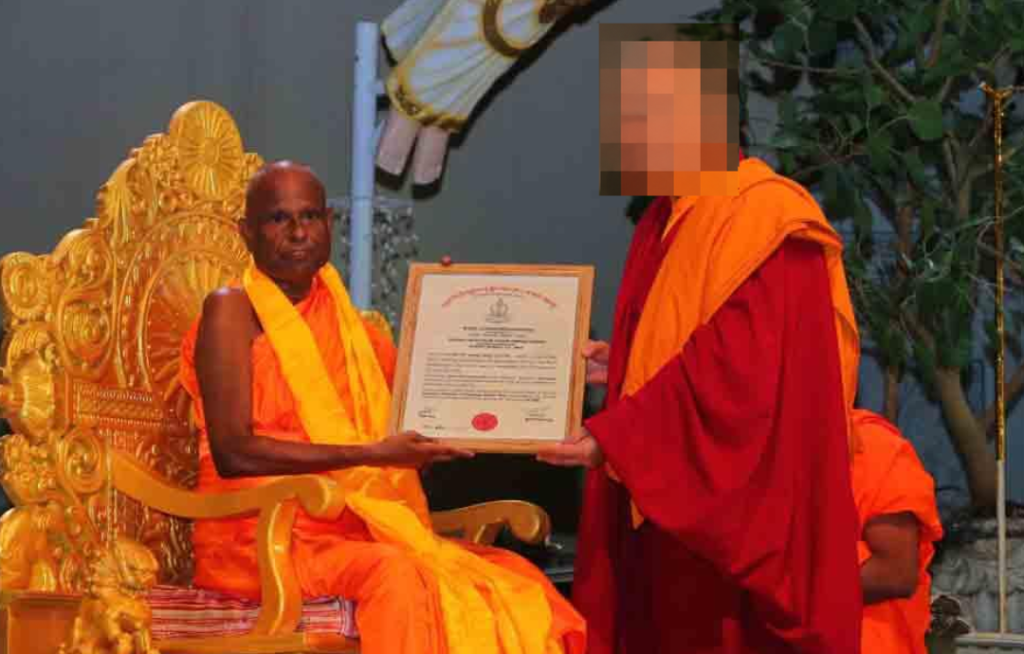
Ven. Pallegama Hemarathana Thero, a 71-year-old chief priest, was arrested on May 9, 2026, for allegedly sexually assaulting a 15-year-old girl. The alleged victim’s mother was accused of facilitating and abetting the abuse and was therefore also arrested and remanded in custody.

But, isn’t this case a hot topic that causes pain today because a Thero, a mother and her daughter were involved in it?

This child represents hundreds of children, women and men who are exposed to sexual violence every single day in silence, confusion and fear. Behind all these headlines, there is a much larger reality that victims struggle to speak about and the public fail to fully understand.

This raises a few urgent questions:

Are we truly educated enough about sexual violence?

How to identify it?

When to act against it?

Where the law stands when seeking justice?

Because as widespread as it is, sexual abuse cannot be defined in one sentence, nor can it be described by one act alone. Therefore, to be literate about sexual abuse is to be cautious and aware of any form of violent or non-consensual contact.

Therefore, with the aim of educating the pubic, this article explores the different forms of sexual abuse, the realities of victims when reporting abuse and the gaps and controversies that exist within Sri Lankan law and social awareness.

A recent 2026 survey done by the National Child Protection Authority (NCPA) revealed 144 reported cases related to child sexual abuse within just the first three months of the year. However, this only uncovers one side of a much darker reality because may cases still go unreported due to fear, shame, social stigma and lack of evidence. Sometimes, victims do not realize that what they went through was abuse.

Type of AbuseJanuary FebruaryMarch
Grave Sexual Abuse377
Sexual Exploitation100
Rape 81620
Sexual Harassment202441
Taken from Child Abuse and Other child related complaints reported to NCPA by Districts by Category – (Year 2026.01.01 to 2026.03.31)

What do we really know about sexual violence?

According to the law, sexual abuse refers to any non-consensual sexual contact or behavior committed by a person or group of people. Terms such as rape, sexual assault, child sexual abuse, incest, sexual harassment and domestic violence are widely-recognized in society but many people remain unaware of the actions, behaviors and boundaries that define these crimes.

Today, society recognize sexual violence only through these labels because they lack the literacy to identify abusive bahiavior happening around them.

Now, why are we, as educated individuals, still unaware of the many different forms and realities of sexual abuse? Shouldn’t we address the act that are rarely spoken about or are trivialized to the point where society no longer even considers them abuse?

Therefore, it is important to educate ourselves about the different forms of sexual violence, the laws that exist surrounding them and the controversies and gaps that continue to exist within Sri Lankan legislation.

Rape

Rape is often defined as vaginal, oral or anal sex against a person’s will or without their consent.

The distinction between consensual sex and rape is simple: if a person says “No” and the other person still forces sexual activity upon them, it is rape. However, in Sri Lankan law, this distinction has become complicated, especially within the ranges of marriage.

Controversy I: Rape cannot happen within the context of marriage

According to the Sri Lankan Penal Code, it does not amount to “rape” if a husband has forceful sexual intercourse with his wife without her consent unless the couple is “judicially separated”. In this context of marriage, the notion of consent has become largely absent. Thus, this creates the presumption that the consent of the wife is irrelevant in regards of sexual intercourse within marriage.

Under the law, a perpetrator can still commit “rape” even with the victim’s consent but only if the consent is obtained unlawfully, through coercion, fear or deception. If the perpetrator is not her husband, it is “rape”, but if it is her husband, it is not.

Statutory Rape

Statutory rape is a criminal offense defined as sexual intercourse or contact with a person below the legal age of consent which is 16 years in Sri Lanka. It is rape regardless of whether the minor consented and participated in the contact willingly because according to the law, the minor is incapable of consenting to sexual activity.

Controversy II: Men cannot legally be recognized as rape victims under Sri Lankan law

While we can argue that forceful sex is still rape within marriage, it is also pivotal to examine another major gap within Sri Lankan law: a man cannot be legally recognized as a rape victim in the same way a woman can.

Gender-Biased Wordings

The law repeatedly phrases words like “a man” and “the male” to represent the perpetrator and “the woman” and “the female” to represent the victims. This male offender and female victim model further creates problems such as female offenders becoming legally invisible, male victims getting less recognized and LGBTQ victims not fitting to any law.

Within this law, the man is primarily identified as the perpetrator of sexual violence whereas a woman is always recognized as the victim. There is no legal offense for a woman if she conducts forceful sexual intercourse upon a man.

Controversy III: Gay sex or man forcing sexual intercourse upon another man can lead both parties to get criminalized

If a man forces sexual intercourse upon a man, the act is not prosecuted under rape laws. Instead, it falls under what the law describes as “Unnatural Carnal Offenses.” This criminalizes both the perpetrator and the victim, rather than recognizing the victim as a survivor of sexual abuse. There is no punishment if the victim faced a non-consensual contact with another man nor a woman.

Consensual same-sex relationships between two adults are labelled as “unnatural” and how it is also criminalized reflects the fact that this legal framework does not resonate with modern human rights and bodily autonomy.

This raises serious concers regarding consent, gender neutrality and equal legal protection for victims of sexual violence regardless of gender.

Sexual Assault

Sexual Assault is “legally” defined as sexual contact or touching occurring in a non-consensual manner. Sexual contact means any touching of the sexual or intimate parts of the body.

Sexual Harassment

Sexual Harassment refers to any unwanted requests for favors, verbal remarks, gestures or physical conduct that make the individual uncomfortable or intimidated. This includes many of the other variants of sexual violence including sexual assault and rape.

Among the many spaces where sexual harassment occurs, streets, public transports, workplaces and educational settings are often recognized as the hunting grounds where perpetrators prey on victims.

A 2011 survey conducted by the Legal Aid Commission found that 70% of women aged between 15 and 45 had experienced sexual harassment while using public transport. These women stated that they were reluctant to press charges and the conductors were unwilling to provide sufficient evidence against perpetrators in court proceedings.

The survey respondents reported experiencing the following forms of harassment:

Abusive ExperiencePercentage
Deliberate touching of any part of the body74%
Unwanted crowding of personal space
eg: excessive closeness
60%
Improper seating etiquette 52.25%
Rubbing genitalia against another’s body 52%
Asking for contact number 48.72%
Trampling on foot deliberately 48.44%
Fixated gaze on body parts46.28%
Suggestive/lascivious looks45.56%
Source: Sexual and Gender-based Violence in Sri Lanka: An analysis of the available literature & annotated bibliography

The respondents described their immediate emotional reactions as feeling “scared” (48%), “degraded and demeaned” (45%), “humiliated and embarrassed” (68%) and “angry” (74%).

Somehow, the law punishes such acts with imprisonment of either description for a term which may extend to five years or with a fine or with both and the offender may also be ordered to pay compensation of an amount determined by court to the person in respect of whom the offence was committed for the injuries caused to such person.

But has this ever truly been implemented effectively? Or, if these laws were properly enforced, would these women still feel discouraged from reporting such incidents?

Controversy IV: Reporting later makes no difference

A controversial reality about this is the issue of time lapse. Usually, when sexual violence occurred a long time ago, reporting it makes little to no difference legally. So, if a victim hesitated to report the incident at the time it happened because they felt afraid or guilty and later changed their mind after supposedly becoming more educated or emotionally prepared to speak up, the evidence may already have disappeared and therefore, reporting later makes no change.

Tragically, many victims and survivors of sexual harassment are often dismissed by society. They are told that they are “overthinking,” “being unreasonable,” “too sensitive” or that they “can’t take a joke.” Such reactions both trivialise and normalise abusive behavior while discouraging the victims from speaking up and seeking justice.

Stealthing

Stealthing is a form of rape that occurs when two people agree to use protection during sexual activity but one person either removes the protection (usually a condom) or lies about using one without the other person’s consent. Stealthing is considered as serious as rape and under English and Welsh law, it can carry a maximum sentence of life in prison. However, in Sri Lanka, stealthing is hardly recognized or openly addressed within the legal system.

Controversy V: Something similar to rape is unrecognisable within the Sri Lankan legal system despite its severe psychological, emotional and physical consequences on victims

Spiking

Spiking refers to the act of secretly adding alcohol, drugs, or intoxicating substances into another person’s drink or body without their knowledge or consent. Perpetrators often use spiking to weaken a victim’s awareness, memory or ability to resist, making it easier to commit sexual assault or other crimes against them.

In Sri Lanka, spiking-related sexual offenses can amount to serious criminal acts. If “a man” sexually assaults “a woman” while she is intoxicated, the law disregards any apparent consent given by “the woman” and punishes the offenders with life imprisonment.

Date Rape Drugs

“Date rape drugs” are drugs that have become known for their use by people who carry out spiking in order to rape or sexually assault someone. Some commonly known date rape drugs include Rohypnol, GHB, and GBL.

Although these terms are widely used socially and medically, they are not recognized as distinct legal categories under the law and rape and sexual assault do not associate with these as different categories.

Flashing/ exhibitionism

Flashing or exhibitionism refers to indecent exposure where a person reveals their private body parts to another person for sexual gratification or to intimidate, scare or make them feel uncomfortable.

Public awareness about flashing as a serious criminal offense increased following the viral incident involving @molsgonewild, a solo traveler from New Zealand, who recorded a “23-year-old man” asking her for sex and later exposing himself to her while she was parked on a coastal road in the Arugam Bay–Thirukkovil area on October 25.

Women and children are frequently subjected to such acts and there should be greater awareness and stronger enforcement and vocalization of punishments to encourage victims to speak when such indecency occurs.

A similar incident also involved the tourist @hugh.abroad, who shared a video of an uncomfortable encounter during his visit to Sri Lanka. In the video, viewers witnessed a woman touching the man inappropriately in ways that made him visibly uncomfortable. However, the public reaction to the incident was disheartening. Many people dismissed the tourist’s discomfort because he continued interacting with the woman and even gave her money. Seemingly, the incident was not reported as a sexual offense, possibly because the man did not press charges. Nevertheless, the incident still highlights the imbalance in how sexual violence against both men and women is perceived in society. Mae victims of harassment and assault are often trivialised, mocked or ignored instead of being treated with the same seriousness given to the female victims.

According to the Sri Lankan Penal Code, such acts can fall under offenses related to Gross Indecency between persons. Therefore, both men and women have the right to press charges against such behavior. It is important to emphasize that no one should hesitate to file complaints regardless of the circumstances because, regardless of how a victim reacts during or after the incident, the offender should still face consequences for their actions.

Incest

If close family members have sexual intercourse with each other, it is a crime called incest. It can be between:

  • A parent – child
  • A grandparent – grandchild
  • brother – sister
  • uncle/aunt – niece/nephew
  • adopted family relations too

Even if adoption or marriage paperwork have defects in them, it still can count as incest. Also, trying to commit incest is also punishable.

For many victims, especially children and vulnerable individuals, the process of seeking legal justice can be exhausting, intimidating and emotionally draining. Delays, lack of sensitivity, social stigma, and institutional barriers may further discourage survivors from continuing with legal action.

As a result, many victims choose silence over a justice system that they fear may retraumatize them rather than protect them. But, staying silent is never the answer.

You can:

  • Trust your instincts. If a comment, touch, gesture or action makes you uncomfortable, do not ignore your feelings or allow others to minimise them.

  • Speak to a trusted person as soon as possible. This could be a parent, friend, teacher, counsellor, lawyer or support organisation. Early disclosure can help preserve evidence and provide emotional support.

  • Document everything. Write down dates, times, locations, conversations, screenshots, messages, emails or any details related to the incident. Even if legal action is delayed, documentation can still support future reporting.

  • Preserve evidence whenever possible. Avoid deleting messages, photographs, recordings or clothing connected to the incident, as they may become important later.

  • Seek professional support. Therapy, counselling and survivor-support organisations can help victims process trauma, reduce self-blame and regain confidence.

  • Learn about legal rights and reporting options. Victims should be educated on workplace policies, school procedures, child protection laws and criminal reporting mechanisms available in their country.

  • Report the incident when safe and possible. Even if immediate legal action cannot guarantee punishment, reporting may still prevent the perpetrator from harming others and create an official record.

  • Build supportive communities. Friends, families, schools and workplaces should listen without judgement and avoid dismissive responses such as “you’re overreacting” or “it was just a joke.”

  • Encourage bystander intervention. People who witness harassment should safely intervene, support the victim and challenge inappropriate behaviour instead of remaining silent.

In Sri Lanka, complaints relating to sexual violence, harassment, domestic violence, child abuse, cyber exploitation and crimes against women and children can be directly reported to the Bureau for the Investigation of Abuse of Children & Women under the Sri Lanka Police.

The Bureau operates a 24-hour Public Complaint Desk that allows victims or witnesses to confidentially report incidents through:

  • Emergency Hotline: 109
  • Hotline: 011 244 4444
  • Phone : 011 2337041
  • Email: dir.cwbureau@police.gov.lk/ cwb.online@police.gov.lk

Importantly, victims can also seek help if:

  • A police station refuses to accept their complaint.
  • Proper investigations are not being conducted.
  • They are facing intimidation or negligence during the reporting process.

Seeking justice may feel frightening, exhausting, and emotionally overwhelming, but remaining silent only allows abuse to continue unchecked. Awareness, reporting, and social support remain some of the strongest tools society has against sexual violence

Countries With the Worst Work-Life Balance in 2025 (Global Ranking Explained)

Work–life balance has become one of the most important indicators of quality of life in modern societies. While some nations promote shorter working hours, paid leave and employee well-being, others still struggle with long workweeks, limited social protections, and lower happiness levels.

A global analysis conducted by Remote.com (covering the world’s top 60 economies by GDP) highlights the countries where maintaining balance between work and personal life is the most difficult.

Below is a simplified breakdown of the findings, along with how the ranking was calculated.

Countries with the Worst Work-Life Balance

Based on an index, these are the Top 10 countries/cities with the worst work–life balance:

1 Hong Kong (City of Victoria) – Overall rank: 46 | Score: 43.87
2 Philippines (Manila) – Overall rank: 41 | Score: 46.60
3 India (New Delhi) – Overall rank: 52 | Score: 41.00
4 United States (Washington, D.C.) – Overall rank: 59 | Score: 31.17
5 Kazakhstan (Nursultan) – Overall rank: 43 | Score: 44.57
6 United Arab Emirates (Abu Dhabi) – Overall rank: 44 | Score: 44.46
7 Mexico (Mexico City) – Overall rank: 45 | Score: 44.04
8 Algeria (Algiers) – Overall rank: 47 | Score: 43.63
9 Morocco (Rabat) – Overall rank: 50 | Score: 43.01
10 China (Beijing) – Overall rank: 51 | Score: 42.64

Methodology: How the Ranking Was Measured

The index is based on a composite score out of 100, combining multiple social, economic, and labor-related indicators. Instead of relying on a single factor, it evaluates nine key areas:

  • Statutory annual leave (paid vacation days + public holidays)
  • Sick leave policies and pay rates
  • Maternity leave duration and compensation
  • Average weekly working hours
  • Minimum wage levels (USD per hour)
  • Healthcare quality and accessibility
  • National happiness index
  • LGBTQ+ inclusivity and rights
  • Workplace safety and general living conditions

Each country is then ranked based on its overall performance across these indicators, reflecting how well citizens are able to balance work demands with personal well-being.

Key Insights from the Study

  • Countries with long working hours and low statutory leave consistently rank lower
  • Economic strength does not guarantee work-life balance (e.g., the United States ranks poorly despite being a top economy)
  • Nations with stronger social protections, healthcare, and leave policies tend to rank higher
  • Happiness and inclusivity are strongly linked to better work-life balance outcomes

The ranking highlights a global inequality in how work is structured. While some nations are moving toward flexible, human-centered work cultures, others continue to prioritize productivity over personal well-being.

However, countries that invest in people, not in just output, create healthier and more balanced societies.

Sources: 20 Countries With The Worst Work-Life Balance, According To Remote Global Index

From Friends to Foes: The US–Iran Rivalry that Dates Back to 1979

Rashid Khalidi, a Palestinian historian, in his 2020 article The Hundred Years’ War on Palestine: A History of Settler Colonial Conquest and Resistance, 1917-2017, argued that the British and American colonial ambitions were profoundly inspired by Zionist aspirations to rule Palestine for centuries. Accordingly, this conflict between the United States and Iran is hardly a single war. It is a long awaited and complicated struggle that is shaped by politics, ideology and various dynamics of power. These notions came into play nearly 47 years ago, making a prolonged chapter, known as “Fifty-Year War.”

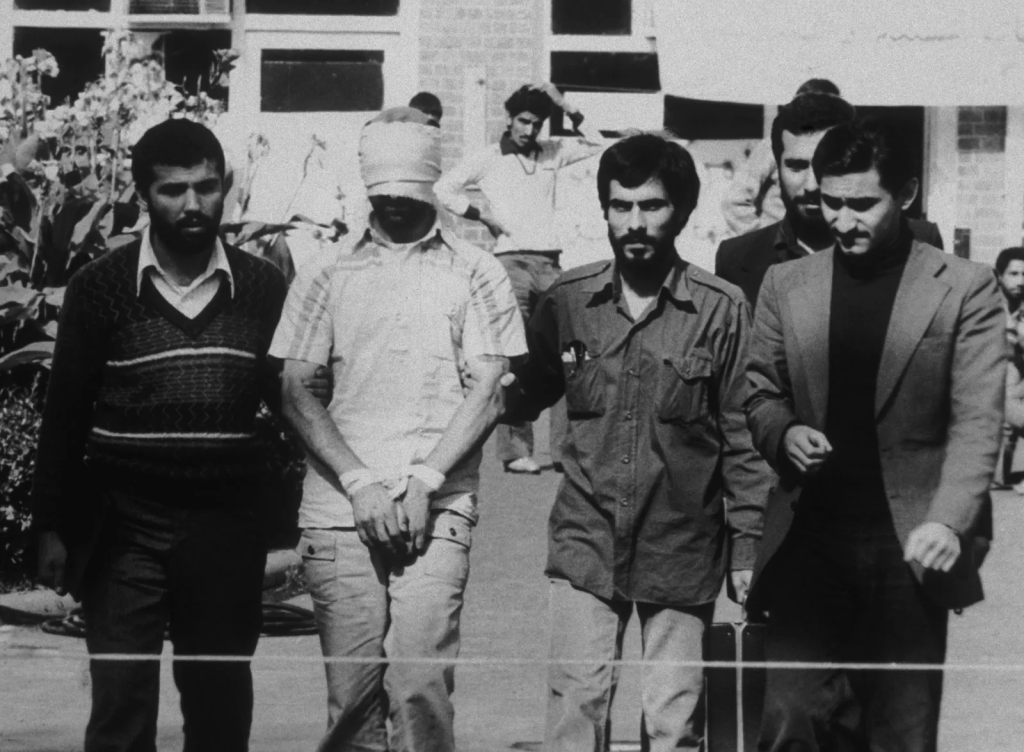
Let’s go back to 1979 when Iran’s unstable political climate started with the overthrown of one of America’s most trusted clients in the Middle East, Shah Mohammad Reza Pahlavi. Shah was described as “a ruler with dictatorial powers, a massive military and delusions of grandeur.” America ignored US diplomats who questioned this over-reliance the US had with Iran and Shah, on the other hand, silenced everyone who called for political change. This whole chapter was followed by the 1979 Islamic Revolution led by Ayatollah Ruhollah Khomeini who caused a massive shift in regional politics and ideologies, instantly transforming Iran from a key US ally to an adversary. He labelled the US the “Greater Satan” and called the seizing of the US Embassy in Tehran, severing all the diplomatic ties and creating the 1979-1981 hostage crisis. His rhetoric was entirely anti-American.

1979-1981 hostage crisis

In the same year, Iraq became another triggering point for this ever-escalating war. It began with Saddam Hussein becoming the president of Iraq where he theatrically saw both Israel and revolutionary Iran as hindrance to his ambitions towards pan-Arab leadership. He launched a “full-scale invasion” of Iran that lasted for eight years, resulting in devastating economic and societal contractions in both sides but Iraq was facing greater repercussions.

In the Iraq-Iran war, the US secretively supported Iraq, providing intelligence, chemical weapons and financial aid. They defined Khomeini’s revolutionary Iran as a great threat to regional oil stability. They also propagated Iran as a state that sponsors terrorism. This amplified the enmity between Iran and the US.

Iran had denied Israel rights to even exist since the 1979 revolution. Their motto since then was “Death to Israel.” It was at this time that Israel was considered one of the greatest allies of the US, leading Iran to despise Israel even more. Thus, the Islamic Republic was concerned that both the US and Israel brought existential threat to Iran. They, therefore backed a network of well-armed groups where they spread their ideologies and expanded influence. These groups that were collectively known as the “Axis of Resistance,” included Hezbollah (Lebanon), the Houthis (Yemen), Hamas/Palestinian Islamic Jihad (Gaza), and various militias in Iraq, with strategic state relationships with Russia.

With this expansion of power, Iran could develop a Nuclear weapons program in which they repeatedly reported that this program was solely based in peaceful purposes for its citizens. The US considered this a terrorist activity in the Middle East, yet again heightening the rivalry between them.

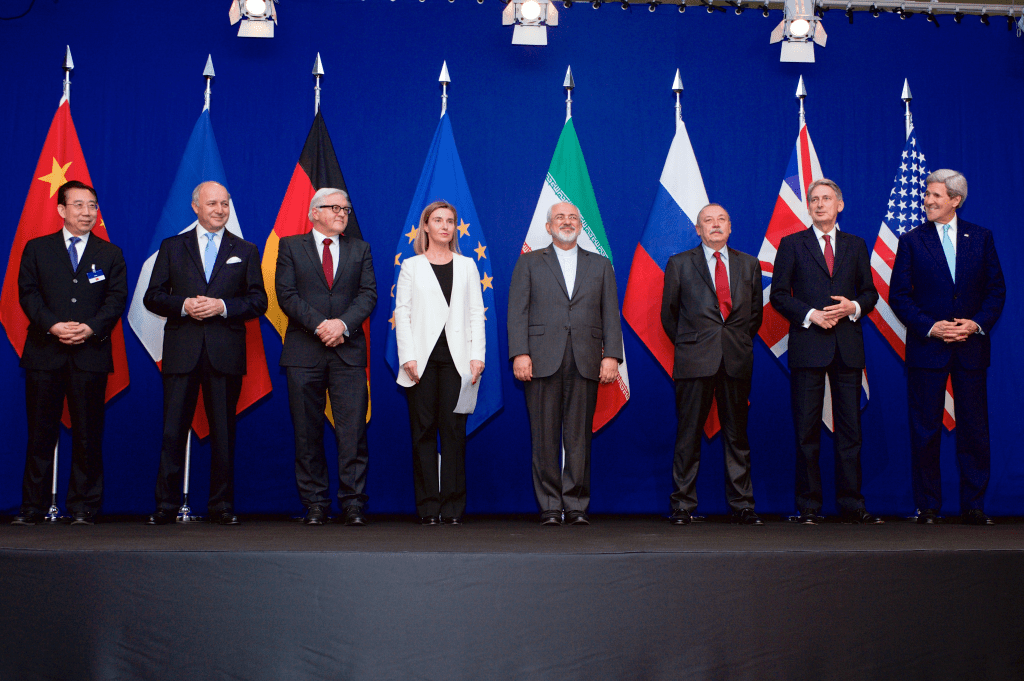
Then a breakthrough came in 2015 when Iran, along with several other world leaders including the US, signed an agreement to limit its Nuclear program. This agreement was formally know as the Joint Comprehensive Plan of Action (JCPOA). Before this, Iran had signed the Nuclear Non-Proliferation Treaty (NPT) in July 1968 and ratified it in February 1970 while accepting International Atomic Energy Agency (IAEA) inspections. Somehow this JCPOA agreement enabled reconciliation between the two nations, allowing Iran to open its facilities to more extensive international inspections in exchange for billions of dollars’ worth of sanctions relief.

Iran Nuclear Deal

This fell apart as President Trump removed the US from this agreement, stating, “we have definitive proof that this Iranian promise was a lie. Last week, Israel published intelligence documents long concealed by Iran, conclusively showing the Iranian regime and its history of pursuing nuclear weapons.” in his first presidency in 2018.

Then, in 2019, the US accused Iran of attacking oil tankers in the Gulf of Oman. In response to the accusations, Iran issued a statement, calling the US and its allies to put an end to mischievous plots and false flag operations in the region.

In 2020, Iran’s top military commander, General Qasem Soleimani, was assassinated in a U.S. drone strike. The US claimed that Soleimani was behind attacks on Americans in the region.

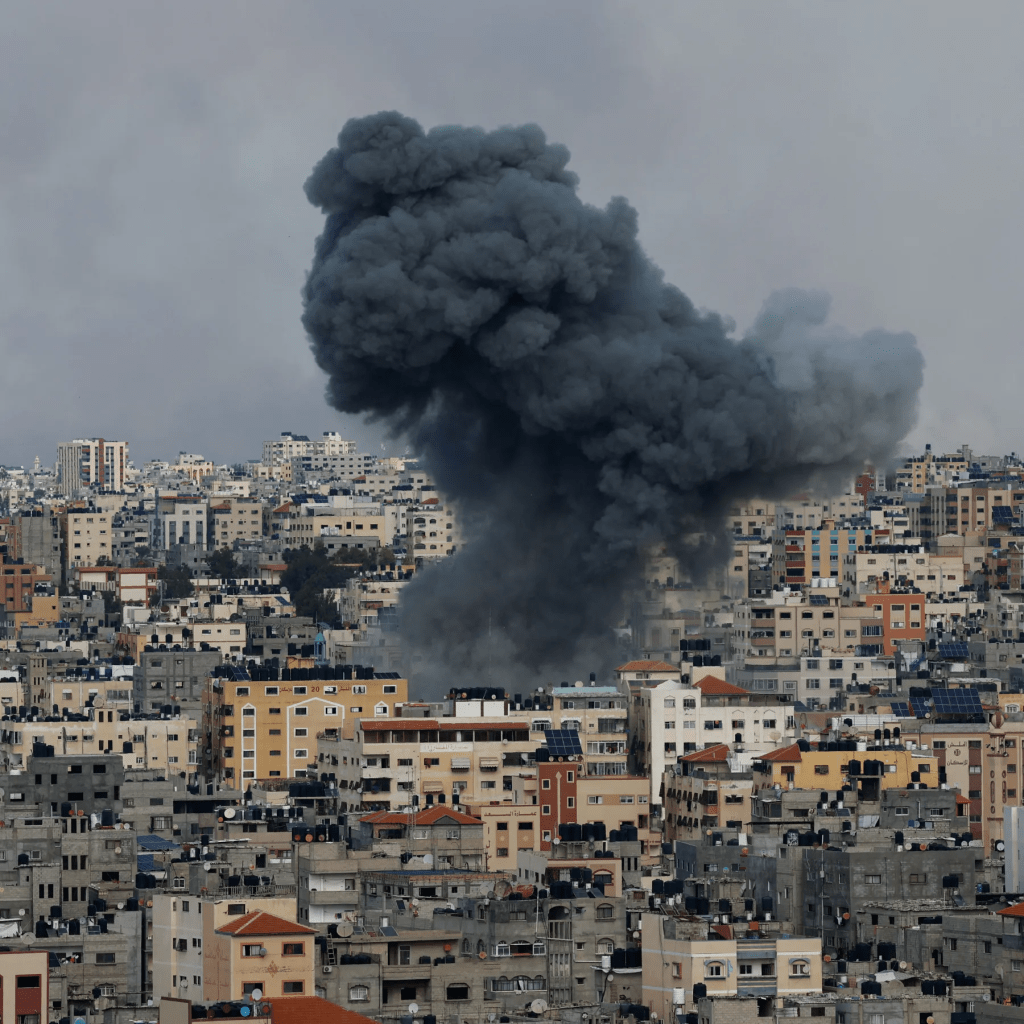
In 2023, Hamas, a long-term ally of Iran which was considered a terrorist organization by the US, launched an attack on Israel from Gaza Stripe, killing about 1,200 people and taking 251 hostages. This resulted in a massive Israel military attack in Gaza which killed tens of thousands of Palestinians. This attack left Hamas extremely defenseless. Though Iran denied any involvement in the Hamas attack on Israel, they publicly supported the actions of Hamas.

The Palestinian group, Hamas launching an attack on Israel

In June, 2025, the UN’s Nuclear watchdog said that Iran had breached its agreement on limiting the Nuclear program under the Non-Proliferation Treaty (NPT). Yet, Iran repeatedly claimed that they had never developed a Nuclear weapon.

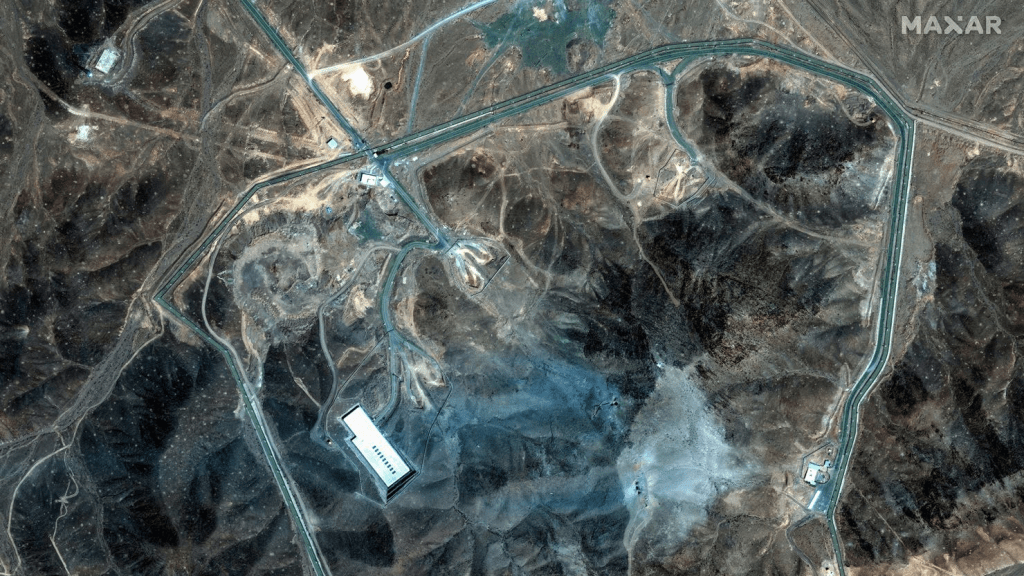
After this, Israel launched a series of strikes in Iran, resulting in a 12 day war. The US was also directly involved in the war with air strikes on Iranian Nuclear facilities.

In September 2025, the UN reimposed severe UN sanctions, following the E3‘s (France, Germany, UK) move due to Iran not following the agreed rules about nuclear activities.

What are these sanctions?

These are serious economic and political restrictions, such as:

  • Freezing Iran’s money/assets
  • Banning arms trade
  • Limiting nuclear activities
  • Blocking trade and financial dealings

After the sanctions, Iran faced economic hardship, global isolation and growing dissatisfaction among its citizens who often demanded political change in the country. They chanted slogans against the Supreme Leader Ali Khamenei yet thousands of these protesters ended up getting killed on the streets. While President Trump expressed support on these protesters and warned Iran not to act on violence, Ayatollah Khomeini, blamed the US President for the protests and deaths. It is after this Khomeini was killed on February 28, 2026, in an attack by Israel and the United States.

Iran’s severely damaged Nuclear program which was attacked by the US

In the end, the long-standing war between America and Iran has no easy solution. Though strikes may slow each side’s ambitions, they are seemingly not capable of resolving deeper political, economic and social issues within either country.

But what should not go unnoticed is that the US and Iran have been fighting with each other for decades and it is driven not only by Iran’s alleged possession of Nuclear weapons but also by broader and more complicated diplomatic, economic, cyber, political and espionage tensions between the two nations.


Will Sri Lanka’s New Anti-Drug Plan Save School Children or Just Fake It?

“Drug addicts should be referred to proper rehabilitation centers. Special attention must be paid to the environment around schools and the intervention of the Sri Lanka Police in this regard is extremely important.”

This statement was made during a meeting, attended by officials from the National Authority on Tobacco and Alcohol, the National Dangerous Drugs Control Board, and the Ministry of Education, to discuss the issuance of a new circular on school-related drug prevention for the year 2026.

Is this Reform necessary? Will it curb Drug Use or let it persist?

Sri Lanka faces a growing drug crisis, especially near schools, where youth vulnerability is high. The proposed 2026 circular emphasizing rehab referrals, school-zone monitoring, and police involvement sounds proactive. But is it truly necessary and will it ambush drug use or just prolong the problem? Let’s break it down with evidence from regional trends and global parallels.

The alarming context is that according to Sri Lanka’s National Dangerous Drugs Control Board (NDDCB), drug abuse among students has spiked and it is found that these drug-addicted schoolchildren are most prevalent in Sri Lanka’s Western Province with the majority of cases occurring in the Colombo region.

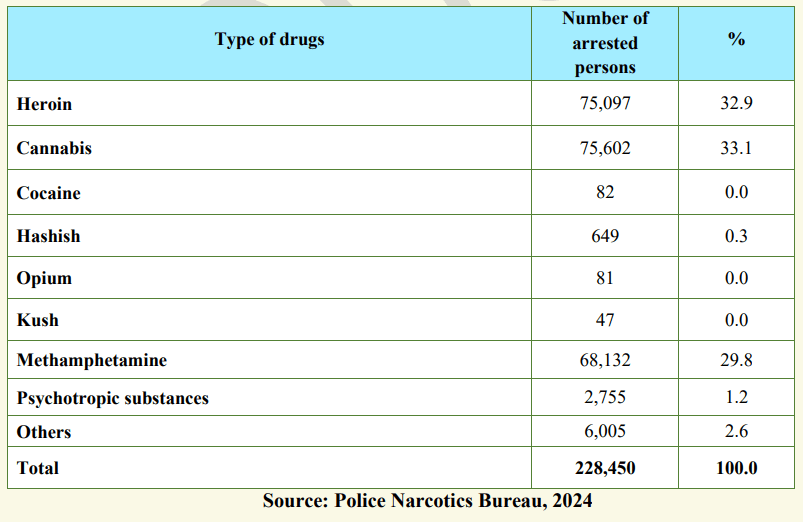
In 2024, arrests of youth possession according to Police data (2024) had a growing concern over the rise of synthetic drugs due to the reasons that there were no clear targeted reforms, schools became gateways and the quiet residential areas in Colombo turned into hotspots.

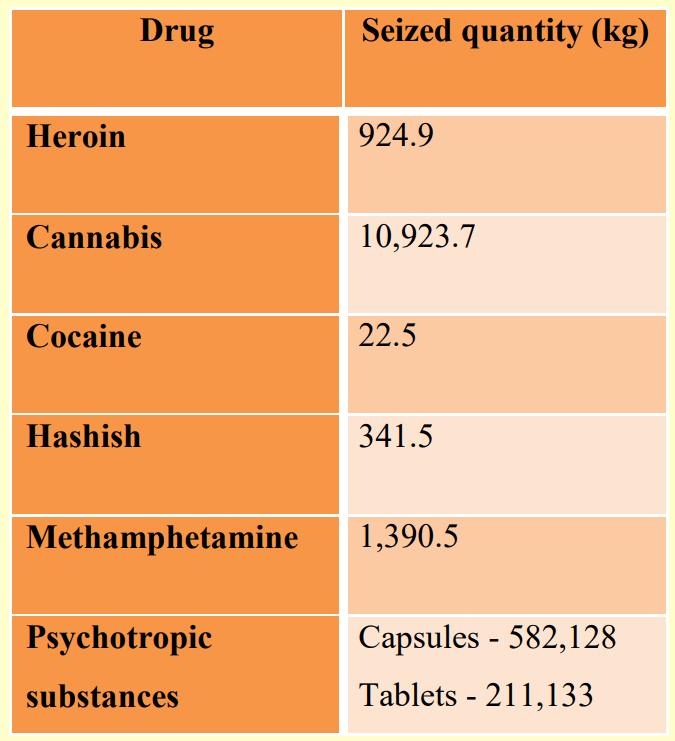
Then, these numbers changed into these in 2025 (January – July)

Source: Total number of persons arrested for drug-related offences

The two tables highlight one serious issue: the risk of children and urban adolescents being exposed to substances such as cannabis, heroin, and synthetic methamphetamine (ICE) continues to increase year after year, with no sign of decline, turning once-safe schools and neighbourhoods into targeted centres of drug transmission.

The Urgent Imperative

This initiative builds on past efforts. There were mandated awareness programs, initiatives and reforms but their enforcement lagged. A new reform for 2026, involving cross-agency collaboration (NDDCB, police, tobacco authority), tries to address these gaps by focusing on rehab over punishment, aligning with WHO guidelines. The focus of this imperative is holistic. The rehab referrals shift from criminalization to recovery, monitoring the above mentioned environments’ supply chains.

The meeting involved the National Authority on Tobacco and Alcohol (NATA), National Dangerous Drugs Control Board (NDDCB), and Education Ministry to draft a 2026 school-drug circular. This signals coordination especially with the inauguration of the National Mission ‘Ratama Ekata’ which can potentially handle the rising youth cases.

The Goal in Mind

Reforms like this often promise much but deliver little without teeth. One of the reasons why this could let drugs persist is the role of the police in controlling drugs through frequent raids that discourage local dealers. This effort is weakened by repeated corruption scandals such as the 2024 Navy methamphetamine trafficking cases which damage public trust and create perceptions of bias. At the same time, aggressive policing and raids can alienate vulnerable youth and push drug networks further underground.

Rehabilitation offers a more humane alternative by focusing on treatment rather than punishment. Yet access remains severely limited, with nationwide capacity at only about a few rehabilitation centres across the nation which ultimately questions rehabilitating every drug exposed is really possible and if these long waiting lists mean many referrals exist only on paper, not as real interventions.

Awareness campaigns aimed at protecting schools can help communities respond better, but the lack of dedicated funding for counseling leaves students exposed, making it harder to control through traditional policing.

Although the new circular calls for firm action, past experience raises concerns.

Police have reported that between January 1 and August 31, 2025,  206 children were taken into custody for drug-related offenses, though there were over 15,600 awareness programs being conducted to tackle the issue. This data reveals a troubling reality: previous initiatives often characterised by weak implementation of school drug prevention policies and limited involvement of principals and education offices may have contributed to worsening drug use among students.

This highlights the risk of repeating symbolic reforms without proper oversight, funding, and follow-through.

Therefore, before diving into these initiatives without considering their effects on the less visible aspects of society, it is imperative to conduct rigorous audits, provide teacher training, and implement community programs continuously to monitor both the decline and rise of drug use and to analyze ways in which these programs can be effectively implemented, not merely for the sake of doing so.

Doomsday Clock 2026: What the “85 Seconds from Midnight” Really Means for the World

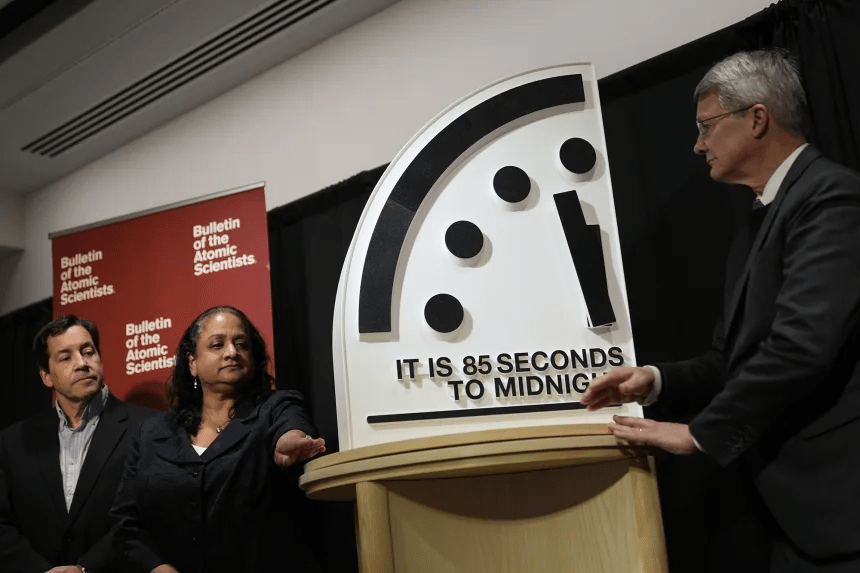
The Doomsday Clock has been set to 85 seconds to midnight which is the closest it’s ever been since it was introduced in 1947, signaling rising global risks and existential threats.

Let’s get into simple terms. The Doomsday Clock isn’t a countdown timer in the usual sense because it doesn’t tick down in real time like the usual clocks do and it doesn’t precisely predict the moment the world will end. But when scientists say we are 85 seconds to midnight, it is hard not to pause and feel uneasy.

What does the midnight represent? Midnight in this case represents global catastrophe or a point where human-made threats like war, climate collapse, technology and pandemics overwhelm our entire abilities to control them. What’s more concerning is that being this close has never happened before. According to the scientists behind the Doomsday Clock, we are closer to disaster than any point in modern history.

This 85 seconds is symbolic and not literal. It doesn’t mean that the world ends in 85 seconds; rather it represents how compressed the margin for error has become. In simple terms, we no longer have the luxury of time to reverse our mistakes. We had time before, but now, we don’t anymore.

One reason the clock moved closer this year, 2026, is because, as experts have pointed out, a dangerous mix of problems is occurring all at once. This is indeed true because today, nuclear tensions remain as high as ever (especially with diplomatic trust becoming more fragile), climate change is advancing rapidly, biological risks including pandemics remain a real threat almost every day and international cooperation is weakening, particularly when it is needed the most.

These not only say that individually, these risks are serious but also together, they amplify each other.

This clock is not saying, “it’s over.” But it’s definitely saying, “this is the moment to act.” The closer the clock gets to midnight, the louder the warning becomes. The scientists state that it is possible to move the clock back but it solely depends on human choice rather than fate.

We may not know how soon things could unravel but one thing is sure now: the time to fix what’s broken is now, not later.

Sources: Doomsday Clock 2026: Scientists set new time

Want to find out how technology has rewritten childhood? Read:

China-Sri Lanka Partnership Strengthened through School Uniform Donation

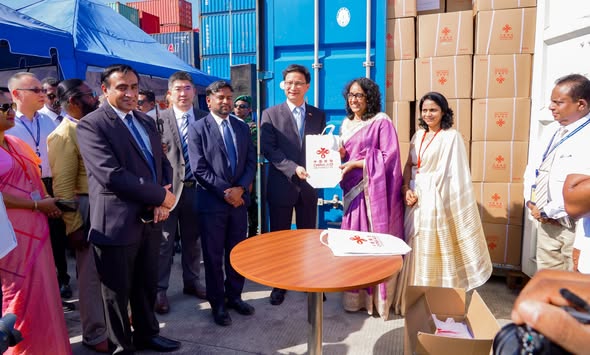
Prime Minister and Minister of Education, Higher Education and Vocational Education, Dr. Harini Amarasuriya, reaffirmed the strong relationship between China and Sri Lanka, highlighting education as a shared foundation for equality and development.

Speaking at an event held recently to mark China’s continued donation of free school uniform materials, the Prime Minister stated that both China and Sri Lanka can be identified as nations committed to providing equal access to fundamental education for all children. She emphasized that such collaborations play a crucial role in ensuring educational equity across the country.

Dr. Amarasuriya noted that the support extended by the Chinese government has been a significant strength in Sri Lanka’s efforts to maintain quality education, particularly during challenging times. She further stated that China’s long-standing commitment to providing school uniform materials, fulfilled consistently over several years, clearly reflects the mutual trust, respect, and enduring friendship between the two countries.

“The uninterrupted fulfillment of this promise demonstrates China’s solidarity with Sri Lanka, especially during periods of difficulty,” she said, expressing gratitude on behalf of all Sri Lankans for the generous donation.

As part of this initiative, the Chinese community has donated school uniform fabric valued at approximately 11.484 million units as a full grant. The materials delivered to Sri Lanka in five shipments. The official handover of the donation was made to the Ministry of Education, Higher Education and Vocational Education by the Ambassador of the People’s Republic of China to Sri Lanka, His Excellency Qi Zhenhong.

It is expected that approximately 4,418,404 students will receive school uniforms this year. Distribution of the materials to Divisional Education Offices was scheduled to begin from January 19, 2026. Free school uniforms will be provided to students in government schools, government-approved Pirivenas, and government-approved Pirivena institutions across the island, under a programme implemented by the Ministry of Education, Higher Education and Vocational Education.

Addressing the event, Ambassador Qi Zhenhong highlighted the long-standing and resilient relationship between China and Sri Lanka, noting that the partnership has endured despite various challenges. He reaffirmed China’s commitment to supporting Sri Lanka’s education sector and contributing to the country’s long-term development.

The event was attended by Deputy Minister of Education and Higher Education Dr. Madura Seneviratne, Secretary to the Ministry of Education Mr. Nalaka Kaluwewa, and several other officials.

Kerala’s Shocking Truth: Super Educated yet Super Unemployed

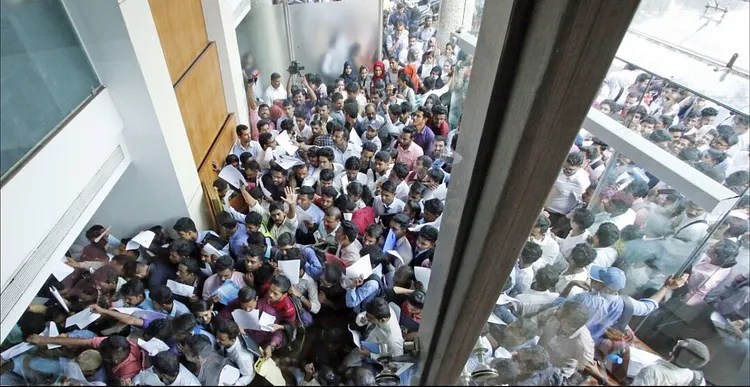
Kerala has India’s highest literacy at 96.2%, surpassing or rather beating the national average for literacy rates. Malayalis chase degrees, dream big, and vote left for welfare. Yet, over 25% of educated rural youth and 20% urban grads sit jobless, turning the situation into a paradox of pride and pain.

The Wrong Kind of Smarts

Due to big government spends, Kerala’s schools reach everyone. But Malayalis focus stays on conventional degrees in arts and science for “white-collar” government jobs and with thousands applying for the same public sector spot, job opportunities get drastically unavailable, leading the same thousands of young to settle for lower-paying jobs like peons or janitors. Malayalis strong preference for salaried jobs rather than entrepreneurship is rooted in another kind of reality which really uncovers the effects of having an unhealthy education system as well as a political climate. On one hand, Malayalis who are not self-taught yet excessively drown in unnecessary conventional studies do not possess the kinds of skills that match self-employment. Their educated grads twiddle thumbs while factories beg for workers.

Educated Unemployment

This educated unemployment has become a serious test of Kerala’s development. As a result of constantly struggling to create enough suitable jobs, a large numbers of Malayalis migrated abroad, especially to Gulf countries, in search of better employment opportunities. Over time, the “Gulf Malayali” became a familiar figure in Kerala’s social and cultural life and was often viewed as financially stable and highly desirable.

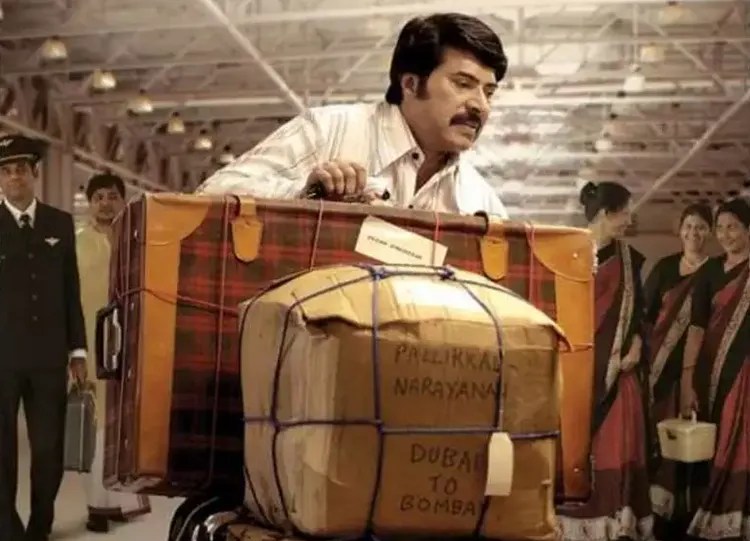
The theatrical release movie poster for the 2015 Malayalam film ‘Pathemari’, that depicts the socio-economic struggles of the Gulf Malayali. Image credits: The Kerala Paradox: From High Literacy to High Educated Unemployment

The Kerala- Gulf diaspora, numbering over two million people, has played a major role in the state’s economy. In 2019 alone, remittances from abroad brought in nearly $14–15 billion, boosting household income, consumption, and savings, and contributing significantly to economic growth. However, this migration also created a shortage of local workers in low-skilled sectors such as construction and coconut harvesting. These jobs are now largely filled by migrant workers from North-Eastern Indian states. This balance between skilled emigration and migrant labour inflow has become a key feature of Kerala’s economic development. But in the wake of oil crashes, visa cuts, and COVID slashing over 300,000 jobs since 2013, the Malayali’s diaspora’s dream has been fading. Then unemployment started hitting 26.5% as of May 2020 and now returning grads face empty promises with no high-skill gigs waiting.

Despite these rates, a gender gap in literacy seemingly continues to persist across India. Men consistently show higher literacy levels than women, reflecting long-standing social and economic inequalities in access to education. In states like Kerala, this gap is much smaller due to strong investments in education, but women still fall just behind men. In contrast, states with lower literacy levels show much wider differences, with far fewer women able to access basic education. This highlights that while progress has been made, achieving true gender equality in education remains an ongoing challenge. This in fact underlines the need for continued policy focus on gender equality in education.

Sources:

  • Mathrubhumi News, 2019.
  • The Kerala Paradox: From High Literacy to High Educated Unemployment
  • At 96.2%, Kerala tops literacy rate chart; Andhra Pradesh worst performer at 66.4%