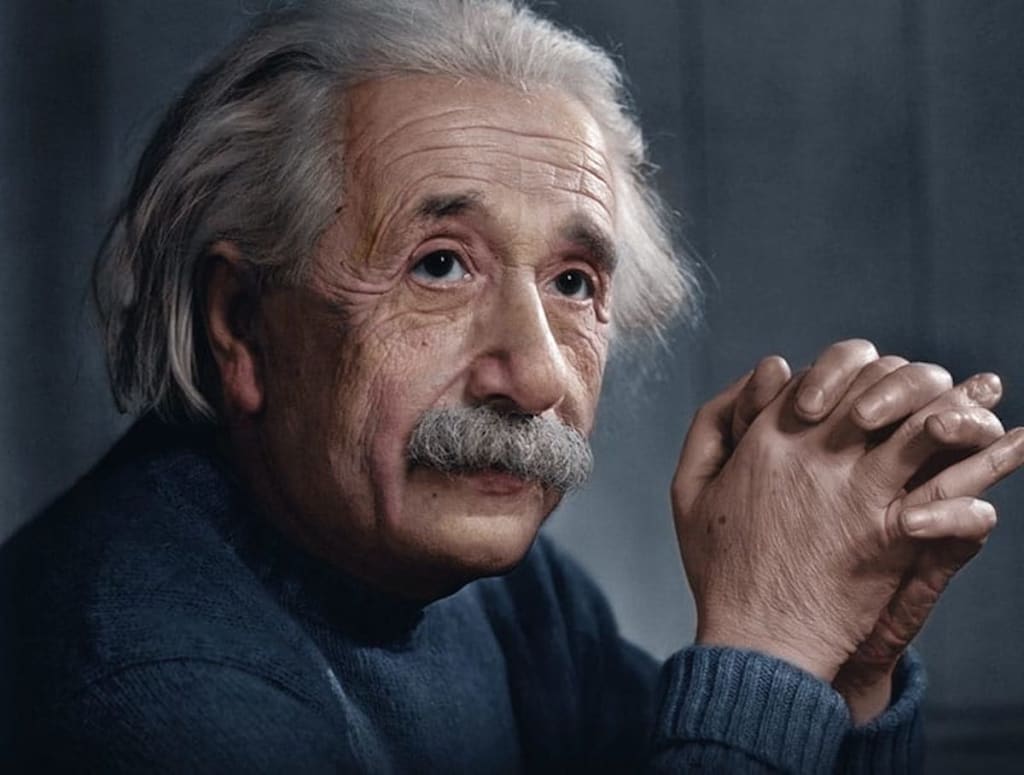
The famous quote by Albert Einstein, “I know not with what weapons World War III will be fought, but World War IV will be fought with sticks and stones” is more than just a powerful line; it’s a serious warning about the future of humanity.
Einstein believed that if a third world war were to happen, it could involve extremely destructive weapons, possibly nuclear or even more advanced ones. The level of devastation could be so great that it might destroy modern civilization as we know it.
What makes this quote truly frightening is its message about what comes after.
Einstein suggests that such a war could push humanity back to primitive times, where survival replaces progress and technology disappears. It’s not just about war. It’s about the consequences of human actions and the danger of misusing knowledge.
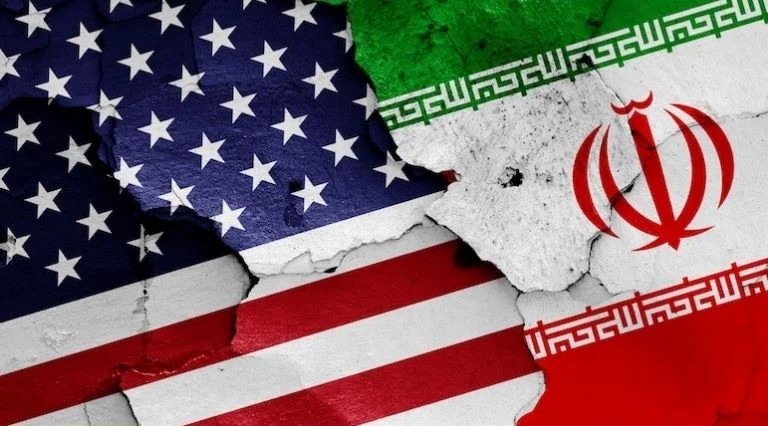
Rashid Khalidi, a Palestinian historian, in his 2020 article The Hundred Years’ War on Palestine: A History of Settler Colonial Conquest and Resistance, 1917-2017, argued that the British and American colonial ambitions were profoundly inspired by Zionist aspirations to rule Palestine for centuries. Accordingly, this conflict between the United States and Iran is hardly a single war. It is a long awaited and complicated struggle that is shaped by politics, ideology and various dynamics of power. These notions came into play nearly 47 years ago, making a prolonged chapter, known as “Fifty-Year War.”
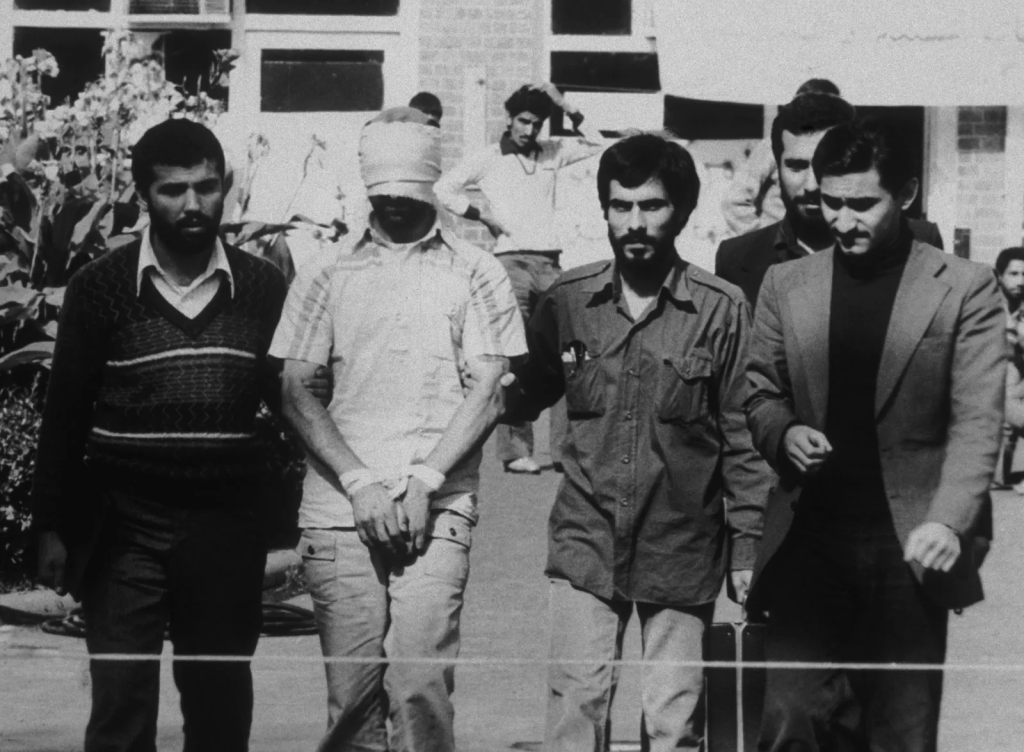
Let’s go back to 1979 when Iran’s unstable political climate started with the overthrown of one of America’s most trusted clients in the Middle East, Shah Mohammad Reza Pahlavi. Shah was described as “a ruler with dictatorial powers, a massive military and delusions of grandeur.” America ignored US diplomats who questioned this over-reliance the US had with Iran and Shah, on the other hand, silenced everyone who called for political change. This whole chapter was followed by the 1979 Islamic Revolution led by Ayatollah Ruhollah Khomeini who caused a massive shift in regional politics and ideologies, instantly transforming Iran from a key US ally to an adversary. He labelled the US the “Greater Satan” and called the seizing of the US Embassy in Tehran, severing all the diplomatic ties and creating the 1979-1981 hostage crisis. His rhetoric was entirely anti-American.
1979-1981 hostage crisis
In the same year, Iraq became another triggering point for this ever-escalating war. It began with Saddam Hussein becoming the president of Iraq where he theatrically saw both Israel and revolutionary Iran as hindrance to his ambitions towards pan-Arab leadership. He launched a “full-scale invasion” of Iran that lasted for eight years, resulting in devastating economic and societal contractions in both sides but Iraq was facing greater repercussions.
In the Iraq-Iran war, the US secretively supported Iraq, providing intelligence, chemical weapons and financial aid. They defined Khomeini’s revolutionary Iran as a great threat to regional oil stability. They also propagated Iran as a state that sponsors terrorism. This amplified the enmity between Iran and the US.
Iran had denied Israel rights to even exist since the 1979 revolution. Their motto since then was “Death to Israel.” It was at this time that Israel was considered one of the greatest allies of the US, leading Iran to despise Israel even more. Thus, the Islamic Republic was concerned that both the US and Israel brought existential threat to Iran. They, therefore backed a network of well-armed groups where they spread their ideologies and expanded influence. These groups that were collectively known as the “Axis of Resistance,” included Hezbollah (Lebanon), the Houthis (Yemen), Hamas/Palestinian Islamic Jihad (Gaza), and various militias in Iraq, with strategic state relationships with Russia.
With this expansion of power, Iran could develop a Nuclear weapons program in which they repeatedly reported that this program was solely based in peaceful purposes for its citizens. The US considered this a terrorist activity in the Middle East, yet again heightening the rivalry between them.
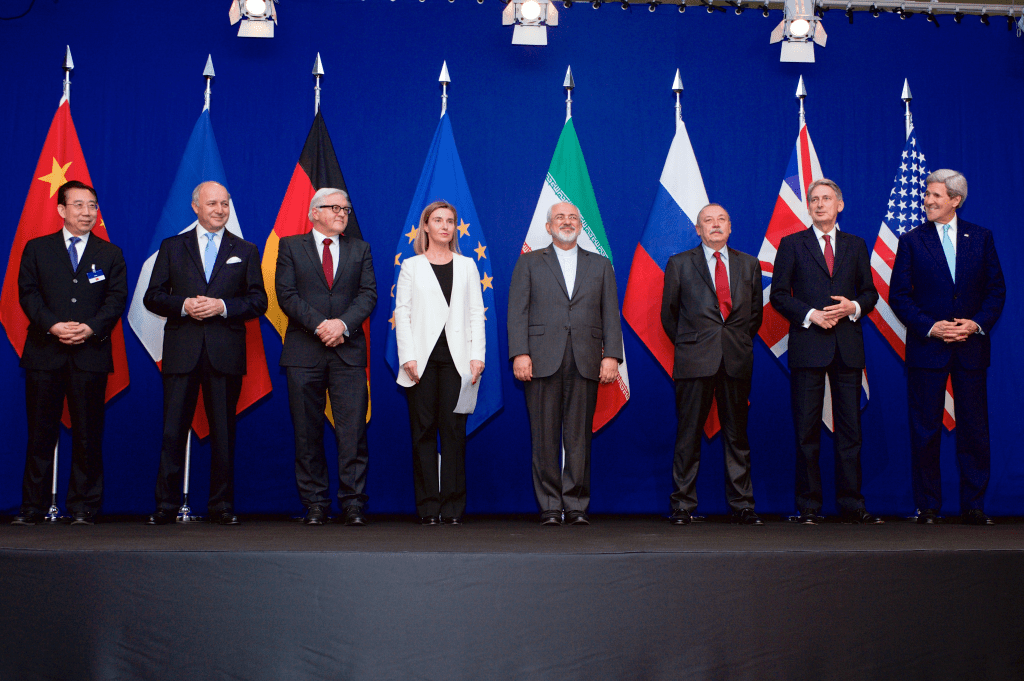
Then a breakthrough came in 2015 when Iran, along with several other world leaders including the US, signed an agreement to limit its Nuclear program. This agreement was formally know as the Joint Comprehensive Plan of Action (JCPOA). Before this, Iran had signed the Nuclear Non-Proliferation Treaty (NPT) in July 1968 and ratified it in February 1970 while accepting International Atomic Energy Agency (IAEA) inspections. Somehow this JCPOA agreement enabled reconciliation between the two nations, allowing Iran to open its facilities to more extensive international inspections in exchange for billions of dollars’ worth of sanctions relief.
Then, in 2019, the US accused Iran of attacking oil tankers in the Gulf of Oman. In response to the accusations, Iran issued a statement, calling the US and its allies to put an end to mischievous plots and false flag operations in the region.
In 2020, Iran’s top military commander, General Qasem Soleimani, was assassinated in a U.S. drone strike. The US claimed that Soleimani was behind attacks on Americans in the region.
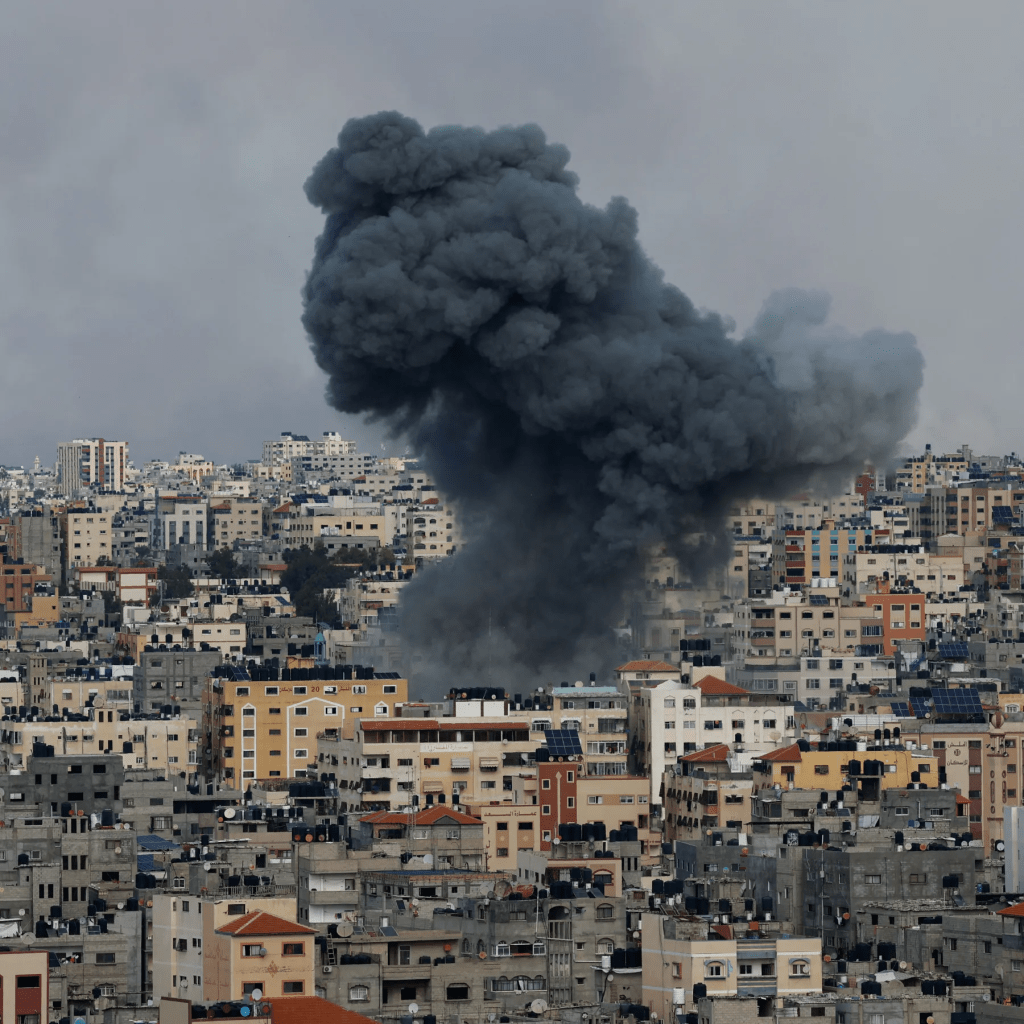
In 2023, Hamas, a long-term ally of Iran which was considered a terrorist organization by the US, launched an attack on Israel from Gaza Stripe, killing about 1,200 people and taking 251 hostages. This resulted in a massive Israel military attack in Gaza which killed tens of thousands of Palestinians. This attack left Hamas extremely defenseless. Though Iran denied any involvement in the Hamas attack on Israel, they publicly supported the actions of Hamas.
The Palestinian group, Hamas launching an attack on Israel
In June, 2025, the UN’s Nuclear watchdog said that Iran had breached its agreement on limiting the Nuclear program under the Non-Proliferation Treaty (NPT). Yet, Iran repeatedly claimed that they had never developed a Nuclear weapon.
After this, Israel launched a series of strikes in Iran, resulting in a 12 day war. The US was also directly involved in the war with air strikes on Iranian Nuclear facilities.
In September 2025, the UN reimposed severe UN sanctions, following the E3‘s (France, Germany, UK) move due to Iran not following the agreed rules about nuclear activities.
What are these sanctions?
These are serious economic and political restrictions, such as:
Freezing Iran’s money/assets
Banning arms trade
Limiting nuclear activities
Blocking trade and financial dealings
After the sanctions, Iran faced economic hardship, global isolation and growing dissatisfaction among its citizens who often demanded political change in the country. They chanted slogans against the Supreme Leader Ali Khamenei yet thousands of these protesters ended up getting killed on the streets. While President Trump expressed support on these protesters and warned Iran not to act on violence, Ayatollah Khomeini, blamed the US President for the protests and deaths. It is after this Khomeini was killed on February 28, 2026, in an attack by Israel and the United States.
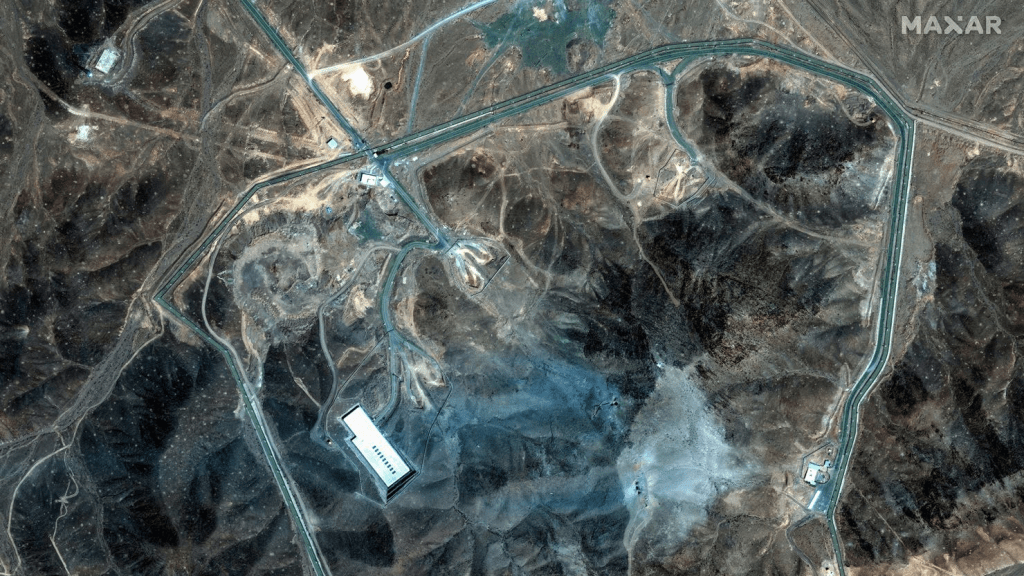
Iran’s severely damaged Nuclear program which was attacked by the US
In the end, the long-standing war between America and Iran has no easy solution. Though strikes may slow each side’s ambitions, they are seemingly not capable of resolving deeper political, economic and social issues within either country.
But what should not go unnoticed is that the US and Iran have been fighting with each other for decades and it is driven not only by Iran’s alleged possession of Nuclear weapons but also by broader and more complicated diplomatic, economic, cyber, political and espionage tensions between the two nations.
“Drug addicts should be referred to proper rehabilitation centers. Special attention must be paid to the environment around schools and the intervention of the Sri Lanka Police in this regard is extremely important.”
This statement was made during a meeting, attended by officials from the National Authority on Tobacco and Alcohol, the National Dangerous Drugs Control Board, and the Ministry of Education, to discuss the issuance of a new circular on school-related drug prevention for the year 2026.
Is this Reform necessary? Will it curb Drug Use or let it persist?
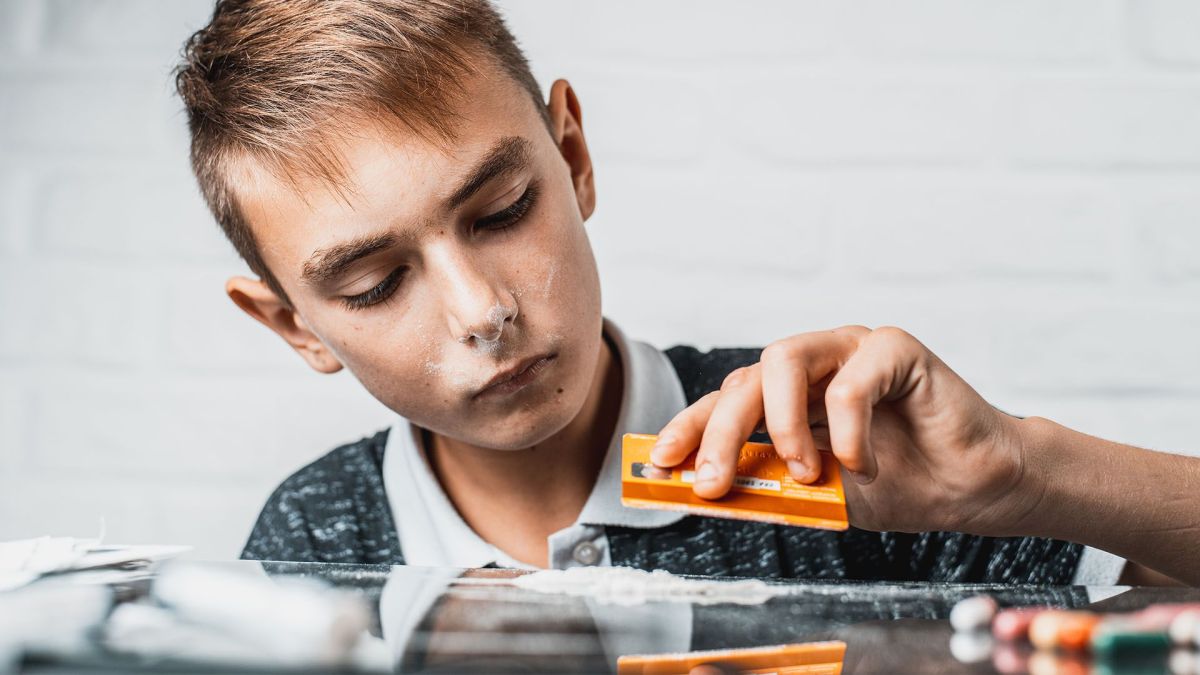
Sri Lanka faces a growing drug crisis, especially near schools, where youth vulnerability is high. The proposed 2026 circular emphasizing rehab referrals, school-zone monitoring, and police involvement sounds proactive. But is it truly necessary and will it ambush drug use or just prolong the problem? Let’s break it down with evidence from regional trends and global parallels.
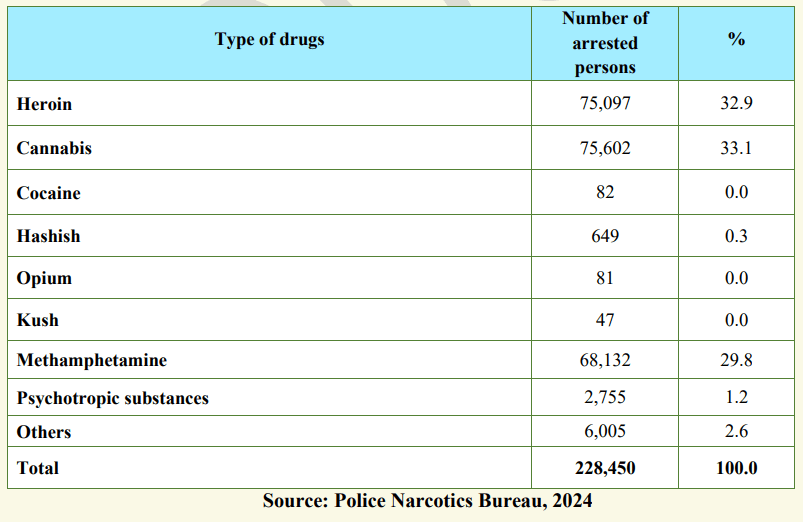
In 2024, arrests of youth possession according to Police data (2024) had a growing concern over the rise of synthetic drugs due to the reasons that there were no clear targeted reforms, schools became gateways and the quiet residential areas in Colombo turned into hotspots.
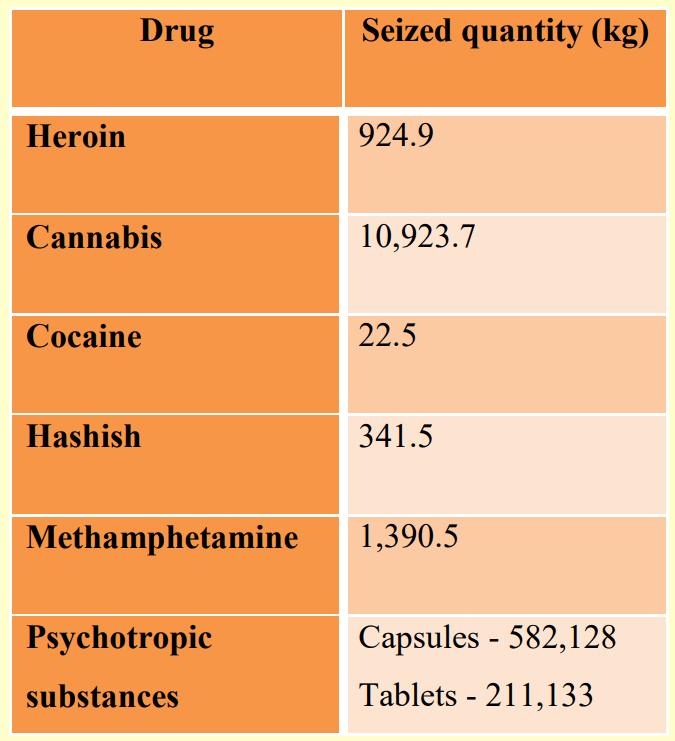
Then, these numbers changed into these in 2025 (January – July)
The two tables highlight one serious issue: the risk of children and urban adolescents being exposed to substances such as cannabis, heroin, and synthetic methamphetamine (ICE) continues to increase year after year, with no sign of decline, turning once-safe schools and neighbourhoods into targeted centres of drug transmission.
The Urgent Imperative
This initiative builds on past efforts. There were mandated awareness programs, initiatives and reforms but their enforcement lagged. A new reform for 2026, involving cross-agency collaboration (NDDCB, police, tobacco authority), tries to address these gaps by focusing on rehab over punishment, aligning with WHO guidelines. The focus of this imperative is holistic. The rehab referrals shift from criminalization to recovery, monitoring the above mentioned environments’ supply chains.
The meeting involved the National Authority on Tobacco and Alcohol (NATA), National Dangerous Drugs Control Board (NDDCB), and Education Ministry to draft a 2026 school-drug circular. This signals coordination especially with the inauguration of the National Mission ‘Ratama Ekata’ which can potentially handle the rising youth cases.
The Goal in Mind
Reforms like this often promise much but deliver little without teeth. One of the reasons why this could let drugs persist is the role of the police in controlling drugs through frequent raids that discourage local dealers. This effort is weakened by repeated corruption scandals such as the 2024 Navy methamphetamine trafficking cases which damage public trust and create perceptions of bias. At the same time, aggressive policing and raids can alienate vulnerable youth and push drug networks further underground.
Rehabilitation offers a more humane alternative by focusing on treatment rather than punishment. Yet access remains severely limited, with nationwide capacity at only about a few rehabilitation centres across the nation which ultimately questions rehabilitating every drug exposed is really possible and if these long waiting lists mean many referrals exist only on paper, not as real interventions.
Awareness campaigns aimed at protecting schools can help communities respond better, but the lack of dedicated funding for counseling leaves students exposed, making it harder to control through traditional policing.
Although the new circular calls for firm action, past experience raises concerns.
Police have reported that between January 1 and August 31, 2025, 206 children were taken into custody for drug-related offenses, though there were over 15,600 awareness programs being conducted to tackle the issue. This data reveals a troubling reality: previous initiatives often characterised by weak implementation of school drug prevention policies and limited involvement of principals and education offices may have contributed to worsening drug use among students.
This highlights the risk of repeating symbolic reforms without proper oversight, funding, and follow-through.
Therefore, before diving into these initiatives without considering their effects on the less visible aspects of society, it is imperative to conduct rigorous audits, provide teacher training, and implement community programs continuously to monitor both the decline and rise of drug use and to analyze ways in which these programs can be effectively implemented, not merely for the sake of doing so.
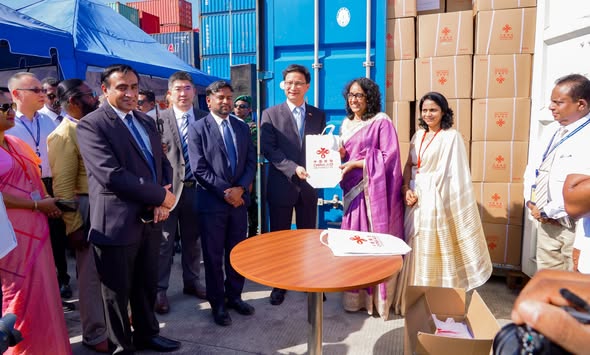
Prime Minister and Minister of Education, Higher Education and Vocational Education, Dr. Harini Amarasuriya, reaffirmed the strong relationship between China and Sri Lanka, highlighting education as a shared foundation for equality and development.
Speaking at an event held recently to mark China’s continued donation of free school uniform materials, the Prime Minister stated that both China and Sri Lanka can be identified as nations committed to providing equal access to fundamental education for all children. She emphasized that such collaborations play a crucial role in ensuring educational equity across the country.
Dr. Amarasuriya noted that the support extended by the Chinese government has been a significant strength in Sri Lanka’s efforts to maintain quality education, particularly during challenging times. She further stated that China’s long-standing commitment to providing school uniform materials, fulfilled consistently over several years, clearly reflects the mutual trust, respect, and enduring friendship between the two countries.
“The uninterrupted fulfillment of this promise demonstrates China’s solidarity with Sri Lanka, especially during periods of difficulty,” she said, expressing gratitude on behalf of all Sri Lankans for the generous donation.
As part of this initiative, the Chinese community has donated school uniform fabric valued at approximately 11.484 million units as a full grant. The materials delivered to Sri Lanka in five shipments. The official handover of the donation was made to the Ministry of Education, Higher Education and Vocational Education by the Ambassador of the People’s Republic of China to Sri Lanka, His Excellency Qi Zhenhong.
It is expected that approximately 4,418,404 students will receive school uniforms this year. Distribution of the materials to Divisional Education Offices was scheduled to begin from January 19, 2026. Free school uniforms will be provided to students in government schools, government-approved Pirivenas, and government-approved Pirivena institutions across the island, under a programme implemented by the Ministry of Education, Higher Education and Vocational Education.
Addressing the event, Ambassador Qi Zhenhong highlighted the long-standing and resilient relationship between China and Sri Lanka, noting that the partnership has endured despite various challenges. He reaffirmed China’s commitment to supporting Sri Lanka’s education sector and contributing to the country’s long-term development.
The event was attended by Deputy Minister of Education and Higher Education Dr. Madura Seneviratne, Secretary to the Ministry of Education Mr. Nalaka Kaluwewa, and several other officials.
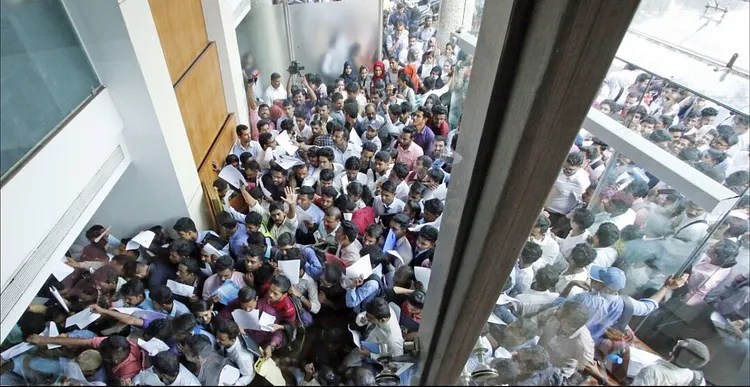
Kerala has India’s highest literacy at 96.2%, surpassing or rather beating the national average for literacy rates. Malayalis chase degrees, dream big, and vote left for welfare. Yet, over25% of educated rural youth and 20% urban grads sit jobless, turning the situation into a paradox of pride and pain.
The Wrong Kind of Smarts
Due to big government spends, Kerala’s schools reach everyone. But Malayalis focus stays on conventional degrees in arts and science for “white-collar” government jobs and with thousands applying for the same public sector spot, job opportunities get drastically unavailable, leading the same thousands of young to settle for lower-paying jobs like peons or janitors. Malayalis strong preference for salaried jobs rather than entrepreneurship is rooted in another kind of reality which really uncovers the effects of having an unhealthy education system as well as a political climate. On one hand, Malayalis who are not self-taught yet excessively drown in unnecessary conventional studies do not possess the kinds of skills that match self-employment. Their educated grads twiddle thumbs while factories beg for workers.
Educated Unemployment
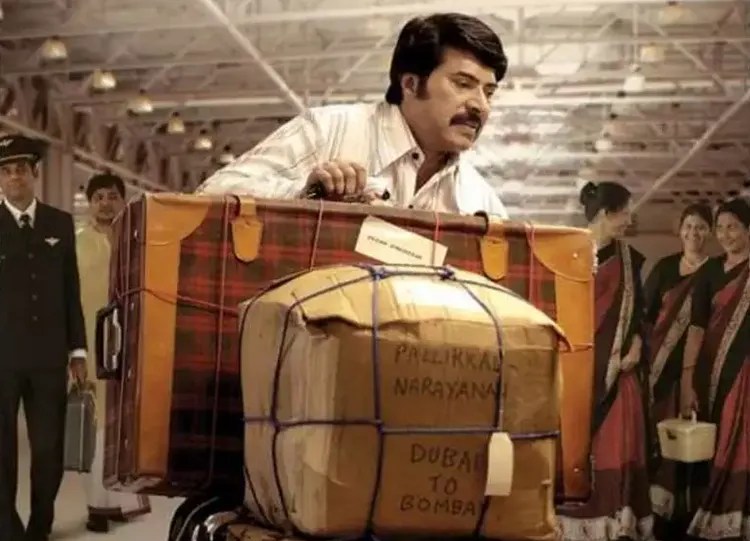
This educated unemployment has become a serious test of Kerala’s development. As a result of constantly struggling to create enough suitable jobs, a large numbers of Malayalis migrated abroad, especially to Gulf countries, in search of better employment opportunities. Over time, the “Gulf Malayali” became a familiar figure in Kerala’s social and cultural life and was often viewed as financially stable and highly desirable.
The Kerala- Gulf diaspora, numbering over two million people, has played a major role in the state’s economy. In 2019 alone, remittances from abroad brought in nearly $14–15 billion, boosting household income, consumption, and savings, and contributing significantly to economic growth. However, this migration also created a shortage of local workers in low-skilled sectors such as construction and coconut harvesting. These jobs are now largely filled by migrant workers from North-Eastern Indian states. This balance between skilled emigration and migrant labour inflow has become a key feature of Kerala’s economic development. But in the wake of oil crashes, visa cuts, and COVID slashing over 300,000 jobs since 2013, the Malayali’s diaspora’s dream has been fading. Then unemployment started hitting 26.5% as of May 2020 and now returning grads face empty promises with no high-skill gigs waiting.
Despite these rates, a gender gap in literacy seemingly continues to persist across India. Men consistently show higher literacy levels than women, reflecting long-standing social and economic inequalities in access to education. In states like Kerala, this gap is much smaller due to strong investments in education, but women still fall just behind men. In contrast, states with lower literacy levels show much wider differences, with far fewer women able to access basic education. This highlights that while progress has been made, achieving true gender equality in education remains an ongoing challenge. This in fact underlines the need for continued policy focus on gender equality in education.
Sources:
Mathrubhumi News, 2019.
The Kerala Paradox: From High Literacy to High Educated Unemployment
At 96.2%, Kerala tops literacy rate chart; Andhra Pradesh worst performer at 66.4%