Sri Lanka’s rising heat is not caused by just one factor. There is a combination of natural climate patterns and long-term environmental change. Weather expert directly point out that one of the key influences is El Niño, a phenomenon that begins in the Pacific Ocean but affects weather across the globe.
During an El Niño phase, ocean waters in the central and eastern Pacific become unusually warm. This disrupts normal wind patterns and weakens the movement of moisture toward regions like South Asia. As a result, countries such as Sri Lanka often experience reduced rainfall and clearer skies, allowing more heat to build up over land.
With fewer clouds and less rain to cool the atmosphere, temperatures rise more sharply during the day. The land absorbs more solar radiation, and without regular showers to release that heat, the environment becomes increasingly dry and warm. This also leads to higher humidity levels, creating uncomfortable “feels-like” temperatures that can be more intense than the actual recorded heat.
In addition, shifting air circulation during El Niño limits cloud formation, further intensifying heat conditions across the island.
However, El Niño alone does not fully explain the increasing severity of heat in Sri Lanka.
The broader impact of Climate Change plays a crucial role. Over the years, global temperatures have steadily risen due to human activities such as burning fossil fuels and deforestation. This long-term warming means that when natural events like El Niño occur, their effects are amplified. What might once have been a slightly warmer season now turns into extreme heat waves, with temperatures rising above normal levels and lasting longer than before.
Thus, it is safe to say that El Niño acts as a short-term trigger that disrupts weather patterns, while climate change serves as the underlying force that intensifies these disruptions. Together, they create the extreme heat conditions currently being experienced in Sri Lanka, highlighting the need to understand both natural and human-driven causes behind changing climate patterns.
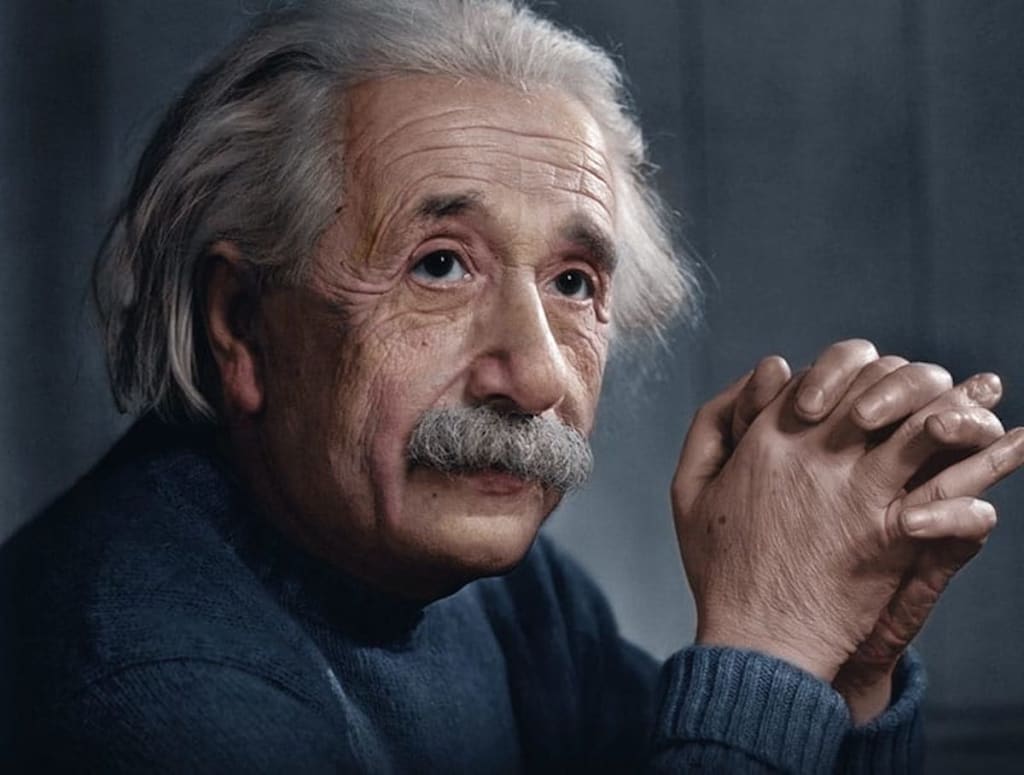
The famous quote by Albert Einstein, “I know not with what weapons World War III will be fought, but World War IV will be fought with sticks and stones” is more than just a powerful line; it’s a serious warning about the future of humanity.
Einstein believed that if a third world war were to happen, it could involve extremely destructive weapons, possibly nuclear or even more advanced ones. The level of devastation could be so great that it might destroy modern civilization as we know it.
What makes this quote truly frightening is its message about what comes after.
Einstein suggests that such a war could push humanity back to primitive times, where survival replaces progress and technology disappears. It’s not just about war. It’s about the consequences of human actions and the danger of misusing knowledge.
Self-control isn’t just about “being strong.” Psychologists say it’s more about using smart strategies. Research shows that people who succeed at self-control don’t simply resist temptation; they avoid or reshape it. For example, instead of fighting distractions, they change their environment like removing temptations or distracting themselves when urges hit. Even in famous experiments like the “marshmallow test,” children who succeeded didn’t rely on willpower alone; they used simple tricks like looking away or keeping their hands busy.
So let’s look at some smart psychological tricks that make good choices easier.
1. Change Your Environment
Instead of depending on willpower, make your surroundings work for you. If distractions or temptations aren’t around, you won’t have to resist them.
For example, keeping your phone out of reach while studying or not buying junk food reduces the chances of giving in.
Good self-control often starts with smart setup.
2. Use Distraction
When you feel a strong urge, don’t fight it directly. Shift your attention. Do something else like going for a walk, listening to music or starting a quick task.
Cravings usually pass if you don’t focus on them, so distraction helps you “wait out” the temptation.
3. Build Small Habits
Self-control grows with practice. Start with small, manageable actions like following a routine, finishing daily tasks, or setting tiny goals. Over time, these build discipline naturally, making it easier to stay consistent without feeling overwhelmed.
4. Manage Your Willpower
Willpower isn’t unlimited. It gets tired. If you make too many decisions or resist too many things in a day, you’re more likely to give in later.
That’s why planning ahead, simplifying choices, and creating routines can help you save mental energy and stay in control.
Don’t just read and forget. Save this, write it down or keep it somewhere you’ll see it often. The more you remind yourself, the more naturally these habits will stick, helping you stay in control and make better choices every day.
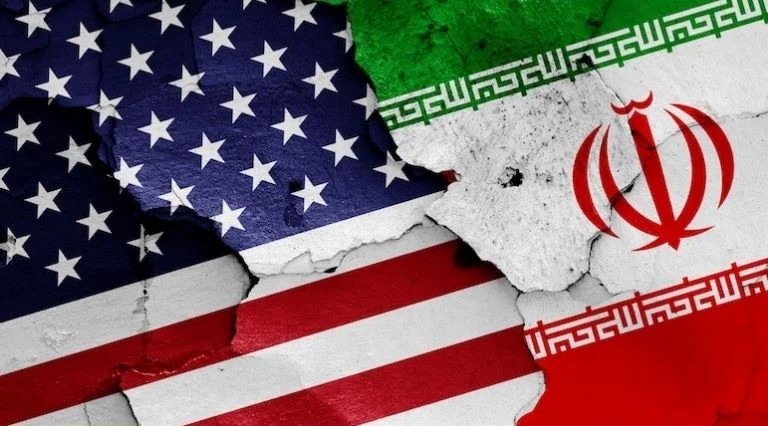
Rashid Khalidi, a Palestinian historian, in his 2020 article The Hundred Years’ War on Palestine: A History of Settler Colonial Conquest and Resistance, 1917-2017, argued that the British and American colonial ambitions were profoundly inspired by Zionist aspirations to rule Palestine for centuries. Accordingly, this conflict between the United States and Iran is hardly a single war. It is a long awaited and complicated struggle that is shaped by politics, ideology and various dynamics of power. These notions came into play nearly 47 years ago, making a prolonged chapter, known as “Fifty-Year War.”
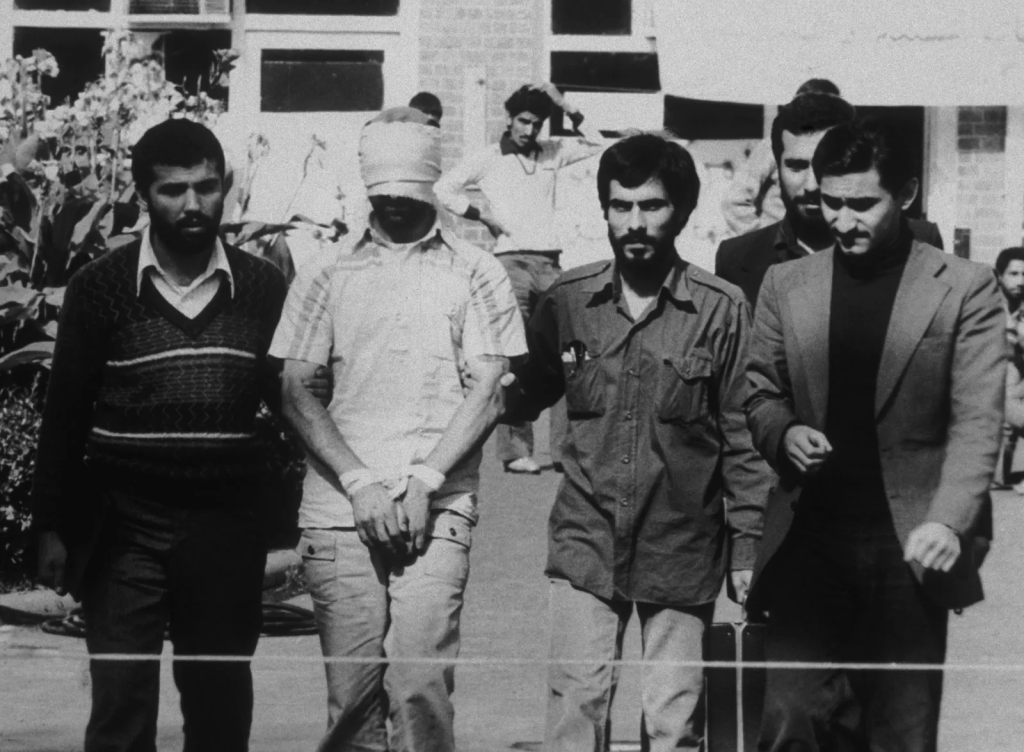
Let’s go back to 1979 when Iran’s unstable political climate started with the overthrown of one of America’s most trusted clients in the Middle East, Shah Mohammad Reza Pahlavi. Shah was described as “a ruler with dictatorial powers, a massive military and delusions of grandeur.” America ignored US diplomats who questioned this over-reliance the US had with Iran and Shah, on the other hand, silenced everyone who called for political change. This whole chapter was followed by the 1979 Islamic Revolution led by Ayatollah Ruhollah Khomeini who caused a massive shift in regional politics and ideologies, instantly transforming Iran from a key US ally to an adversary. He labelled the US the “Greater Satan” and called the seizing of the US Embassy in Tehran, severing all the diplomatic ties and creating the 1979-1981 hostage crisis. His rhetoric was entirely anti-American.
1979-1981 hostage crisis
In the same year, Iraq became another triggering point for this ever-escalating war. It began with Saddam Hussein becoming the president of Iraq where he theatrically saw both Israel and revolutionary Iran as hindrance to his ambitions towards pan-Arab leadership. He launched a “full-scale invasion” of Iran that lasted for eight years, resulting in devastating economic and societal contractions in both sides but Iraq was facing greater repercussions.
In the Iraq-Iran war, the US secretively supported Iraq, providing intelligence, chemical weapons and financial aid. They defined Khomeini’s revolutionary Iran as a great threat to regional oil stability. They also propagated Iran as a state that sponsors terrorism. This amplified the enmity between Iran and the US.
Iran had denied Israel rights to even exist since the 1979 revolution. Their motto since then was “Death to Israel.” It was at this time that Israel was considered one of the greatest allies of the US, leading Iran to despise Israel even more. Thus, the Islamic Republic was concerned that both the US and Israel brought existential threat to Iran. They, therefore backed a network of well-armed groups where they spread their ideologies and expanded influence. These groups that were collectively known as the “Axis of Resistance,” included Hezbollah (Lebanon), the Houthis (Yemen), Hamas/Palestinian Islamic Jihad (Gaza), and various militias in Iraq, with strategic state relationships with Russia.
With this expansion of power, Iran could develop a Nuclear weapons program in which they repeatedly reported that this program was solely based in peaceful purposes for its citizens. The US considered this a terrorist activity in the Middle East, yet again heightening the rivalry between them.
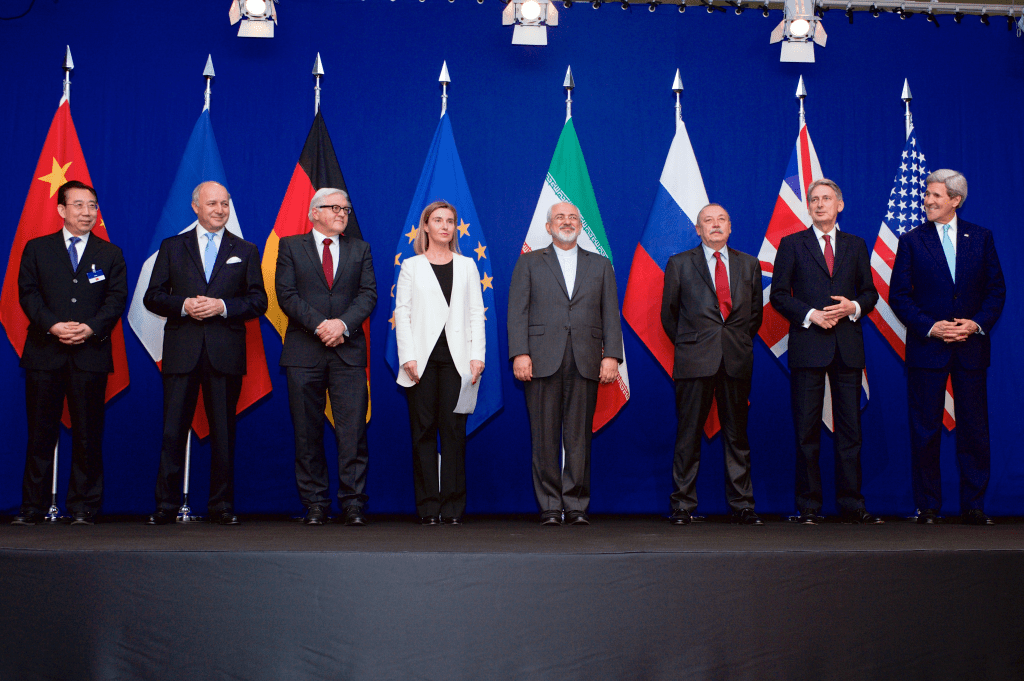
Then a breakthrough came in 2015 when Iran, along with several other world leaders including the US, signed an agreement to limit its Nuclear program. This agreement was formally know as the Joint Comprehensive Plan of Action (JCPOA). Before this, Iran had signed the Nuclear Non-Proliferation Treaty (NPT) in July 1968 and ratified it in February 1970 while accepting International Atomic Energy Agency (IAEA) inspections. Somehow this JCPOA agreement enabled reconciliation between the two nations, allowing Iran to open its facilities to more extensive international inspections in exchange for billions of dollars’ worth of sanctions relief.
Then, in 2019, the US accused Iran of attacking oil tankers in the Gulf of Oman. In response to the accusations, Iran issued a statement, calling the US and its allies to put an end to mischievous plots and false flag operations in the region.
In 2020, Iran’s top military commander, General Qasem Soleimani, was assassinated in a U.S. drone strike. The US claimed that Soleimani was behind attacks on Americans in the region.
In 2023, Hamas, a long-term ally of Iran which was considered a terrorist organization by the US, launched an attack on Israel from Gaza Stripe, killing about 1,200 people and taking 251 hostages. This resulted in a massive Israel military attack in Gaza which killed tens of thousands of Palestinians. This attack left Hamas extremely defenseless. Though Iran denied any involvement in the Hamas attack on Israel, they publicly supported the actions of Hamas.
The Palestinian group, Hamas launching an attack on Israel
In June, 2025, the UN’s Nuclear watchdog said that Iran had breached its agreement on limiting the Nuclear program under the Non-Proliferation Treaty (NPT). Yet, Iran repeatedly claimed that they had never developed a Nuclear weapon.
After this, Israel launched a series of strikes in Iran, resulting in a 12 day war. The US was also directly involved in the war with air strikes on Iranian Nuclear facilities.
In September 2025, the UN reimposed severe UN sanctions, following the E3‘s (France, Germany, UK) move due to Iran not following the agreed rules about nuclear activities.
What are these sanctions?
These are serious economic and political restrictions, such as:
Freezing Iran’s money/assets
Banning arms trade
Limiting nuclear activities
Blocking trade and financial dealings
After the sanctions, Iran faced economic hardship, global isolation and growing dissatisfaction among its citizens who often demanded political change in the country. They chanted slogans against the Supreme Leader Ali Khamenei yet thousands of these protesters ended up getting killed on the streets. While President Trump expressed support on these protesters and warned Iran not to act on violence, Ayatollah Khomeini, blamed the US President for the protests and deaths. It is after this Khomeini was killed on February 28, 2026, in an attack by Israel and the United States.
Iran’s severely damaged Nuclear program which was attacked by the US
In the end, the long-standing war between America and Iran has no easy solution. Though strikes may slow each side’s ambitions, they are seemingly not capable of resolving deeper political, economic and social issues within either country.
But what should not go unnoticed is that the US and Iran have been fighting with each other for decades and it is driven not only by Iran’s alleged possession of Nuclear weapons but also by broader and more complicated diplomatic, economic, cyber, political and espionage tensions between the two nations.
We often imagine that great authors admire all the classics around them, but Charlotte Brontë, best known for Jane Eyre, had very strong and sometimes unexpected opinions about the books she read. Through her letters and personal writings, we see that she openly praised some novels while strongly criticizing others. Her reactions were honest and passionate, revealing how seriously she took storytelling, imagination, and emotional depth in literature.
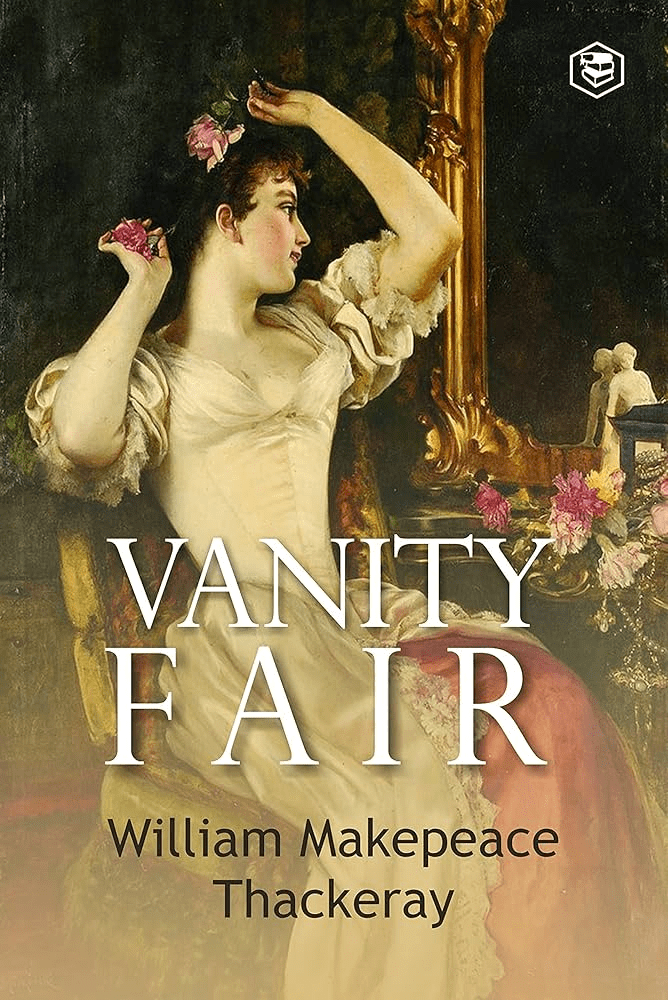
Among the novels she admired was Vanity Fair by William Makepeace Thackeray. She appreciated its sharp social commentary and the unforgettable character of Becky Sharp, a clever and ambitious woman navigating the strict social world of Victorian England.
Brontë also admired David Copperfield by Charles Dickens, praising its emotional depth and the way Dickens portrayed the struggles and growth of the main character from childhood to adulthood.
Another novel she respected was Uncle Tom’s Cabin by Harriet Beecher Stowe, which deeply moved readers with its powerful story about slavery and human suffering.
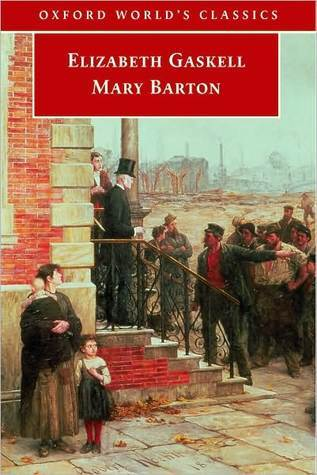
Other favorites included Mary Barton by Elizabeth Gaskell, which explores the harsh lives of factory workers in industrial England, Uncle Tom’s Cabin by Harriet Beecher Stowe, a powerful anti-slavery novel that moved readers across the world, and Madeleine, a Tale of Auvergne by Julia Kavanagh, a historical story about the life of a peasant girl in France. These works impressed Brontë with their emotional intensity, realism, and social insight.
However, Brontë’s opinions were not always positive. She famously disliked Pride and Prejudice by Jane Austen, describing it as lacking passion and imagination. While many readers love the novel for its wit and social observation, Brontë felt it was too restrained and emotionally distant.
She also disliked The Emigrant Family: or, The Story of an Australian Settler by Alexander Harris, feeling that it merely copied reality without creativity.
Other novels she criticized include Oliver Weld by Harriet Martineau, Modeste Mignon by Honoré de Balzac, and Azeth the Egyptian by Eliza Lynn Linton. In her view, these books either lacked originality, emotional depth, or the imaginative power she believed great literature should have.
She also found little interest in The Caxtons: A Family Picture by Edward Bulwer-Lytton, believing it did not offer the intensity or depth she valued in literature.
Somehow, these strong opinions tell us that even literary legends have their own unique tastes and sometimes they disagree with what the world later calls a masterpiece.
For many Sri Lankan students, the Advanced Level (O/L) exams feel like the single most important moment in life. Weeks of late-night studying, endless past papers, and pressure from tuition teachers and family build up to a few hours in an exam hall. The tension is real. The stress is heavy. And the weight of expectations can feel crushing.
When the exams are over, a strange mix of relief and anxiety takes over. Some students celebrate immediately, while others replay every mistake in their minds. Even if you gave your best, you might feel unsure, insecure, or “not good enough.”
Here’s the truth: the pressure you feel is real but so is your potential. And the difference between feeling stuck and moving forward lies in perspective, mindset and action.
Your A/Ls Don’t Define Who You Are
It’s easy to assume that a set of exam marks determines your intelligence, your worth, or your future. In Sri Lanka, this idea is reinforced everywhere, from conversations at home to casual comments at school.
But the truth is, O/L results are just one measure of performance under exam conditions. They don’t capture your creativity, problem-solving skills, resilience, or ability to learn from mistakes. These qualities are what truly shape your future. Your potential is far bigger than any grade.
Pause Before Big Decisions
Immediately after A/Ls, many students feel rushed to make choices about foundation courses or career paths. The pressure to decide can be overwhelming.
Instead of acting impulsively, pause and reflect. Ask yourself:
Which subjects genuinely interest me?
What kind of career or lifestyle do I see for myself?
Which skills do I want to develop over the next few years?
This pause isn’t wasting time; it’s an investment in your potential. Thoughtful decisions now will create better opportunities later.
Build Skills That Go Beyond Marks
Even if your results weren’t perfect, your potential can be realized by building skills that grades can’t capture. Consider:
Improving English communication skills through writing, reading, and conversation
Learning digital skills like coding, graphic design, or social media management
Participating in clubs, volunteer work, or creative projects
Developing hobbies that enhance problem-solving and creativity
By investing in these skills, you’re creating opportunities that no exam score can measure.
It’s tempting to compare yourself to friends who excelled in A/Ls. But remember: everyone’s journey is different. Some students who struggled now thrive in university, business, or creative fields. Others who excelled may later discover their strengths lie elsewhere.
Focus on yourself. Take small, consistent actions to grow, learn, and improve. Your potential unfolds through effort, persistence, and smart decisions, not by waiting for external validation.
Remember: the students who move forward, even when they feel uncertain, are the ones who ultimately succeed.
The job market in 2026 rewards people who move fast, learn fast, and deliver results. A degree still opens doors. Experience still helps. But employers now filter candidates by skills, proof, and adaptability. The World Economic Forum estimates that nearly half of today’s core job skills will shift within a few years. That means companies do not hire for what you know today. They hire for how quickly you can grow tomorrow. If you can show that you learned a new tool, completed a certification, or improved a process on your own, you immediately separate yourself from candidates who only follow instructions.
Digital literacy has become a baseline expectation. You do not need to code, but you must understand how technology shapes work. Employers expect comfort with AI tools, data dashboards, collaboration platforms, and basic cybersecurity awareness. LinkedIn workforce data consistently ranks digital skills among the fastest growing hiring filters. When recruiters scan resumes, they look for evidence of hands on experience with modern tools. If your profile shows measurable results, such as increasing engagement by 20 percent using analytics or automating a workflow that saved five hours per week, you move from applicant to asset.
Beyond technical ability, employers prioritize problem solving and communication. Companies want people who can analyze situations, structure solutions, and explain ideas clearly. Research from McKinsey and Company shows that organizations value employees who combine analytical thinking with strong communication. This matters even more in remote and global teams, where clarity prevents costly misunderstandings. If you can present ideas simply, collaborate across cultures, and handle feedback professionally, you increase your value in any industry.
What truly stands out in 2026 is ownership. Managers look for people who take initiative without waiting for instructions. They trust candidates who show proof, not promises. Instead of claiming you are hardworking, show results with numbers, projects, or certifications. Build a small portfolio. Track your achievements. Learn one new skill every quarter. The hiring landscape rewards those who invest in themselves. If you focus on adaptability, digital competence, clear communication, and measurable impact, you position yourself as someone companies cannot afford to ignore.
Schools traditionally focus on subjects like Commerce, which teach business theories and economic concepts. However, financial literacy is a life skill that every student needs, regardless of their career path. Here are three descriptive points explaining why schools should prioritize financial literacy alongside or even over traditional Commerce education.
Financial literacy teaches students how to manage real-world responsibilities such as budgeting, saving, investing, handling debt, paying taxes, and understanding loans. Unlike Commerce, which often focuses on business structures and economic theories, financial literacy directly prepares students for adult life. It helps young people avoid common financial mistakes, reduce debt, and make informed decisions about money from an early age.
When students understand how money works, they feel more confident making financial decisions. Knowledge about credit cards, interest rates, insurance, and financial planning empowers them to become financially independent. Instead of relying solely on parents or trial-and-error experiences, students can enter adulthood with clarity and control over their finances.
A financially literate population contributes to a stronger economy. Individuals who know how to save, invest wisely, and avoid excessive debt are less likely to face financial crises. Teaching financial literacy in schools can reduce long-term issues such as bankruptcy, poor investment decisions, and financial fraud. In the long run, this creates more responsible citizens who contribute positively to society and the national economy.
Dr. Dharshi Jayasekera is one of the well-known naturapathic practitioners in Sri Lanka and her practice integrates Ayurveda, conscious breathing, acupuncture and yoga, all rooted in her belief that true healing begins with self-awareness.
Dr. Dharshi’s journey into healing was never conventional. In her early years, she pursued a career as a primary teacher, teaching children between the ages 8 and 12. When we asked how she knew that she had the healing abilities, she reflected on how people often felt their pain ease through her therapeutic touch. She clarified that it was not something mystical or “possessed”, rather, it was about understanding the body, creating awareness and applying precise therapeutic touch to the right areas to help the pain ease naturally.
When Life Had Other Plans for Her
During her time in education, she was diagnosed with rheumatoid arthritis affecting her hip joint and making it extremely painful to walk or even sit for long periods. At the same time, she was facing other health complications, including thalassemia and womb-related issues. She recalled that Western Medicine offered little relief and doctors were unable to provide a long-term solution to her condition at the time.
No one, at the time, could have imagined that these painful health struggles would become the very turning point that guided her toward her true calling.
Dr. Dharshi explained to us that during this difficult period of her life, a friend introduced her to meditation. At the time, Dr. Dharshi was a devout Christian and had even spent 8 years as a “Servant of God” before becoming a teacher. Therefore, meditation was unfamiliar territory for her. Yet, her years in religious life had already made her powerful, particularly with the practice of praying deeply for others. But then, when she realized that praying for the well-being of others alone does not satisfy her salvation to find herself, she started her journey into meditation.
Her Journey from Faith to Inner Awakening
When she was introduced to meditation, her journey deepened. She travelled to India and completed a 10-day Vipassana meditation program at Igatpur, Mumbai. There, she learned discipline, self-observation and a fundamental truth: meditation has nothing to do with the outside world and it is entirely an inward journey.
It was also during this time that she was introduced to yoga; something she had never encountered/heard before. In 2007, yoga was still not widely discussed in her circles but she later had the rare opportunity to learn directly under Sadhguru at the Isha Foundation, India, completing an intensive 21-day program that included strict yogic practices and a vegetarian discipline.
What she experienced during this period was transformative. She recalls witnessing her body heal the pain that once restricted her from any movement. For the first time in years, she felt completely free within her own body through what she had been learning.
Returning to Sri Lanka, she began teaching yoga. For her, yoga was not just physical exercise; it was a science of calming the body, disciplining the mind, and sharpening concentration. Curious about her own transformation, she pursued further studies in yoga therapy and naturopathy at S-VYASA University, Bengaluru.
While studying in Bengaluru, she was learning under the guidance of Shri Shri Ravishankar. There, she refined her Pranayama techniques and with every lesson, every retreat, she felt her life unfolding in a “new form”, which is clearer, lighter and more purposeful.
Her Journey Did Not Stop There
She immersed herself in Pranayama (conscious breathing techniques), recalling her guru’s words: “If you don’t breathe properly and connect with your breathing, you’re disconnected from life itself.” This realization led her to deepen her practice in Anapana meditation, a form of breath awareness.
She also completed more than fifteen 10-day Vipassana retreats, each time reconnecting more deeply with herself. And she believes that everything required for holistic healing, including mind, body and spirit is interconnected through conscious breathing.
In 2013, she came back to Sri Lanka and started teaching Yoga as a Yoga instructor and today, many of her earliest yoga students remain with her. These individuals who began their journey years ago as young students are now in their 70s and 80s.
Remarkably, many of them live without any chronic pain and without dependency on medication. They maintain impressive physical flexibility and mental clarity as well.
Healing With Awareness: Yoga, Breath, and the Art of Pulse Diagnosis
When Dr. Dharshi decided to formally practice naturopathy, she faced a major challenge: Sri Lanka did not yet have a licensing system for the field. Determined to pursue her calling, she enrolled in a degree in Ayurveda at ITCM in Gampaha to get the certificates necessary to obtain the official license. She expanded her skills by learning cupping and acupuncture under Dr. Tennakoon from the Colombo Ayurvedic Hospital.
Though she is trained in multiple modalities, she highlighted that her mainstream practice focuses on Yoga, breathing techniques, acupuncture and Ayurveda, particularly in treating heart patients.
“There are many people who were advised to undergo heart surgery by doctors,” she shared, “they come to me and through breathing techniques, I have helped them release heart blockages naturally.”
Dr. Dharshi also possesses an extraordinary ability: pulse diagnosis. With no formal training, she accurately reads a patient’s pulse, intuitively determines where the problem lies in their body and advices how to heal it. When doing so, she clarifies that this is not a supernatural power or possession. Her practice is rooted in self-awareness, meditation and breathing, while she maintains deep respect for all religions equally.
“I believe in Dhamma and I strive to discipline myself according to Seela (moral conduct). This discipline extends to my patients when they come to me. Regardless of their occupation, I become their servant. I touch each of them with respect, love, empathy and focus to the extent that it allows me to truly feel what they are experiencing,” she explained.
One favor she asks from everyone reading this article, ” If you have a tree at home, start loving that tree loudly and dearly and whenever you are tensed or your health struggles seem to overpower you, hug that tree. The relief you’ll feel is unimaginable and inexplicable. You will heal yourself through the love you and your tree develop towards each other.”
For Dr. Dharshi, healing was never about miracles. It was about awareness, discipline, breath and reconnecting to the intelligence of the body.
She conducts group healing sessions, travelling to small villages to teach topics such as pelvic awareness. She emphasizes practical education and is always open to discussions.
For those interested in learning from her or arranging a session, she warmly invites you to contact her directly to explore how her teachings and therapies can support your well-being.
The world of work is changing fast. By 2026, employers are rethinking what they value most in candidates, not just degrees, but practical, job-ready skills. So if you’re planning your education or career path, which matters more: a traditional university degree or focused skill-based courses? Here’s a simple, descriptive comparison to help you decide.
1) Employer Priorities: Credentials vs Real-World Ability
A university degree has long been the traditional benchmark for recruiters. It signals that a candidate has formal education, theoretical knowledge, and the discipline to complete a long program. For many industries, degrees are still a minimum requirement.
However, studies show that employers are increasingly prioritizing what candidates can actually do. According to surveys highlighted by Online Manipal, over 80% of companies now value practical experience, demonstrable skills, and project-based learning more than just having a degree. Skill-based courses, certifications, or even personal projects give candidates a clear way to showcase abilities that matter on the job.
A degree might get you noticed on paper, but skills make employers choose you.
2) Learning Speed and Relevance: Traditional vs Agile
Traditional degrees usually take three to five years, depending on the course. While this provides a broad understanding of a field, the curriculum often lags behind the rapid pace of technology and industry demands. Fields like digital marketing, AI, data analytics, or coding evolve so quickly that by the time students graduate, some tools and methods may already be outdated.
Skill-based courses, on the other hand, are usually short, focused, and designed around what the industry needs right now. They teach practical skills that can be applied immediately and often include live projects, case studies, or hands-on tasks. This makes learners job-ready in a fraction of the time it takes to finish a traditional degree.
If you want to enter fast-changing industries quickly, skill-based learning can give you a clear edge.
3) Future-Proofing Your Career: Combining Strengths
University degrees hold value, particularly for credibility, higher-level roles, or careers where formal education is required. They offer networking opportunities, exposure to a wide range of subjects, and structured learning.
Skill-based courses complement degrees by offering practical, demonstrable abilities. They allow learners to build portfolios, solve real-world problems, and show tangible results to employers. By 2026, the ideal path is often a hybrid approach: a degree for foundational knowledge, combined with skill-based courses for relevance and employability.
The strongest candidates in 2026 are those who combine formal education with practical skills, proving not just what they know, but what they can do.
In short, degrees open doors but skills determine whether you actually walk through them. In a competitive job market, being able to demonstrate real-world abilities is what sets you apart.