A/L Pressure Is Real But So Is Your Potential

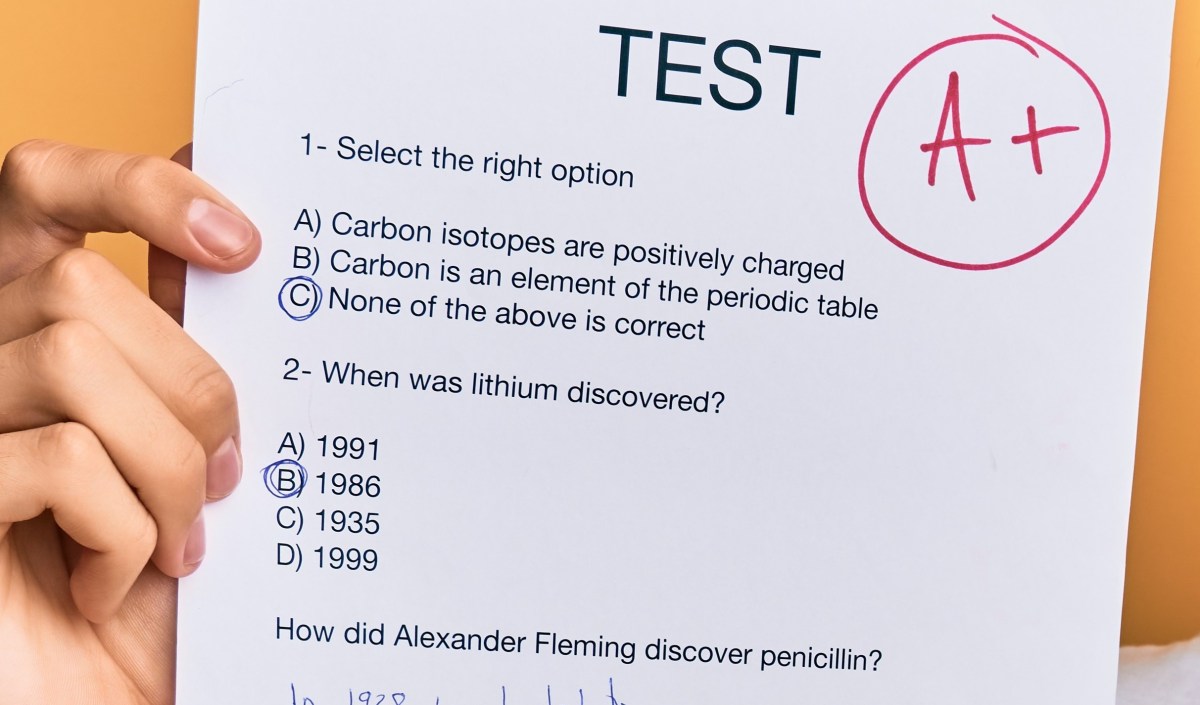
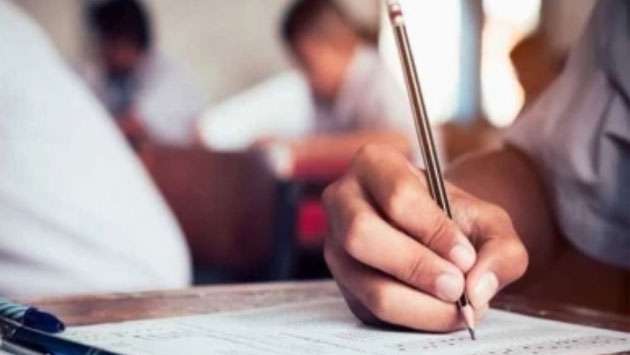
For many Sri Lankan students, the Advanced Level (O/L) exams feel like the single most important moment in life. Weeks of late-night studying, endless past papers, and pressure from tuition teachers and family build up to a few hours in an exam hall. The tension is real. The stress is heavy. And the weight of expectations can feel crushing.

When the exams are over, a strange mix of relief and anxiety takes over. Some students celebrate immediately, while others replay every mistake in their minds. Even if you gave your best, you might feel unsure, insecure, or “not good enough.”

Here’s the truth: the pressure you feel is real but so is your potential. And the difference between feeling stuck and moving forward lies in perspective, mindset and action.

Your A/Ls Don’t Define Who You Are

It’s easy to assume that a set of exam marks determines your intelligence, your worth, or your future. In Sri Lanka, this idea is reinforced everywhere, from conversations at home to casual comments at school.

But the truth is, O/L results are just one measure of performance under exam conditions. They don’t capture your creativity, problem-solving skills, resilience, or ability to learn from mistakes. These qualities are what truly shape your future. Your potential is far bigger than any grade.

Pause Before Big Decisions

Immediately after A/Ls, many students feel rushed to make choices about foundation courses or career paths. The pressure to decide can be overwhelming.

Instead of acting impulsively, pause and reflect. Ask yourself:

  • Which subjects genuinely interest me?
  • What kind of career or lifestyle do I see for myself?
  • Which skills do I want to develop over the next few years?

This pause isn’t wasting time; it’s an investment in your potential. Thoughtful decisions now will create better opportunities later.

Build Skills That Go Beyond Marks

Even if your results weren’t perfect, your potential can be realized by building skills that grades can’t capture. Consider:

  • Improving English communication skills through writing, reading, and conversation
  • Learning digital skills like coding, graphic design, or social media management
  • Participating in clubs, volunteer work, or creative projects
  • Developing hobbies that enhance problem-solving and creativity

By investing in these skills, you’re creating opportunities that no exam score can measure.

It’s tempting to compare yourself to friends who excelled in A/Ls. But remember: everyone’s journey is different. Some students who struggled now thrive in university, business, or creative fields. Others who excelled may later discover their strengths lie elsewhere.

Focus on yourself. Take small, consistent actions to grow, learn, and improve. Your potential unfolds through effort, persistence, and smart decisions, not by waiting for external validation.

Remember: the students who move forward, even when they feel uncertain, are the ones who ultimately succeed.
The Gap Between Local and International Education

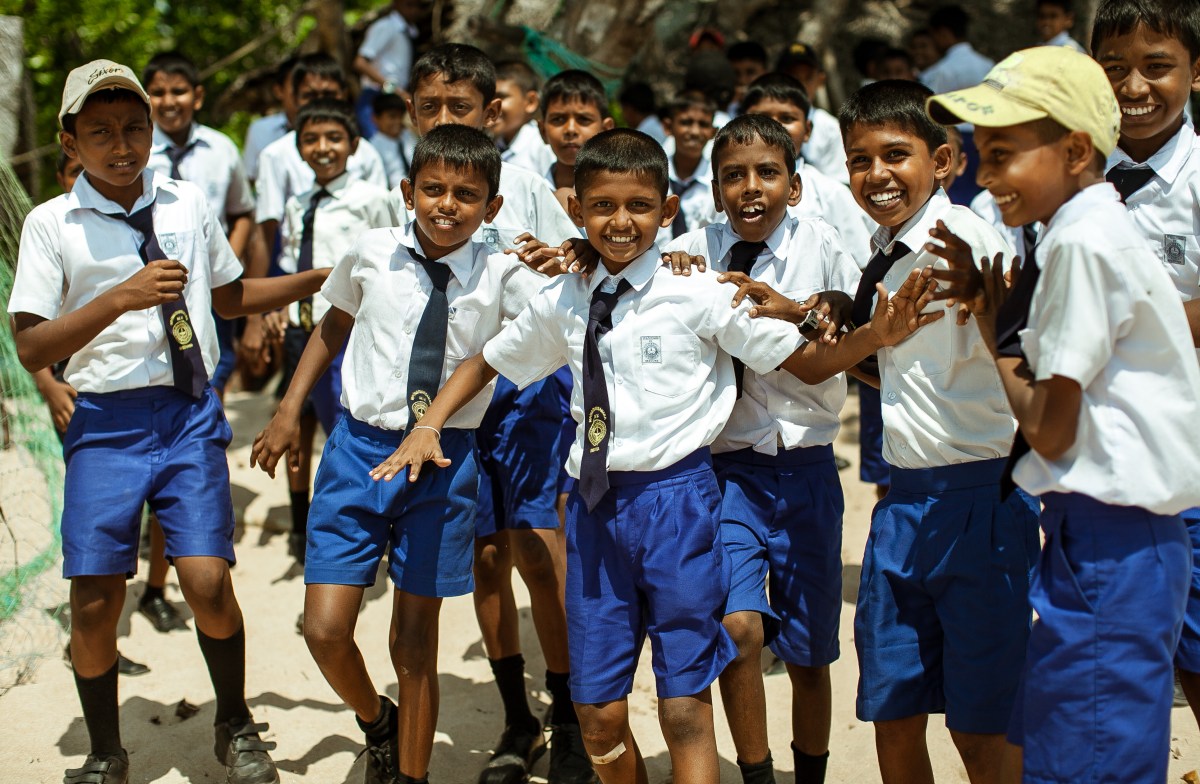
Sri Lanka is often proud of its “free education” system and high literacy rates. Yet beneath these numbers lies an education system struggling with language barriers, structural bottlenecks, inequality, and outdated practices. Without proper reform, these problems have been deepening and limiting the school children’s knowledge, hindering their personal as well as professional success.

Let’s properly address this gap.

1. English Proficiency: A National Bottleneck

Though in government schools, basic English is taught from early grades, true proficiency remains low. Only about 22% of Sri Lankan adults are literate in English, which severely limits access to global knowledge, research, and digital resources that are overwhelmingly in English.

Moreover, 87% of schoolchildren lack access to trained English teachers, especially in rural and estate areas, leaving vast swathes of students behind. This creates a self-reinforcing cycle where students’ English is only examined in the English subject,restricting them from truly learning English. This lack of exposure continues to trouble students even after entering higher studies because university instruction is largely English-based. Many undergraduates feel like entering a whole new world that heavily requires a good agency over English. Also, up-to-date materials, and technology become inaccessible to them because their English skills were never developed.

International schools ,on the other hand, typically use English as the primary language of instruction from the very beginning, meaning students learn subjects like Math, Science, History, and even classroom communication entirely in English. This immersion method helps students develop fluency naturally, as they are constantly reading, writing, speaking, and thinking in English throughout the day.

Teachers are often trained in international curricula such as Cambridge or IB, where English proficiency is essential, and classrooms encourage discussions, presentations, and critical thinking in English. As a result, students’ access to the world beyond traditional and narrow learning techniques gets broader day by day.

Proficiency in English is not just about language; it’s about access, opportunity, and equity. That’s why teaching English properly is just as important as teaching one’s mother-tongue.

2. The O/L-A/L System Creates Delay and Inequality

Sri Lanka’s school system is heavily exam-centric, culminating in the G.C.E. Advanced Level (A/L), through which only a small fraction gain entry into universities. Government schools sole purpose is to guide their students score high marks for major examinations. This ultimately makes these students puppets that act according to the puppeteers’ commands. Because of this, there are students repeating A/Ls multiple times, delayed entry into the workforce (often finishing university years later than global peers) and private tuition dependence as a de facto pathway to passing exams.

This effect doe not seem to be practised in international schools and that deepens inequality: children from wealthy families (who can afford international edcation) are far more likely to succeed than those from poorer regions.

3. Resources and Teaching Methods

Another major difference lies in resources and teaching methods. International schools generally have better facilities such as modern classrooms, digital learning tools, updated libraries, smaller class sizes, and teachers trained in global curricula. Their teaching style is often interactive and student-centered, focusing on discussions, presentations, critical thinking, and practical application of lessons.

In contrast, many government schools face limited resources, larger classrooms, and fewer technological tools. Teaching is often more exam-oriented and lecture-based, with greater emphasis on memorization rather than skill development. This difference in infrastructure and approach can significantly affect the overall learning experience and student outcomes.

What Real Reform Could Look Like

Schools can prioritize English language from early grades where creating true bilingual capability, not just “English subject” would open access to global information and opportunities.

Rethinking the A/L gatekeeper model is also equally essential because combining or replacing A/Ls with broader pathways like credit-based systems, modular evaluation, community college preparation guide students to build wider competencies instead of memorizing to pass a high-stakes exam.

Integrating broader core learning, including critical thinking, foundational science, digital literacy, and humanities earlier, across streams, would help students become more adaptable globally.

Schools should also democratize digital & online resources where high-quality learning content (in both English and Sinhala) are available free online, paired with in-school guided implementation that could reduce dependence on costly tuition and support equity.

Sri Lanka’s education system still carries structural legacies of a centralized, exam-oriented model that doesn’t reflect the needs of the 21st century economy. Language barriers, inequality, and outdated practices collectively limit the nation’s potential.

Related Reads:

Struggling at University? You’re Not Alone and No One Talks About This Enough

For many students in Sri Lanka, getting into university is supposed to be the dream. Years of exams, pressure, sacrifices, all leading to one moment of success. But once the excitement fades, reality hits hard.

Behind the lecture halls and graduation photos, thousands of university students are quietly struggling, academically, financially, mentally, and emotionally. And most of the time, they feel like they’re the only ones going through it. They’re not.

The Pressure Nobody Warned You About

University life isn’t just about lectures and exams. It’s about surviving a system that often feels unprepared for the students it serves. Overcrowded classrooms.
limited access to resources and outdated teaching methods. Many students want to learn but the environment makes it harder than it should be.

Financial Stress That Never Takes a Break

For students from low- and middle-income families, university life comes with constant worry. Rent. Transport. Food. Printing notes. Internet costs. Even state universities aren’t truly “free” anymore. Financial stress doesn’t just affect wallets, it affects concentration, confidence, and mental health.

“What Am I Even Doing This Degree For?”

One of the most common, yet rarely discussed struggles is uncertainty about the future. Many students enter degree programs without proper career guidance. Years later, they’re stuck asking:

  • Will this degree get me a job?
  • Am I wasting my time?
  • What skills do employers actually want?

The silence around these questions makes students feel lost and anxious.

Mental Health: The Quiet Crisis

Academic pressure, family expectations, social comparison, and financial struggles all pile up and with that comes: Anxiety. Burnout. Loneliness. Yet mental health support on campuses is often limited or students are too afraid to ask for help because “everyone else seems fine.”

Spoiler: they’re not.

The Truth No One Says Out Loud

Struggling at university doesn’t mean you’re weak. Feeling lost doesn’t mean you’re failing and being confused about your future doesn’t mean you’re behind. It means the system needs to do better and students need honest conversations, real guidance, and practical support.

Students deserve more than just degrees; they deserve clarity, confidence, and real-world readiness.

Related Reads:

Why Good Grades Don’t Mean You’re Ready for the Real World

For generations, students have been taught the same formula for success: get good grades → get into a good college → get a good job → be successful. But as more people enter the workforce and life beyond school, it’s becoming clear that this equation is oversimplified and in some cases, misleading.

Grades measure academic performance, not life skills. Good grades typically reflect how well a student memorises information, follows instructions, and performs on tests. They don’t measure the practical skills most adults use daily in the workplace and in life, such as communication, decision-making, adaptability, and teamwork. Employers frequently report a noticeable gap in these areas among new graduates, even those with high academic scores. Studies show that many graduates lack skills like decision-making and teamwork that employers value most.

Real-world success depends on more than test scores. Research suggests that qualities such as resilience, creativity, emotional intelligence, and problem-solving often matter more than academic achievement alone. Psychologists like Angela Duckworth, author of Grit, argue that persistence and effort play a central role in life success, beyond innate ability or grades.

Similarly, educational critics point out that grading systems tend to reward conformity and compliance rather than curiosity and innovation, traits that are essential in today’s rapidly changing world.

Grades don’t predict leadership or creativity. A key weakness of traditional grading is that it rewards doing what is expected, not pioneering what is possible. Research highlighted by analysts like Eric Barker shows that top academic performers often excel at structured tasks but are no more likely than others to become innovators or leaders who reshape industries or solve complex societal problems.

Life Skills Aren’t Taught in a Classroom – They Are Practised

Many real-world skills like stress management, conflict resolution, financial planning, self-management, the ability to adapt to uncertainty, simply aren’t part of standard school grading. An article exploring shortcomings in school preparation points out that independence and self-management are assumed, not taught in most education systems, leading to young adults who struggle when structure disappears.

Luck, environment and opportunity matter too. Beyond personal attributes, research also shows that randomness and opportunity play a significant role in life outcomes. Some of the most successful individuals were not top academic performers early in life, but caught the right breaks, developed niche skills, or adapted to opportunities in ways that school tests simply do not measure.

Grades can open doors but they don’t keep them open!

It’s worth noting that grades do matter in certain contexts. Strong academic performance can help students get into universities and professional schools, and it does signal dedication and discipline to some employers. For many people, good grades are still valuable as a starting point, or as a way to access opportunities. But they are not a guarantee of long-term success and they shouldn’t be mistaken for a complete preparation for life beyond school.

Good grades are a useful indicator of academic effort and knowledge but they don’t measure the soft skills, adaptability, creativity, and resilience that make someone ready for the real world. Grades can open doors, but real-world success depends on a broader set of qualities that schools and employers increasingly value.

“UNESCO and Huawei to Support Smart Classrooms in Sri Lanka”: PM – should This be The Real Priority?

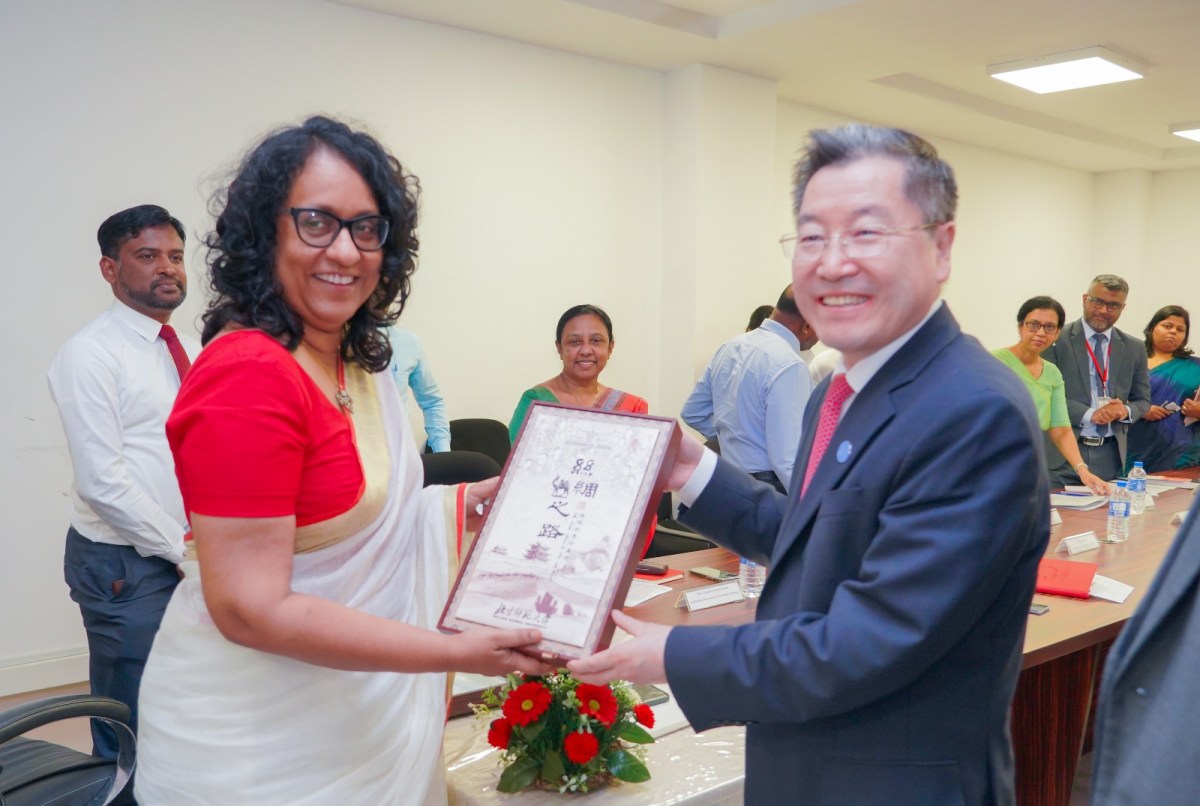
Speaking during a discussion held recently at the Ministry of Education with representatives from Huawei Technologies and the UNESCO International Research and Training Centre for Rural Education (UNESCO-INRULED), the Prime Minister Dr. Harini Amarasuriya emphasized the need to use foreign educational assistance in the most effective manner for the wellbeing of students.

She stated that the Ministry of Education and the Digitalisation Task Force should jointly launch a coordinated programme to ensure that digital equipment, including interactive display panels required for smart classrooms, is distributed systematically and equitably among schools. Special attention, as she noted, must be given to rural areas to reduce educational disparities.

This evidently signals a clear intention to modernise classrooms, particularly in rural areas. Interactive screens, smart classroom tools, and teacher training programmes are being positioned as key solutions to bridge long-standing educational gaps. On paper, it sounds like progress. But an important question remains: are digital tools what Sri Lankan classrooms need most right now?

There is little doubt that technology can enhance learning when used thoughtfully. Interactive displays can make lessons more engaging, digital content can widen exposure, and trained teachers can use technology to explain complex concepts more effectively. For rural schools that have long been under-resourced, such initiatives also represent recognition and long-overdue attention.

Yet, the reality inside many classrooms tells a more complicated story.

Across the country, thousands of students still struggle with basic access to textbooks, libraries, and reading materials. In some schools, book shortages persist and reading corners are nonexistent. For younger students especially, foundational learning depends less on screens and more on books they can hold, reread, annotate, and truly engage with because literacy, comprehension, and critical thinking are still built page by page.

This raises a critical concern: does introducing advanced digital equipment risk addressing the future before securing the basics?

Digital tools are only as effective as the systems that support them. Maintenance, internet access, and trained teachers and technical staff are not evenly available across schools. Even with teacher training underway, the long-term sustainability of smart classrooms depends on continuous funding, technical support, and clear usage policies. The education system is still learning to manage these challenges.

The government’s emphasis on child safety frameworks and age-appropriate digital use is a welcome and necessary step. It acknowledges global concerns around screen time, distraction, and digital dependency. Still, regulation alone cannot replace the deep learning that comes from quiet reading, sustained attention, and access to quality printed material.

This does not mean Sri Lanka should turn away from digitalisation. Rather, it suggests the need for balance. Technology should complement education, not overshadow its foundations. A smart classroom without books risks becoming a visually impressive space that lacks depth. Conversely, a classroom rich in books but supported by selective, purposeful technology may offer students the best of both worlds.

As foreign-funded digital initiatives move forward, policymakers may need to ask a simpler, student-centred question:
Are we building classrooms that look modern or classrooms that help children learn better?

True educational progress may lie not in choosing between screens and books, but in ensuring that every child and teacher first has access to the essentials, before being introduced to the extras.

Which European Country has the Best Education System?

Europe boasts strong schools, but one country stands out. Recent studies rank Estonia as number one for education quality and access. It scores a whopping 91.86 out of 100 which is way ahead of others. Curious why? Let’s dive into the details, from top test scores to smart daily routines.

Why Estonia Leads the Pack

Estonia shines in the Programme for International Student Assessment (PISA), run by the OECD. This tests 15-year-olds in math, reading, and science.

  • Top PISA marks: Estonia leads Europe with 509.95 in math, 511 in reading, and 525.81 in science.

  • Long school time: Kids average 13.55 years in education, plenty of time to build skills.

  • Smart spending: Government puts 14.35% of its budget into schools, fueling quality classes and tools.

  • Daily rhythm: School starts at 8 a.m., ends at 3 p.m. Lessons last 45 minutes with 10-minute breaks keeping young minds fresh, not fried.

This mix creates sharp thinkers ready for real-world challenges.

Close Rivals: Top 5 Breakdown

Estonia isn’t alone at the top. Here’s how the next best stack up:

RankCountryScore (Quality/Access)Key StrengthsSchool Day Notes
1Estonia91.861 in Math/Science PISA8am-3pm, short lessons + breaks
2Switzerland84.922 Math PISA8:30am-3:30pm, long lunch, Wed off
3Ireland84.781 reading PISA5h40m primary day incl. breaks
4United Kingdom81.90Strong science PISA8:30am-3pm, 45-min lunch
5Finland81.55#2 science PISAShort 5-hour days, 8am-2pm

The UK hits 4th with solid science scores and 13.41 years average schooling, but spends less (10.56%) whereas Finland keeps days short for balance.

What gives Estonia its sharp edge in education?

It’s all about smart choices, not just more hours. The country pours serious money into schools which is 14.35% of the national budget, ensuring modern classrooms, trained teachers, and cutting-edge tools like digital learning platforms that make lessons interactive and fun.

School days strike a perfect balance: starting fresh at 8 a.m. and wrapping by 3 p.m., with 45-minute classes broken by quick 10 -minute rests, something Sri Lankan school system lacks severely. This prevents burnout, letting kids absorb more without exhaustion, leading to those sky-high PISA scores (top in math and science across Europe).

Credits: