The Finnish education system consists of early childhood education and care, pre-primary education, primary and lower secondary education (basic education), general upper secondary education, vocational education, higher education, and adult education. In Sri Lanka, we have Primary Education, Middle Education, Secondary Education, Vocational Education, and Tertiary Education.
Why Finnish Education is the best?
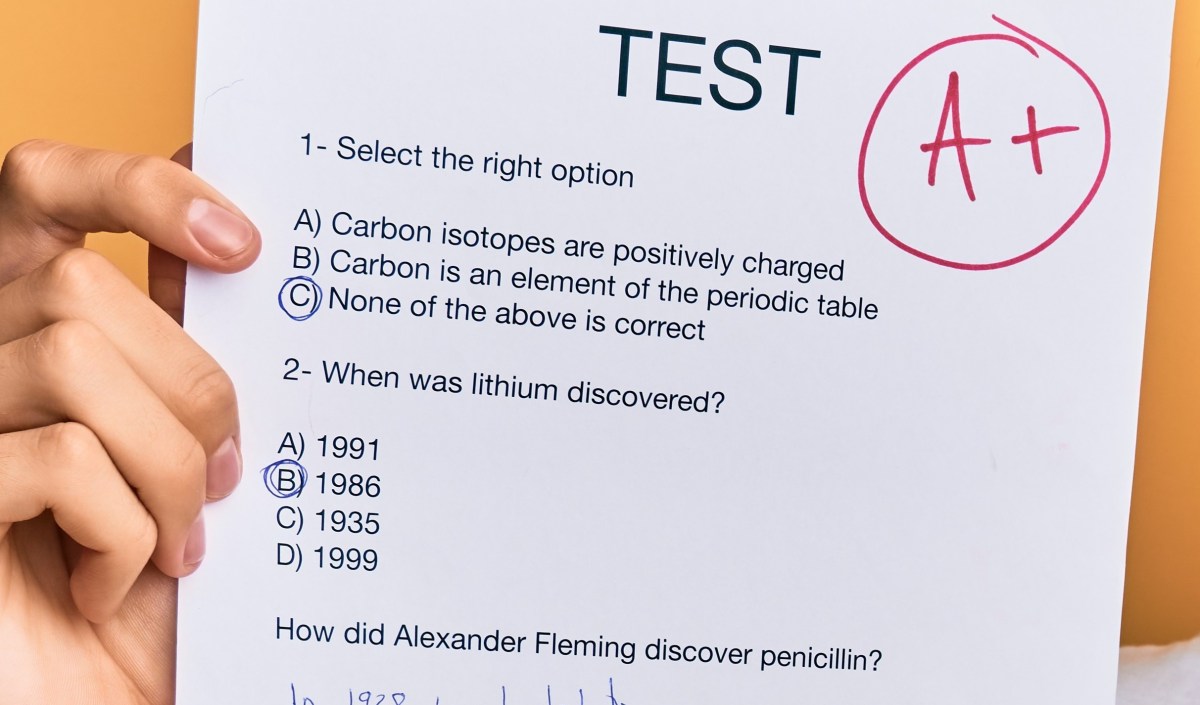
One of the most distinctive features of the Finnish education system is its strong dedication to equality. In Finland, standardised tests are not used until puberty. This contrasts with Sri Lanka because children are required to face exams in their early school years.
Their emphasis is on guaranteeing that every student, irrespective of their financial status, has a top-notch education. International results demonstrate this philosophy: Finland has long been among the top nations in the PISA report (Programme for International Student Assessment), particularly in reading comprehension. Finland is ranked sixth in the world among participating nations for reading comprehension, according to the most recent report (2022).
The National Human Resources Development Council (NHRDC) of Sri Lanka’s 2023 Statistical Bulletin reveals that the number of students dropping out of school after the G.C.E. Ordinary Level (O/L) exam has been gradually rising because 76,390 students dropped out of school after passing the O/L exam in the 2022–2023 school year alone, underscoring an increasing difficulty in keeping students in the educational system.
Unlike in Sri Lanka, In Finland, a more inclusive society has resulted from educational equality. According to OECD data, Finland has one of the lowest rates of child poverty in Europe with less than 5% of children living in extreme poverty. This means that the Finnish system fosters social cohesiveness as well as intellectual achievement, lowering any disparities among its participants.
Additionally, compared to Sri Lanka, where children begin preschool at the age of three, formal education in Finland starts at age seven. However, Finnish students’ performance has not suffered as a result of this delayed method to teaching reading and writing. Finland actually has one of the highest reading competence rates in the world. According to the 2018 PISA report, 90% of Finnish 15-year-olds attained a minimal level of reading competency, which is significantly higher than the OECD average of 67%.
With one of the highest rates of postsecondary education in the OECD (44% of Finns aged 25 to 34), Finland has one of the most educated populations in the world.
Sri Lanka is often praised for its high literacy rate of 92% but at what cost has this success been attained? Behind these impressive statistics, children still face often-overlooked realities such as poverty, financial hardships, unequal access to educational opportunities and intense academic pressure. These statistics do not fully capture the challenges and inequalities because these systemic barriers continue to affect students where they have to stay silent and suppressed in order to continue their educational journey.
Another feature that set the Finnish educational system apart is its emphasis on a balance between class and playtime. Finland has shorter school days than countries like Sri Lanka, South Korea or Japan. Compared to the customary 30–40 hours in such countries, Finnish students attend classes for an average of 20 hours per week. The child’s general development is aided by the extra time spent on play and extracurricular activities. According to the World Health Organization (WHO), these activities improve young people’s social and creative abilities as well as their physical and mental health.
Finland’s highly trained teachers are another key pillar in the country’s educational achievements. Only individuals with the highest secondary school marks are eligible to pursue a profession in teaching due to the stringent screening process. Furthermore, a master’s degree in pedagogy is held by 60% of Finnish educators, guaranteeing a high degree of preparation. Finland has one of the highest percentages of highly qualified instructors, according to an OECD survey. This emphasis on ongoing professional development and teacher autonomy has enabled each teacher to modify their instructions to meet unique requirements of their students, which has been shown to improve academic results.
Sri Lanka’s situation with teachers has been tragic for years for many reasons. While the system boasts pedagogically competent teachers, there are also teachers with minimal qualifications and in terms of affordability, many private institutions hire teachers at lower salaries rather than hiring high-performing teachers. Teachers who are knowledgeable about what they teach are also trapped in a traditional system with a heavy syllabus that has to be covered within a strict timeframe, making it difficult for them to adopt creative or unconventional methods of teaching students.
These two systems illustrate two contrasting approaches: the Finnish model emphasises equity, creativity, and critical thinking to improve children’s learning journeys while the Sri Lankan model prioritises exam performance, syllabus completion, and university entrance at the expense of students’ well-being, creativity and critical thinking.
Thus, there is still hope for Sri Lanka to prioritize students’ well-being by adopting Finland’s fundamental values of equality and autonomy because although the two countries differ in their cultural, social and economic contexts, embracing these principles could help create a more inclusive and student-centred education system in Sri Lanka.