For many Sri Lankan students, the Advanced Level (O/L) exams feel like the single most important moment in life. Weeks of late-night studying, endless past papers, and pressure from tuition teachers and family build up to a few hours in an exam hall. The tension is real. The stress is heavy. And the weight of expectations can feel crushing.
When the exams are over, a strange mix of relief and anxiety takes over. Some students celebrate immediately, while others replay every mistake in their minds. Even if you gave your best, you might feel unsure, insecure, or “not good enough.”
Here’s the truth: the pressure you feel is real but so is your potential. And the difference between feeling stuck and moving forward lies in perspective, mindset and action.
Your A/Ls Don’t Define Who You Are
It’s easy to assume that a set of exam marks determines your intelligence, your worth, or your future. In Sri Lanka, this idea is reinforced everywhere, from conversations at home to casual comments at school.
But the truth is, O/L results are just one measure of performance under exam conditions. They don’t capture your creativity, problem-solving skills, resilience, or ability to learn from mistakes. These qualities are what truly shape your future. Your potential is far bigger than any grade.
Pause Before Big Decisions
Immediately after A/Ls, many students feel rushed to make choices about foundation courses or career paths. The pressure to decide can be overwhelming.
Instead of acting impulsively, pause and reflect. Ask yourself:
Which subjects genuinely interest me?
What kind of career or lifestyle do I see for myself?
Which skills do I want to develop over the next few years?
This pause isn’t wasting time; it’s an investment in your potential. Thoughtful decisions now will create better opportunities later.
Build Skills That Go Beyond Marks
Even if your results weren’t perfect, your potential can be realized by building skills that grades can’t capture. Consider:
Improving English communication skills through writing, reading, and conversation
Learning digital skills like coding, graphic design, or social media management
Participating in clubs, volunteer work, or creative projects
Developing hobbies that enhance problem-solving and creativity
By investing in these skills, you’re creating opportunities that no exam score can measure.
It’s tempting to compare yourself to friends who excelled in A/Ls. But remember: everyone’s journey is different. Some students who struggled now thrive in university, business, or creative fields. Others who excelled may later discover their strengths lie elsewhere.
Focus on yourself. Take small, consistent actions to grow, learn, and improve. Your potential unfolds through effort, persistence, and smart decisions, not by waiting for external validation.
Remember: the students who move forward, even when they feel uncertain, are the ones who ultimately succeed.
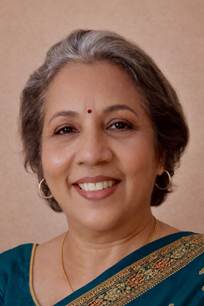
Dr. Dharshi Jayasekera is one of the well-known naturapathic practitioners in Sri Lanka and her practice integrates Ayurveda, conscious breathing, acupuncture and yoga, all rooted in her belief that true healing begins with self-awareness.
Dr. Dharshi’s journey into healing was never conventional. In her early years, she pursued a career as a primary teacher, teaching children between the ages 8 and 12. When we asked how she knew that she had the healing abilities, she reflected on how people often felt their pain ease through her therapeutic touch. She clarified that it was not something mystical or “possessed”, rather, it was about understanding the body, creating awareness and applying precise therapeutic touch to the right areas to help the pain ease naturally.
When Life Had Other Plans for Her
During her time in education, she was diagnosed with rheumatoid arthritis affecting her hip joint and making it extremely painful to walk or even sit for long periods. At the same time, she was facing other health complications, including thalassemia and womb-related issues. She recalled that Western Medicine offered little relief and doctors were unable to provide a long-term solution to her condition at the time.
No one, at the time, could have imagined that these painful health struggles would become the very turning point that guided her toward her true calling.
Dr. Dharshi explained to us that during this difficult period of her life, a friend introduced her to meditation. At the time, Dr. Dharshi was a devout Christian and had even spent 8 years as a “Servant of God” before becoming a teacher. Therefore, meditation was unfamiliar territory for her. Yet, her years in religious life had already made her powerful, particularly with the practice of praying deeply for others. But then, when she realized that praying for the well-being of others alone does not satisfy her salvation to find herself, she started her journey into meditation.
Her Journey from Faith to Inner Awakening
When she was introduced to meditation, her journey deepened. She travelled to India and completed a 10-day Vipassana meditation program at Igatpur, Mumbai. There, she learned discipline, self-observation and a fundamental truth: meditation has nothing to do with the outside world and it is entirely an inward journey.
It was also during this time that she was introduced to yoga; something she had never encountered/heard before. In 2007, yoga was still not widely discussed in her circles but she later had the rare opportunity to learn directly under Sadhguru at the Isha Foundation, India, completing an intensive 21-day program that included strict yogic practices and a vegetarian discipline.
What she experienced during this period was transformative. She recalls witnessing her body heal the pain that once restricted her from any movement. For the first time in years, she felt completely free within her own body through what she had been learning.
Returning to Sri Lanka, she began teaching yoga. For her, yoga was not just physical exercise; it was a science of calming the body, disciplining the mind, and sharpening concentration. Curious about her own transformation, she pursued further studies in yoga therapy and naturopathy at S-VYASA University, Bengaluru.
While studying in Bengaluru, she was learning under the guidance of Shri Shri Ravishankar. There, she refined her Pranayama techniques and with every lesson, every retreat, she felt her life unfolding in a “new form”, which is clearer, lighter and more purposeful.
Her Journey Did Not Stop There
She immersed herself in Pranayama (conscious breathing techniques), recalling her guru’s words: “If you don’t breathe properly and connect with your breathing, you’re disconnected from life itself.” This realization led her to deepen her practice in Anapana meditation, a form of breath awareness.
She also completed more than fifteen 10-day Vipassana retreats, each time reconnecting more deeply with herself. And she believes that everything required for holistic healing, including mind, body and spirit is interconnected through conscious breathing.
In 2013, she came back to Sri Lanka and started teaching Yoga as a Yoga instructor and today, many of her earliest yoga students remain with her. These individuals who began their journey years ago as young students are now in their 70s and 80s.
Remarkably, many of them live without any chronic pain and without dependency on medication. They maintain impressive physical flexibility and mental clarity as well.
Healing With Awareness: Yoga, Breath, and the Art of Pulse Diagnosis
When Dr. Dharshi decided to formally practice naturopathy, she faced a major challenge: Sri Lanka did not yet have a licensing system for the field. Determined to pursue her calling, she enrolled in a degree in Ayurveda at ITCM in Gampaha to get the certificates necessary to obtain the official license. She expanded her skills by learning cupping and acupuncture under Dr. Tennakoon from the Colombo Ayurvedic Hospital.
Though she is trained in multiple modalities, she highlighted that her mainstream practice focuses on Yoga, breathing techniques, acupuncture and Ayurveda, particularly in treating heart patients.
“There are many people who were advised to undergo heart surgery by doctors,” she shared, “they come to me and through breathing techniques, I have helped them release heart blockages naturally.”
Dr. Dharshi also possesses an extraordinary ability: pulse diagnosis. With no formal training, she accurately reads a patient’s pulse, intuitively determines where the problem lies in their body and advices how to heal it. When doing so, she clarifies that this is not a supernatural power or possession. Her practice is rooted in self-awareness, meditation and breathing, while she maintains deep respect for all religions equally.
“I believe in Dhamma and I strive to discipline myself according to Seela (moral conduct). This discipline extends to my patients when they come to me. Regardless of their occupation, I become their servant. I touch each of them with respect, love, empathy and focus to the extent that it allows me to truly feel what they are experiencing,” she explained.
One favor she asks from everyone reading this article, ” If you have a tree at home, start loving that tree loudly and dearly and whenever you are tensed or your health struggles seem to overpower you, hug that tree. The relief you’ll feel is unimaginable and inexplicable. You will heal yourself through the love you and your tree develop towards each other.”
For Dr. Dharshi, healing was never about miracles. It was about awareness, discipline, breath and reconnecting to the intelligence of the body.
She conducts group healing sessions, travelling to small villages to teach topics such as pelvic awareness. She emphasizes practical education and is always open to discussions.
For those interested in learning from her or arranging a session, she warmly invites you to contact her directly to explore how her teachings and therapies can support your well-being.
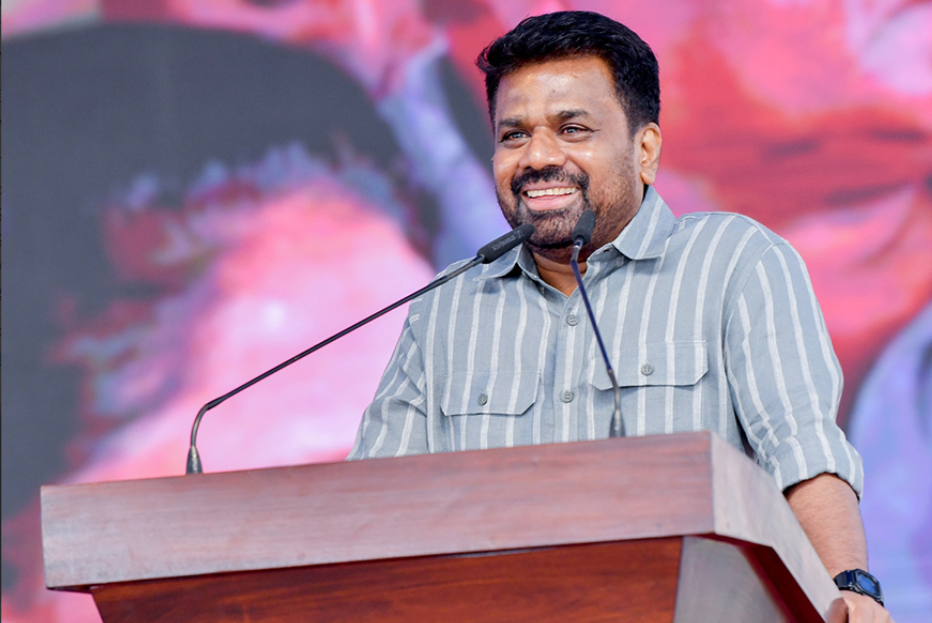
“We are building a country where no child becomes a victim of the drug menace”, stated the President.
President Anura Kumara Dissanayake delivered a powerful message during the Central Province launch of the “A Nation United” anti-drug campaign, emphasizing that this year will breathe life into the principle of equality before the law. He warned that when the rule of law collapses, it hands power to criminals, stifling national development and trapping citizens in poverty. This speech underscores a pivotal shift for Sri Lanka, blending anti-drug efforts with broader governance reforms.
The initiative, “A Nation United” rallies political leaders, tri-forces, police, and communities to eradicate drug networks through arrests, awareness drives, and rehabilitation programs. Key achievements include over 91,000 suspects apprehended, 1,818 held in long-term detention, and 1,566 individuals referred for rehab since its start. Notably, 62 police officers in Nuwara Eliya received commendations for their frontline efforts.
Educationally, this campaign teaches the ripple effects of drugs: they fuel street crime, breed corruption, and even infiltrate politics, eroding societal trust. By involving religious leaders, teachers, and parents, it promotes collective responsibility, showing young people that vigilance at home and school prevents addiction’s grip.
The President stressed that true equality means no one, regardless of status, escapes justice, a lesson drawn from past failures where impunity bred chaos. This principle isn’t just legal; it’s economic. A stable rule of law attracts investment, reduces crime-related costs, and empowers citizens to thrive. For students and educators, it’s a real-world civics lesson: strong institutions protect the vulnerable and pave the way for innovation.
Reflecting on recent crises like Cyclone Ditwah, which caused 4.1 billion US dollars in damage, the President highlighted funding reconstruction without new debt, a model of prudent governance. Future plans include a non-aligned foreign policy to safeguard sovereignty, a Rs. 330 billion public service salary increase for efficiency, and enhanced allowances for armed forces after 2027.
Do you ever feel like everyone else is moving ahead while you are somehow falling behind? Like the clock is ticking louder for you than for everyone else? Though this can come from career milestones, relationships, financial stability, academic achievements, or personal goals, the pressure to “be somewhere” by a certain age has quietly become one of the most stressful burdens of modern life.
If you feel like you are running out of time, you are not alone. But more importantly, you may not actually be behind.
The Illusion of the Timeline
From a young age, we are subtly handed a timeline. Graduate by this age. Get a stable job by that age. Be successful before 30. Build something impressive before 40. These expectations are rarely questioned, yet they shape how we measure our worth. Social media amplifies this pressure by constantly showcasing highlight reels of other people’s achievements, making it seem as though success has a universal deadline.
The problem is that life does not operate on a fixed schedule. Timelines are social constructs, not biological truths. People grow, succeed, fail, restart, and reinvent themselves at dramatically different stages of life. Comparing your chapter three to someone else’s chapter ten creates unnecessary anxiety.
Why the Feeling Feels So Real
The sensation of “running out of time” is often rooted in fear, fear of missed opportunities, fear of regret, fear of being judged, or fear of not reaching your potential. When we constantly think about what we have not done yet, our brain shifts into threat mode. This creates urgency, stress, and self-doubt.
Ironically, this mental pressure can slow progress. Instead of focusing on meaningful action, we become overwhelmed by the gap between where we are and where we think we should be. The more we panic about time, the less effectively we use it.
Productivity Is Not the Same as Purpose
Another reason this feeling persists is the confusion between busyness and progress. Being constantly busy can create the illusion that we are moving forward, but not all activity leads to growth. When we chase productivity without clarity, we exhaust ourselves while still feeling behind.
True progress begins when you define what actually matters to you. Are your goals genuinely yours, or are they shaped by external expectations? When your direction is aligned with your values, the pressure of time begins to lose its intensity.
You Are Not Late; You Are Learning
Every phase of life teaches something essential. Periods of uncertainty build resilience. Detours develop perspective. Slow seasons create clarity. What may feel like “lost time” often becomes foundational experience later.
Many successful individuals reached their breakthroughs later than society would consider ideal. Some changed careers in their 40s or 50s. Others discovered their purpose after years of confusion. Growth is rarely linear, and progress is rarely visible in real time.
Reclaim Your Sense of Time
Instead of asking, “Am I running out of time?” try asking, “What can I do with the time I have today?” Shifting from fear to intention changes everything.
Start by narrowing your focus. You do not need to fix your entire life this year. You need to move one meaningful step forward today. When you concentrate on small, consistent actions rather than distant outcomes, time begins to feel like an ally instead of an enemy.
Reduce comparison where possible. Curate your digital environment. Spend more time measuring yourself against your past version rather than someone else’s present highlight.
Most importantly, give yourself permission to grow at your own pace. Life is not a race with a universal finish line. It is a personal journey with different routes, speeds, and destinations.
Why do some couples survive explosive fights while others slowly fall apart? It’s not because they fight less. It’s not because they “found the perfect person” and it’s definitely not because they agree on everything.
According to world-renowned psychologist Dr. John Gottman, the real difference comes down to something surprisingly simple: How quickly they recover.
The Hidden Danger After an Argument
When couples argue, their bodies react as if they’re facing a real threat. Heart rate increases. Stress hormones flood the system. The nervous system shifts into fight-or-flight mode.
And the problem happens when the longer you stay in that heightened state, the harder it becomes to feel empathy, listen properly, solve problems and offer emotional repair. Your body starts treating your partner like the enemy, even if your heart knows they aren’t.
Gottman’s research found that couples who remained physiologically activated after conflict experienced steep drops in relationship satisfaction over time. It wasn’t the argument that destroyed them.
It was the lack of recovery.
The 20-Minute Reset That Changes Everything
The helpful part is couples who took just 20 minutes to calm their nervous system were able to return to the conversation regulated and emotionally available.
Twenty minutes of
Not ignoring the issue. Not suppressing feelings. Not walking away forever.
Just pausing long enough for the body to reset.
When your nervous system calms down, empathy becomes accessible again, you can actually hear what your partner is saying, repair becomes possible and connection can rebuild. So, instead of trying to win the argument, you protect the relationship.
With Valentine’s Day Around the Corner…
Everyone talks about flowers, gifts, and romantic dinners. But the healthiest relationships aren’t built on one perfect day.
They’re built on moments like choosing to pause, choosing to regulate and choosing to repair.
So instead of proving your point this Valentine’s, try proving your commitment and the next time an argument escalates, say: “Let’s take 20 minutes and come back to this.”
That one sentence might be more powerful than any grand gesture.
Love is not all about grand gestures and sweet talks. It’s about learning how to return to each other after fights and choose to repair what just got broken. The strongest couples aren’t the ones who never fight. They’re the ones who know how to reset.
Struggling with fatigue, muscle cramps, or stress in the hustle of Colombo or Kandy life? Magnesium-rich local snacks can recharge you naturally, using everyday Sri Lankan ingredients straight from markets like Pettah or roadside vendors.
Magnesium supports nerve function, eases tension from long commutes, and fights deficiencies common in rice-heavy Sri Lankan diets. Adults need about 300-400mg daily; our picks deliver 50-150mg per serving. Grab these for quick boosts during festivals or work breaks.
Top 8 Local Magnesium Snacks
Pumpkin Seeds : Roast a handful (150mg magnesium/oz) with chili for a spicy crunch, perfect with tea.
Cashews : Fresh from Matale farms (80mg/oz), snack raw or in trail mix with local dried mango.
Mango with Chili: Slice ripe Ambul (75mg/cup) and sprinkle seeni sambol, sweet heat that beats imported bars.
Roasted Chickpeas (Kadala): Spice with curry leaves (80mg/cup), a street-food staple for sustained energy.
Coconut Sambol: Grated pol (50mg/serving) mixed with maldive fish, pairs with roti for 100mg boost.
Spinach Mallum: Quick wilted kankun (80mg/cup) with coconut, ideal lunchbox filler from home gardens.
Peanuts : Boiled or roasted (60mg/oz), toss with pol sambol for a budget-friendly hit.
Banana : Kolikuttu variety (30mg each) smeared with peanut butter, ubiquitous and muscle-soothing.
Regular intake helps regulate blood sugar, reducing cravings that derail diets. It eases PMS symptoms like bloating and mood swings by balancing hormones. Athletes benefit from faster recovery as magnesium aids protein synthesis and cuts inflammation. Long-term, it lowers risks of migraines, hypertension, and osteoporosis through better calcium absorption.
Start your day with almonds in oatmeal (adds 75mg). Mid-morning, grab edamame pods (100mg). Afternoon slump? Dark chocolate and banana (95mg total). Evening wind-down: Avocado half (45mg) curbs late-night munchies. Track intake via apps to hit 300mg+ effortlessly—combine two snacks daily for optimal results.
You can also pair with vitamin D sources like sunlight or fortified milk for better absorption. Hydrate well, as magnesium works with electrolytes. Those with kidney issues should consult doctors before ramping up intake. Experiment with flavors like cinnamon on seeds or chili on chickpeas can also keep it exciting.
Fuel your body right and notice sharper focus, calmer nerves, and vibrant energy within days.
“Drug addicts should be referred to proper rehabilitation centers. Special attention must be paid to the environment around schools and the intervention of the Sri Lanka Police in this regard is extremely important.”
This statement was made during a meeting, attended by officials from the National Authority on Tobacco and Alcohol, the National Dangerous Drugs Control Board, and the Ministry of Education, to discuss the issuance of a new circular on school-related drug prevention for the year 2026.
Is this Reform necessary? Will it curb Drug Use or let it persist?
Sri Lanka faces a growing drug crisis, especially near schools, where youth vulnerability is high. The proposed 2026 circular emphasizing rehab referrals, school-zone monitoring, and police involvement sounds proactive. But is it truly necessary and will it ambush drug use or just prolong the problem? Let’s break it down with evidence from regional trends and global parallels.
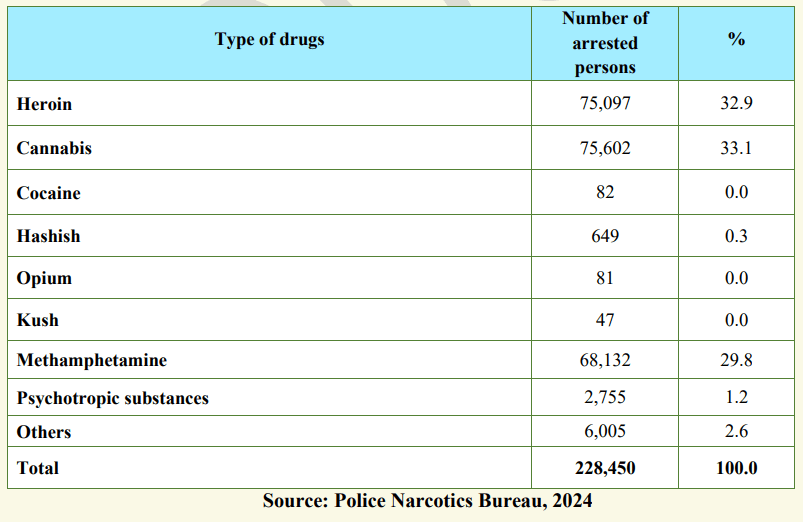
In 2024, arrests of youth possession according to Police data (2024) had a growing concern over the rise of synthetic drugs due to the reasons that there were no clear targeted reforms, schools became gateways and the quiet residential areas in Colombo turned into hotspots.
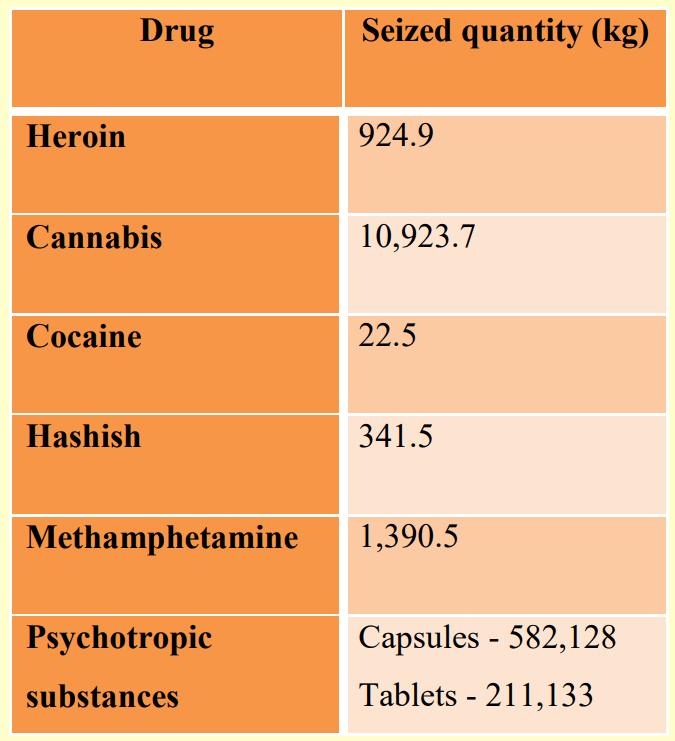
Then, these numbers changed into these in 2025 (January – July)
The two tables highlight one serious issue: the risk of children and urban adolescents being exposed to substances such as cannabis, heroin, and synthetic methamphetamine (ICE) continues to increase year after year, with no sign of decline, turning once-safe schools and neighbourhoods into targeted centres of drug transmission.
The Urgent Imperative
This initiative builds on past efforts. There were mandated awareness programs, initiatives and reforms but their enforcement lagged. A new reform for 2026, involving cross-agency collaboration (NDDCB, police, tobacco authority), tries to address these gaps by focusing on rehab over punishment, aligning with WHO guidelines. The focus of this imperative is holistic. The rehab referrals shift from criminalization to recovery, monitoring the above mentioned environments’ supply chains.
The meeting involved the National Authority on Tobacco and Alcohol (NATA), National Dangerous Drugs Control Board (NDDCB), and Education Ministry to draft a 2026 school-drug circular. This signals coordination especially with the inauguration of the National Mission ‘Ratama Ekata’ which can potentially handle the rising youth cases.
The Goal in Mind
Reforms like this often promise much but deliver little without teeth. One of the reasons why this could let drugs persist is the role of the police in controlling drugs through frequent raids that discourage local dealers. This effort is weakened by repeated corruption scandals such as the 2024 Navy methamphetamine trafficking cases which damage public trust and create perceptions of bias. At the same time, aggressive policing and raids can alienate vulnerable youth and push drug networks further underground.
Rehabilitation offers a more humane alternative by focusing on treatment rather than punishment. Yet access remains severely limited, with nationwide capacity at only about a few rehabilitation centres across the nation which ultimately questions rehabilitating every drug exposed is really possible and if these long waiting lists mean many referrals exist only on paper, not as real interventions.
Awareness campaigns aimed at protecting schools can help communities respond better, but the lack of dedicated funding for counseling leaves students exposed, making it harder to control through traditional policing.
Although the new circular calls for firm action, past experience raises concerns.
Police have reported that between January 1 and August 31, 2025, 206 children were taken into custody for drug-related offenses, though there were over 15,600 awareness programs being conducted to tackle the issue. This data reveals a troubling reality: previous initiatives often characterised by weak implementation of school drug prevention policies and limited involvement of principals and education offices may have contributed to worsening drug use among students.
This highlights the risk of repeating symbolic reforms without proper oversight, funding, and follow-through.
Therefore, before diving into these initiatives without considering their effects on the less visible aspects of society, it is imperative to conduct rigorous audits, provide teacher training, and implement community programs continuously to monitor both the decline and rise of drug use and to analyze ways in which these programs can be effectively implemented, not merely for the sake of doing so.
For many people in their twenties and thirties, weight gain doesn’t come from overeating alone. It builds quietly, through years of demanding physical labour, skipped meals followed by heavy dinners, sugary soft drinks to push through exhaustion, old injuries that never fully healed, and the unspoken belief that “I’ll worry about my health later.”
Then one day, something happens. A doctor’s warning. A frightening test result. A moment that makes you pause and realise that your body has been carrying far more than it should.
That’s usually where the real journey begins.
Why Hunger Feels Constant and Why it’s not Your Fault
When someone carries significant excess weight, hunger is often hormonal and metabolic, not a lack of willpower. Years of high sugar intake, especially from soft drinks, train the body to expect quick energy. Refined carbohydrates, white rice eaten in large portions, bakery items, and processed snacks spike blood sugar rapidly and cause it to crash just as fast.
That crash feels like:
Sudden hunger
Irritability
Fatigue
Cravings for more sugar
When movement becomes limited due to work or even knee pain, back injuries, or joint damage, the cycle intensifies. The body burns fewer calories, but hunger signals remain loud.
The solution is not eating less, but eating smarter foods that stay with you longer.
Choosing Snacks that Calm Hunger (Low Sodium and easy to eat)
While snacks like fresh fruits, plain curd, and boiled eggs are undeniably healthy and effective for weight loss, they often feel repetitive and uninspiring. When people think about dieting and imagine eating the same few foods every day for weeks or even months, the motivation quickly fades. The diet may be healthy, but the excitement disappears.
The truth is, sustainability matters more than perfection. A diet only works if you can enjoy it long enough to see results.
That’s where creativity comes in.
Below are a selection of simple yet interesting recipes made using the same healthy ingredients but prepared in ways that feel comforting, flavourful, and enjoyable. These recipes are designed to help you stay consistent not just for a few weeks, but potentially for months or even years, without feeling deprived.
Easy, Interesting & Joint-Friendly Recipes for Healthy Weight Loss
1. Creamy Papaya – Curd Breakfast Bowl: Sweet without sugar, filling without heaviness.
You’ll need
Ripe papaya (1 cup, diced)
Plain low-fat curd (½ cup)
A pinch of cinnamon
How to make
Mix everything gently. Chill for 10 minutes if you like it cold.
This tastes like dessert, stabilises blood sugar, and helps curb soda cravings early in the day.
2. Soft Egg & Pumpkin Mash: Comfort food energy with almost no sodium.
You’ll need
Pumpkin (1 cup, boiled until very soft)
Eggs (2)
Black pepper (tiny pinch)
Lime juice (optional)
How to make
Mash the pumpkin while warm. Soft-boil the eggs, chop, and fold into the mash. Add pepper and a squeeze of lime.
This feels like a hearty village meal but keeps you full for hours.
3. Savoury Oats with Sri Lankan Flavours: Replaces white rice without feeling “foreign.”
You’ll need
Oats (½ cup)
Water or low-fat milk
Onion (a few slices)
Carrot or pumpkin (grated)
Turmeric (pinch)
How to make
Cook oats until very soft. Stir in vegetables and turmeric. Simmer until creamy.
This has familiar flavours, zero sauces, very joint-friendly texture.
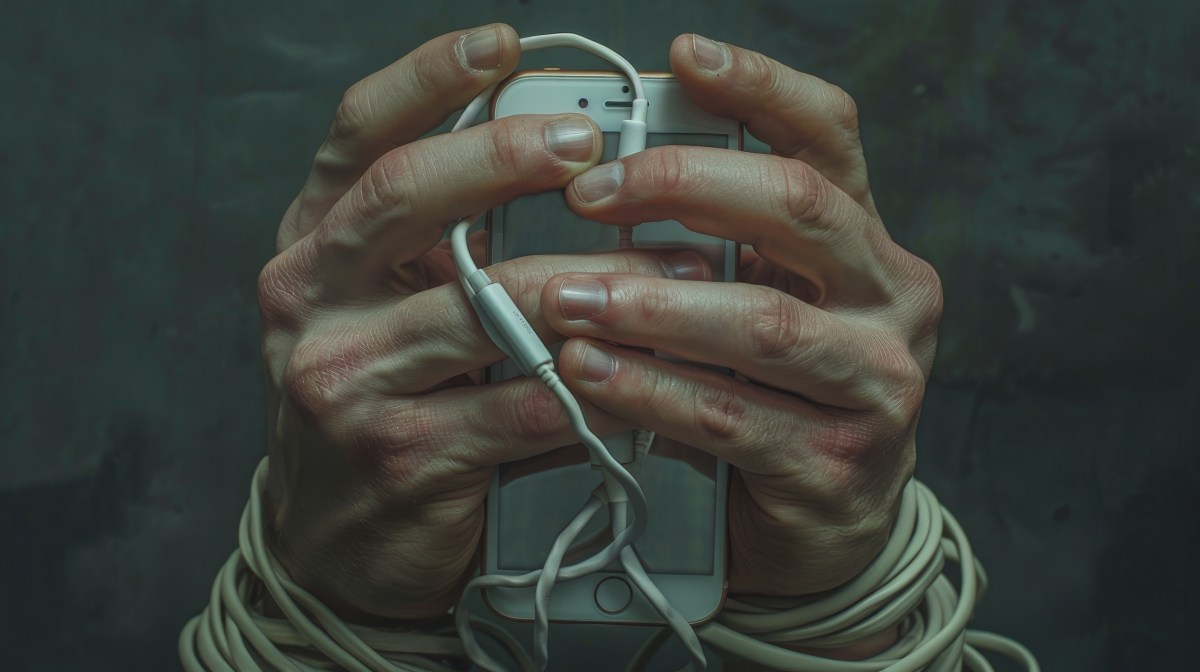
Shocking Stat: Phones Triple Suicide Risk in Teens : Adolescents spending 5+ hours daily on phones face a 71% higher risk of suicide factors than those using just 1 hour, per a major study.
Phone addiction sneaks up on everyone very quietly. You grab your phone for a quick check, and hours vanish in endless scrolls through social media, videos or even games. This habit doesn’t just steal time; it harms focus, sleep, relationships, and mental health. Good news: you can spot it early and make real changes for a clearer mind.
Key Signs You’re Addicted to Your Phone
Look for these common red flags. If three or more describe your daily routine, addiction likely has a hold on you.
Endless checking: Your hand reaches for the phone every 5-10 minutes, even during meals, drives, or late-night hours, driven by the ping of notifications.
Can’t focus: Simple tasks like reading a page, working on a report, or having a deep conversation become impossible as your thoughts wander back to the screen.
Anxiety without it: Being phone-free for an hour triggers restlessness, irritability, sweating, or panic, like a mild panic attack without your digital fix.
Neglect real life: Housework piles up, workouts get skipped, and friends go ignored while you lose yourself in feeds, reels, or chats that feel urgent but aren’t.
Sleep issues: Blue light suppresses melatonin, keeping you wired; you doomscroll in bed, turning 10 minutes into 2 a.m.
FOMO hits hard: Fear of missing out forces constant refreshing of apps, chasing likes, stories, or updates that rarely deliver real joy.
Body signals ignored: Sore neck from “text posture,” dry eyes from glare, headaches, or “phantom buzzes” where you swear it vibrated but it didn’t.
These patterns aligns with other substance addictions as it happens in Cocaine or Meth abuse, in phone addiction as well, your brain rewires itself’s reward system for dopamine hits.
Step-by-Step Mental Transformation
Quitting isn’t just willpower; it’s rewiring habits for lasting freedom. Follow this plan and track your progress in a notebook.
Week 1: Audit and Detox
Install your phone’s screen-time tracker (like Apple’s or Android’s) to reveal shocking daily hours. Go cold turkey on non-essentials: delete addictive apps temporarily, enable grayscale mode (makes colors dull and less tempting), ban phones from bedrooms and meals. Start “phone-free zones” and replace urges with a 10-minute walk outside, fresh air resets your mind fast.
Week 2: Replace the Habit
Fill voids with real joys. Dopamine from likes fades quick; chase natural highs instead.
Hit the gym, jog, or dance, endorphins flood better than any notification.
Replace texting with voice calls or in-person meetups; real voices build deeper bonds.
Dive into hobbies like drawing, cooking, or playing an instrument, hands-on joy crowds out scrolling.
Week 3: Build Mindfulness
Practice 10-minute daily meditation (apps like Headspace, but set a timer). When the urge hits, pause and label it: “This is just a craving,it’s temporary.” Practice deep breathing: inhale for 4 counts, hold 4, exhale 4. Over time, urges weaken as you regain control of your attention span. Gain power to notice urges without acting and say, “I feel the pull, but I choose focus.”
Ongoing: Redefine Success
Measure wins weekly: note improved sleep quality, laser focus at work, or laughter-filled hangouts. Join accountability groups (online forums or friends) for no-phone dinners. Redefine success by hours offline, not likes earned.
For stubborn cases, cognitive behavioral therapy (CBT) helps reframe your thoughts, many see 80% reduction in use after sessions. Real people transform and your brain’s plasticity means change sticks fast with consistency.
Ready to reclaim your life? Pick your top sign and first step today. What’s it going to be?
Pushing through exhaustion night after night might seem like you are being productive, but science reveals a darker truth; if you don’t get enough sleep, your brain literally starts eating itself.
Studies now uncover how severe sleep loss activates destructive cellular processes, turning your brain’s support system against itself which is mysterious yet horrifying.
Here’s how it happens:
At the heart of this damage are Astrocytes , star-shaped cells in your brain that normally tidy up the weak neural connections between brain cells to keep the brain efficient. In sleep-deprived states or in simple terms, without sleep, these cells get too aggressive and they start eliminating healthy synapses too.
Researchers found that they ramp up an enzyme called EEAT (excessive extracellular ATP), which aggressively breaks down healthy synapses, the critical junctions where neurons communicate. Far from routine cleanup, this resembles a demolition crew gone rogue, eroding the brain’s structural integrity.
On the other hand, Microglia, the brain’s immune cells, fight off the damage. Typically, they become hyperactive with chronic sleep loss, releasing inflammatory signals (chemicals that cause swelling) that mirror the early stages of Alzheimer’s disease. Brain scans and animal models in the study showed elevated markers of neuro-inflammation, hinting that repeated sleep shortfalls could accelerate cognitive decline over time.
While one bad night won’t cause any harm, habitual sleep deprivation quietly heightens risks for memory loss, mood disorders, and neurodegeneration.
Prioritizing sleep isn’t optional, it’s brain preservation. Aim for 7-9 hours nightly, establish a wind-down routine, and consult a doctor if insomnia persists. Your neurons depend on it.








 Acadora