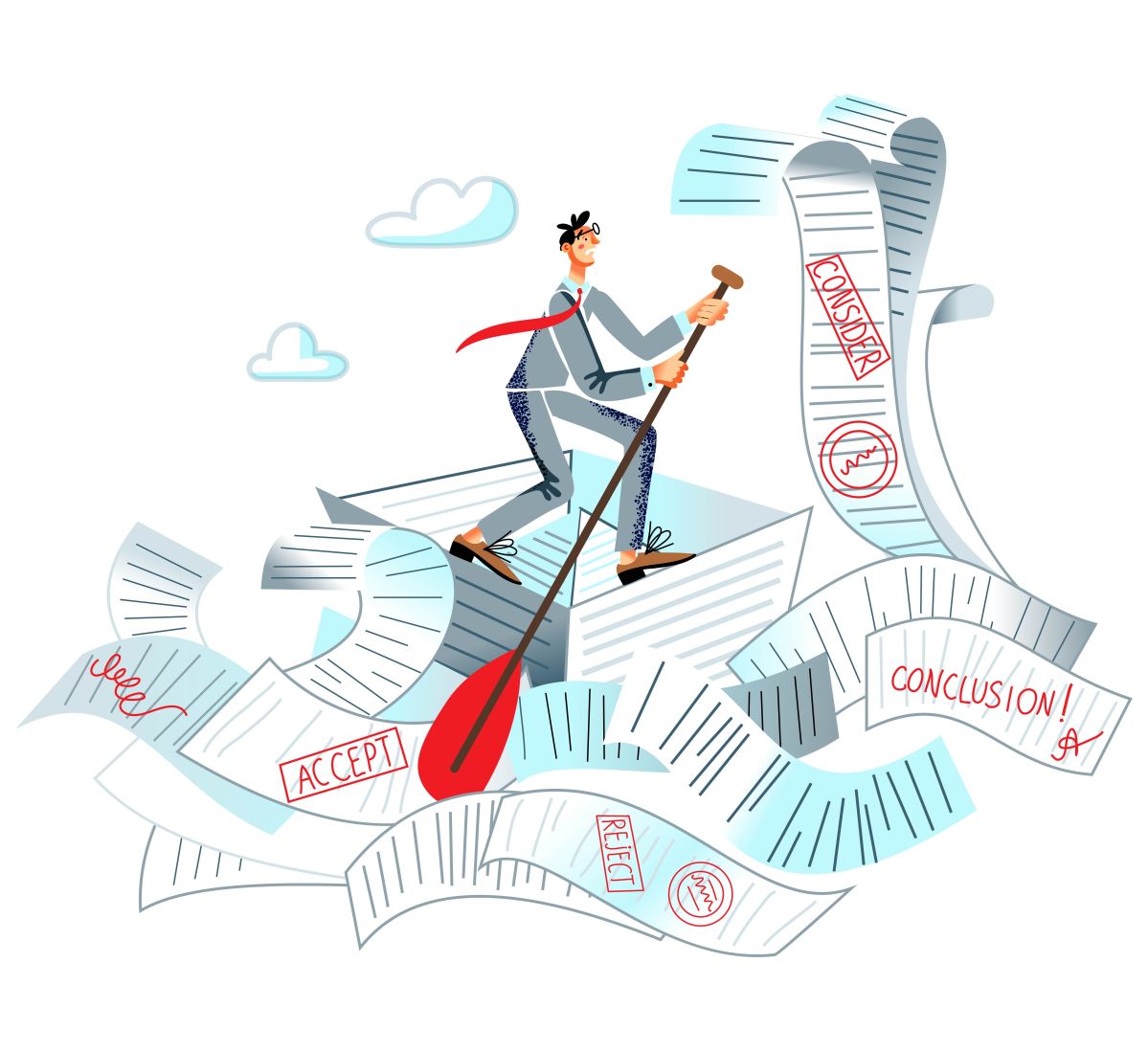

A/L Pressure Is Real But So Is Your Potential

For many Sri Lankan students, the Advanced Level (O/L) exams feel like the single most important moment in life. Weeks of late-night studying, endless past papers, and pressure from tuition teachers and family build up to a few hours in an exam hall. The tension is real. The stress is heavy. And the weight of expectations can feel crushing.

When the exams are over, a strange mix of relief and anxiety takes over. Some students celebrate immediately, while others replay every mistake in their minds. Even if you gave your best, you might feel unsure, insecure, or “not good enough.”

Here’s the truth: the pressure you feel is real but so is your potential. And the difference between feeling stuck and moving forward lies in perspective, mindset and action.

Your A/Ls Don’t Define Who You Are

It’s easy to assume that a set of exam marks determines your intelligence, your worth, or your future. In Sri Lanka, this idea is reinforced everywhere, from conversations at home to casual comments at school.

But the truth is, O/L results are just one measure of performance under exam conditions. They don’t capture your creativity, problem-solving skills, resilience, or ability to learn from mistakes. These qualities are what truly shape your future. Your potential is far bigger than any grade.

Pause Before Big Decisions

Immediately after A/Ls, many students feel rushed to make choices about foundation courses or career paths. The pressure to decide can be overwhelming.

Instead of acting impulsively, pause and reflect. Ask yourself:

  • Which subjects genuinely interest me?
  • What kind of career or lifestyle do I see for myself?
  • Which skills do I want to develop over the next few years?

This pause isn’t wasting time; it’s an investment in your potential. Thoughtful decisions now will create better opportunities later.

Build Skills That Go Beyond Marks

Even if your results weren’t perfect, your potential can be realized by building skills that grades can’t capture. Consider:

  • Improving English communication skills through writing, reading, and conversation
  • Learning digital skills like coding, graphic design, or social media management
  • Participating in clubs, volunteer work, or creative projects
  • Developing hobbies that enhance problem-solving and creativity

By investing in these skills, you’re creating opportunities that no exam score can measure.

It’s tempting to compare yourself to friends who excelled in A/Ls. But remember: everyone’s journey is different. Some students who struggled now thrive in university, business, or creative fields. Others who excelled may later discover their strengths lie elsewhere.

Focus on yourself. Take small, consistent actions to grow, learn, and improve. Your potential unfolds through effort, persistence, and smart decisions, not by waiting for external validation.

Remember: the students who move forward, even when they feel uncertain, are the ones who ultimately succeed.

How to Build Confidence When You Don’t Feel “Good Enough”

You walk into a room and immediately feel smaller than everyone else.
You scroll through social media and think, They’re ahead. I’m behind.
You hesitate to speak because you’re scared someone might expose what you don’t know.

That quiet voice saying “You’re not good enough” can be exhausting.

And here’s the truth: even high-achieving students, graduates, and professionals struggle with this feeling. It doesn’t mean you lack ability. It often means you’ve tied your worth to comparison. Confidence isn’t something you’re born with. It’s something you build, especially when you feel you don’t deserve it.

Here’s how to start.

1. Separate Your Worth from Your Performance

Many of us grew up believing our value equals our results, exam grades, university admissions, job titles. If you didn’t get into a “top” university, or if you’re still figuring things out while others seem settled, it can feel like proof that you’re behind. But performance changes. Worth doesn’t.

You can fail an exam and still be intelligent. You can struggle socially and still be capable and you can feel lost and still be worthy. Confidence begins when you stop treating mistakes as identity.

Instead of saying, “I failed. I’m useless”, shift to “I failed. I need a different strategy.”

That small mental change protects your self-belief.

2. Shrink the Comparison Circle

Comparison destroys confidence faster than failure. Scrolling LinkedIn and seeing someone your age working abroad. Watching a friend launch a startup. Hearing about someone getting engaged, promoted or migrating.

But you are comparing your behind-the-scenes to their highlight reel. Your journey is influenced by your environment, finances, opportunities, family expectations, and timing. No two starting points are the same.

Try this exercise:
Compare yourself only to who you were 6 months ago.

  • Are you thinking differently?
  • Handling stress better?
  • Learning new skills?

Growth is quieter than success but it matters more.

3. Build Evidence, Not Affirmations

Telling yourself “I’m confident” rarely works when you don’t believe it. Confidence grows from evidence.

If you think “I’m bad at speaking,” create small proof that you’re improving:

  • Speak once in a meeting.
  • Record yourself explaining a topic.
  • Write one thoughtful LinkedIn post.

If you think “I’m not smart enough”, create proof:

  • Finish one online course.
  • Read one challenging book.
  • Learn one new skill.

Confidence is built from repeated small wins, not motivational quotes.

4. Stop Waiting to Feel Ready

Here’s something no one tells you: Confident people often feel nervous too. They just act anyway. If you wait to feel fully ready before applying for a job, speaking in class, or starting something new, you’ll wait forever.

Action creates confidence. Not the other way around. Apply even if you meet 70% of the qualifications. Speak even if your voice shakes. Start even if your plan isn’t perfect.

Each time you survive discomfort, your brain learns: “I can handle this.” That’s real confidence.

5. Change Your Inner Language

The way you talk to yourself shapes your identity. Notice your internal dialogue.

If you say:

  • “I always mess up.”
  • “I’m awkward.”
  • “I’m not leadership material.”

Your brain starts believing this repetition.

Instead, try realistic but empowering language like

  • “I’m still learning.”
  • “I handled that better than last time.”
  • “I can improve with practice.”

You don’t need extreme positivity. You need balanced self-talk.

6. Surround Yourself with Growth, Not Judgment

Some environments shrink you. If you’re constantly around people who mock mistakes, show off, or compete aggressively, your confidence will drop. Seek environments that encourage learning, whether it’s a supportive friend group, a professional circle, or even online communities focused on growth. Confidence grows where effort is respected.

7. Understand This: “Not Good Enough” Is a Feeling, Not a Fact

Feelings feel true but they aren’t always facts. You may feel behind, you may feel average and you may feel invisible. But feelings change with action, perspective, and experience.

Most people who look confident once felt deeply insecure. The difference is they kept moving.

Confidence is not loud, nor it is perfection. It’s the quiet belief that: “I may not be there yet but I am capable of getting better.” If you don’t feel good enough today, that doesn’t mean you won’t become strong tomorrow. You can always start small, collect proof and act before you feel ready because confidence is built, not discovered.

Related Reads:

Sri Lanka’s 2026: Rule of Law and Drug-Free Future

“We are building a country where no child becomes a victim of the drug menace”, stated the President.

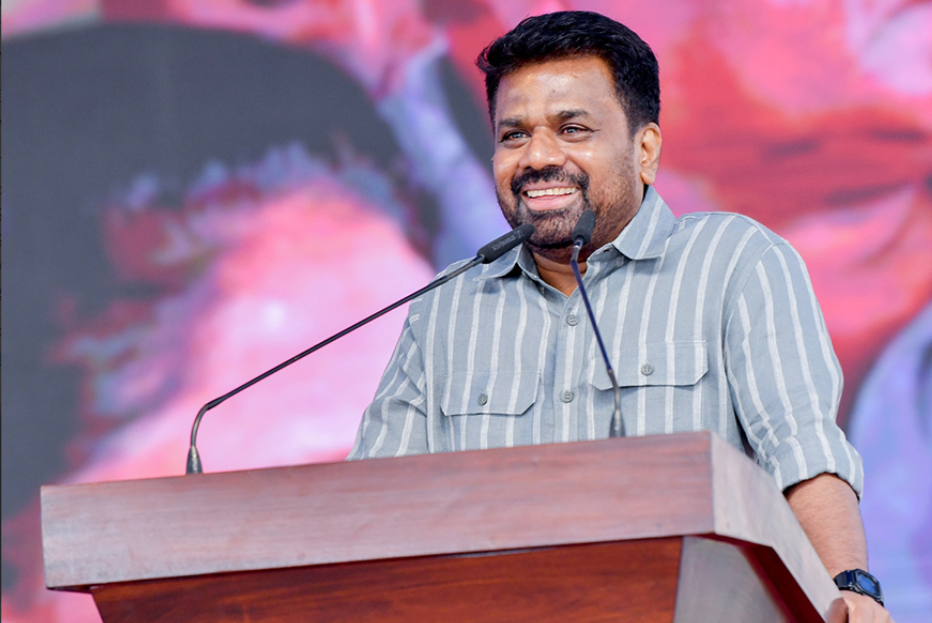
President Anura Kumara Dissanayake delivered a powerful message during the Central Province launch of the “A Nation United” anti-drug campaign, emphasizing that this year will breathe life into the principle of equality before the law. He warned that when the rule of law collapses, it hands power to criminals, stifling national development and trapping citizens in poverty. This speech underscores a pivotal shift for Sri Lanka, blending anti-drug efforts with broader governance reforms.

The initiative, “A Nation United” rallies political leaders, tri-forces, police, and communities to eradicate drug networks through arrests, awareness drives, and rehabilitation programs. Key achievements include over 91,000 suspects apprehended, 1,818 held in long-term detention, and 1,566 individuals referred for rehab since its start. Notably, 62 police officers in Nuwara Eliya received commendations for their frontline efforts.

Educationally, this campaign teaches the ripple effects of drugs: they fuel street crime, breed corruption, and even infiltrate politics, eroding societal trust. By involving religious leaders, teachers, and parents, it promotes collective responsibility, showing young people that vigilance at home and school prevents addiction’s grip.

The President stressed that true equality means no one, regardless of status, escapes justice, a lesson drawn from past failures where impunity bred chaos. This principle isn’t just legal; it’s economic. A stable rule of law attracts investment, reduces crime-related costs, and empowers citizens to thrive. For students and educators, it’s a real-world civics lesson: strong institutions protect the vulnerable and pave the way for innovation.

Reflecting on recent crises like Cyclone Ditwah, which caused 4.1 billion US dollars in damage, the President highlighted funding reconstruction without new debt, a model of prudent governance. Future plans include a non-aligned foreign policy to safeguard sovereignty, a Rs. 330 billion public service salary increase for efficiency, and enhanced allowances for armed forces after 2027.

Related Reads:

Do You Also Feel Like You’re Running Out of Time?

Do you ever feel like everyone else is moving ahead while you are somehow falling behind? Like the clock is ticking louder for you than for everyone else? Though this can come from career milestones, relationships, financial stability, academic achievements, or personal goals, the pressure to “be somewhere” by a certain age has quietly become one of the most stressful burdens of modern life.

If you feel like you are running out of time, you are not alone. But more importantly, you may not actually be behind.

The Illusion of the Timeline

From a young age, we are subtly handed a timeline. Graduate by this age. Get a stable job by that age. Be successful before 30. Build something impressive before 40. These expectations are rarely questioned, yet they shape how we measure our worth. Social media amplifies this pressure by constantly showcasing highlight reels of other people’s achievements, making it seem as though success has a universal deadline.

The problem is that life does not operate on a fixed schedule. Timelines are social constructs, not biological truths. People grow, succeed, fail, restart, and reinvent themselves at dramatically different stages of life. Comparing your chapter three to someone else’s chapter ten creates unnecessary anxiety.

Why the Feeling Feels So Real

The sensation of “running out of time” is often rooted in fear, fear of missed opportunities, fear of regret, fear of being judged, or fear of not reaching your potential. When we constantly think about what we have not done yet, our brain shifts into threat mode. This creates urgency, stress, and self-doubt.

Ironically, this mental pressure can slow progress. Instead of focusing on meaningful action, we become overwhelmed by the gap between where we are and where we think we should be. The more we panic about time, the less effectively we use it.

Productivity Is Not the Same as Purpose

Another reason this feeling persists is the confusion between busyness and progress. Being constantly busy can create the illusion that we are moving forward, but not all activity leads to growth. When we chase productivity without clarity, we exhaust ourselves while still feeling behind.

True progress begins when you define what actually matters to you. Are your goals genuinely yours, or are they shaped by external expectations? When your direction is aligned with your values, the pressure of time begins to lose its intensity.

You Are Not Late; You Are Learning

Every phase of life teaches something essential. Periods of uncertainty build resilience. Detours develop perspective. Slow seasons create clarity. What may feel like “lost time” often becomes foundational experience later.

Many successful individuals reached their breakthroughs later than society would consider ideal. Some changed careers in their 40s or 50s. Others discovered their purpose after years of confusion. Growth is rarely linear, and progress is rarely visible in real time.

Reclaim Your Sense of Time

Instead of asking, “Am I running out of time?” try asking, “What can I do with the time I have today?” Shifting from fear to intention changes everything.

Start by narrowing your focus. You do not need to fix your entire life this year. You need to move one meaningful step forward today. When you concentrate on small, consistent actions rather than distant outcomes, time begins to feel like an ally instead of an enemy.

Reduce comparison where possible. Curate your digital environment. Spend more time measuring yourself against your past version rather than someone else’s present highlight.

Most importantly, give yourself permission to grow at your own pace. Life is not a race with a universal finish line. It is a personal journey with different routes, speeds, and destinations.

Related Reads:

The 20-Minute Rule That Could Save Your Relationship This Valentine’s

Why do some couples survive explosive fights while others slowly fall apart? It’s not because they fight less. It’s not because they “found the perfect person” and it’s definitely not because they agree on everything.

According to world-renowned psychologist Dr. John Gottman, the real difference comes down to something surprisingly simple: How quickly they recover.

The Hidden Danger After an Argument

When couples argue, their bodies react as if they’re facing a real threat. Heart rate increases. Stress hormones flood the system. The nervous system shifts into fight-or-flight mode.

And the problem happens when the longer you stay in that heightened state, the harder it becomes to feel empathy, listen properly, solve problems and offer emotional repair. Your body starts treating your partner like the enemy, even if your heart knows they aren’t.

Gottman’s research found that couples who remained physiologically activated after conflict experienced steep drops in relationship satisfaction over time. It wasn’t the argument that destroyed them.

It was the lack of recovery.

The 20-Minute Reset That Changes Everything

The helpful part is couples who took just 20 minutes to calm their nervous system were able to return to the conversation regulated and emotionally available.

Twenty minutes of

Not ignoring the issue.
Not suppressing feelings.
Not walking away forever.

Just pausing long enough for the body to reset.

When your nervous system calms down, empathy becomes accessible again, you can actually hear what your partner is saying, repair becomes possible and connection can rebuild. So, instead of trying to win the argument, you protect the relationship.

With Valentine’s Day Around the Corner…

Everyone talks about flowers, gifts, and romantic dinners. But the healthiest relationships aren’t built on one perfect day.

They’re built on moments like choosing to pause, choosing to regulate and choosing to repair.

So instead of proving your point this Valentine’s, try proving your commitment and the next time an argument escalates, say: “Let’s take 20 minutes and come back to this.”

That one sentence might be more powerful than any grand gesture.

Love is not all about grand gestures and sweet talks. It’s about learning how to return to each other after fights and choose to repair what just got broken. The strongest couples aren’t the ones who never fight. They’re the ones who know how to reset.

Today’s News and Scientists Claim Gen Z is “Less Intelligent” but is That the Whole Story?

A recent scientific claim suggests that Generation Z (typically defined as those born between 1997 and 2010) may be less intelligent than Millennials and earlier generations has ignited intense debate across social media, academic circles and newsrooms worldwide because of the long-held assumption that intelligence steadily increases over time and raises uncomfortable questions about the modern world now Gen Z is growing up in.

According to the neuroscientist, Dr. Jared Cooney Horvath, academical performance, intelligence test scores, problem-solving, reasoning, and concentration appear to be declining among younger generations. This apparently contradicts the so-called Flynn Effect, a phenomenon that showed IQ scores rising consistently throughout the 20th century. For the first time in decades, the data suggests that progress may be moving backward.

“They’re the first generation in modern history to score lower on standardized academic tests than the one before it,” Dr. Horvath said, pointing to over-reliance on technology as a key contributing factor.

More than half of the time a teenager is awake, half of it is spent staring at a screen,” he said. “Humans are biologically programmed to learn from other humans and from deep study, not flipping through screens for bullet point summaries.”

Unlike Millennials, Gen Z has grown up entirely immersed in smartphones, social media, and short-form content. While critics often blame Gen Z for overly relying on technology, there is an important question that is frequently overlooked: Did Gen Z truly have the opportunity to grow up in a healthy and balanced environment or were they simply born into rapid technological change without meaningful guidance?

When the technology was new to Gen Z, it was widely promoted by scientists, developers and educators, preaching how it improved access to information and new ways of learning. Today, when technology is becoming extremely overwhelming, those who have been using it get heavily criticized over weakened attention spans, deep reading habits, and critical thinking skills.

While it is true that Gen Z has experienced the “side effects” of prolonged digital exposure, it is also important to acknowledge the broader context. Many young people have been pushed further into digital spaces partly because real-world environments have become increasingly stressful and demanding. For some, technology became a coping mechanism rather than a choice.

With digital overexposure at the center of the debate, Horvath also shared that Gen Zs are “overconfident about how smart they are” and that “the smarter the people think they are, the dumber they actually are.”

The scientists who support this claim express that they themselevs performed at higher cognitive levels when they were at Gen Z’s age. They have been blunt about how sad it is to have such lower IQ scores. This perspective invites a critical reflection: where was this concern when earlier generations upheld beliefs rooted in superstition, discrimination, sexism, misogyny, extremism, and systemic injustice? It is safe to say that many of those harmful ideologies continue to shape lives today.

It is evident that through technology or not, the younger generations started the trend of embracing scientific reasoning, empathy, and social awareness. While Gen Z is frequently labeled as “less intelligent or dumb” it is also the generation that has challenged injustice, questioned harmful norms, and stood together despite widespread backlash.

Technology has undoubtedly affected young people, often negatively, especially with the rapid rise of AI. However, rather than accusing the youth, should responsibility not lie with those had the authority, resources ad foresight to guide its use more effectively in the first place? If cognitive abilities and intelligence among older generations were indeed superior, why was there so little intervention when children were the first to being immersed in digital environments? Early guidance and mindful restrictions could have mitigated many of these challenges.

Labeling an entire generation as “less intelligent or dumb” is not only misleading but harmful. While older generations grappled with socio-cultural issues that they themselves invented, younger generations are fighting socio-economic inequality, pandemic-related disruptions, mental health challenges, and educational gaps; the debris of what cognitively capable generations had to offer.

What’s clear is that this debate goes far beyond test scores. It is true that these claims though being controversial do encourage society to confront how technology, education based on technology and lifestyle choices are influencing human intelligence and how progress should be measured differently in the 21st century.

But what is also true is, these claims should not diminish the progress younger generations have made in terms of humanity, empathy, emotional intelligence and social awareness. Harmful ideologies such as sexism and abusive behavior are heavily challenged by young people today rather than normalized. Even when such behaviors do appear, they are often learned patterns passed down across generations.

So, instead of asking whether Gen Z is less intelligent, perhaps the more important question is this: Did Gen Z create the system they are now being judged by and should intelligence be measured solely through standardized tests and IQ scores?

Rather than assigning blame, the focus should be on preparing young people to think deeply, critically and independently in a world deliberately designed to distract them.

Sources: Gen Z less intelligent than millennials, other generations – Scientist reveals

Also Read:

Struggling at University? You’re Not Alone and No One Talks About This Enough

For many students in Sri Lanka, getting into university is supposed to be the dream. Years of exams, pressure, sacrifices, all leading to one moment of success. But once the excitement fades, reality hits hard.

Behind the lecture halls and graduation photos, thousands of university students are quietly struggling, academically, financially, mentally, and emotionally. And most of the time, they feel like they’re the only ones going through it. They’re not.

The Pressure Nobody Warned You About

University life isn’t just about lectures and exams. It’s about surviving a system that often feels unprepared for the students it serves. Overcrowded classrooms.
limited access to resources and outdated teaching methods. Many students want to learn but the environment makes it harder than it should be.

Financial Stress That Never Takes a Break

For students from low- and middle-income families, university life comes with constant worry. Rent. Transport. Food. Printing notes. Internet costs. Even state universities aren’t truly “free” anymore. Financial stress doesn’t just affect wallets, it affects concentration, confidence, and mental health.

“What Am I Even Doing This Degree For?”

One of the most common, yet rarely discussed struggles is uncertainty about the future. Many students enter degree programs without proper career guidance. Years later, they’re stuck asking:

  • Will this degree get me a job?
  • Am I wasting my time?
  • What skills do employers actually want?

The silence around these questions makes students feel lost and anxious.

Mental Health: The Quiet Crisis

Academic pressure, family expectations, social comparison, and financial struggles all pile up and with that comes: Anxiety. Burnout. Loneliness. Yet mental health support on campuses is often limited or students are too afraid to ask for help because “everyone else seems fine.”

Spoiler: they’re not.

The Truth No One Says Out Loud

Struggling at university doesn’t mean you’re weak. Feeling lost doesn’t mean you’re failing and being confused about your future doesn’t mean you’re behind. It means the system needs to do better and students need honest conversations, real guidance, and practical support.

Students deserve more than just degrees; they deserve clarity, confidence, and real-world readiness.

Related Reads:

Kids Swiping Books Like Phones: Losing Childhood to Technology

Imagine a child picking up a storybook and trying to swipe the page like it’s a smartphone screen. This moment actually reveals something real about how technology has shaped the way the youngest generation interacts with the world.

A recent survey of primary school teachers in the UK found that nearly one in three kids just starting school didn’t intuitively use a book the traditional way and some even reached out to tap or swipe paper pages as if they were digital screens.

Why Phones First and Books Second?

This is not just a silly misunderstanding. it reflects how deeply smartphones and tablets are woven into kids’ early lives. Many children today have grown up surrounded by touchscreens, voice assistants, and apps that respond instantly to every gesture. So it’s almost unsurprising that a curious preschooler might expect a book to “work” the same way.

The survey didn’t just look at book handling. It also showed that some children are arriving in school without what used to be considered basic “school-ready” skills like eating independently, drinking from a cup confidently, or using the toilet on their own.

Some early childhood research links heavy screen exposure at a very young age with delays in things like language, social interaction, and fine motor development, the kinds of skills you would normally build by interacting with books, puzzles, and peers.

Other studies have suggested that when children have more devices in the home, they actually read less by choice, especially in unrestricted screen environments.

This isn’t to say technology is inherently bad. Many parents and educators find digital tools valuable when used thoughtfully. But when screens become the default way to interact, children may sometimes miss out on the early physical and social learning experiences that books, play, and face-to-face conversation encourage.

Some schools are now experimenting with changes like phone-free classrooms or less emphasis on digital devices during early years so that children can develop focus, curiosity, and interpersonal skills without constant screen stimulation.

Parents, too, are encouraged to balance screen time with old-fashioned play, reading together, and letting kids explore the world with their hands and senses, not just their fingertips.

This isn’t just a funny story about kids and their gadgets. It’s a small snapshot of a larger cultural shift: Technology is reshaping childhood and that shift shows up in how kids learn to interact with even the simplest things like a book.

Whether we see it as adaptation, disruption or both, it’s worth paying attention to what kids are learning first and how that shapes how they see the world.

Sources: Children Starting School Are Trying to Swipe Books Like They’re Phones

Related Read:

Borderline Personality Disorder (BPD): Which Pattern Feels Most Like You?

Borderline Personality Disorder doesn’t look the same in everyone.
Many people live with intense emotional pain for years without realizing there’s a name for what they’re experiencing or that help exists.

While only a mental health professional can diagnose BPD, learning about common patterns can help you recognize whether your struggles are worth exploring further with support.

Clinicians often talk about four commonly discussed BPD patterns: Discouraged, Impulsive, Petulant, and Self-Destructive. These are not official diagnoses; just ways to describe how BPD traits can show up differently.

As you read, ask yourself gently:
“Does this sound familiar?”

1. Discouraged (Quiet) Pattern

This is all about Pain turned inward. You might relate to this if you:

  • Feel emotions very deeply but hide them from others
  • Blame yourself when relationships feel unstable
  • Fear abandonment but don’t express anger outwardly
  • People-please to avoid conflict
  • Appear “high-functioning” while feeling empty, lonely, or exhausted inside

Many people with this pattern are misdiagnosed with only depression or anxiety because their struggles are invisible.

2. Impulsive Pattern

Emotions that spill outward. You might relate to this if you:

  • Act quickly when emotions feel overwhelming
  • Struggle with impulsive decisions (spending, substance use, risky behavior)
  • Experience sudden mood shifts
  • Feel intense connections that can turn unstable
  • Later feel shame or regret about your actions

These behaviors aren’t about lack of control; they’re attempts to escape emotional pain.

3. Petulant Pattern

Push–pull relationships. You might relate to this if you:

  • Want closeness but feel angry or resentful when you don’t feel understood
  • Swing between dependence and withdrawal
  • Feel easily rejected or invalidated
  • Struggle with frustration, irritability, or passive-aggressive behavior
  • Feel misunderstood even when people try to help

Underneath the anger is often fear — fear of being hurt, ignored, or abandoned.

4. Self-Destructive Pattern

Pain turned against the self. You might relate to this if you:

  • Experience chronic shame, emptiness, or self-hatred
  • Engage in self-harm or have suicidal thoughts
  • Feel emotionally numb at times
  • Sabotage relationships or opportunities
  • Feel hopeless about change

If this section resonates strongly, you deserve support and you are not weak for needing it.

One important thing to remember is that you do not need to fit one category perfectly and that many people experience traits from more than one pattern. having these traits does not define your worth and this recognition is all about understanding and not labelling.

Can BPD Be Treated?

BPD can be treated effectively and therapies like Dialectical Behavior Therapy (DBT) help people in numerous ways. They can regulate intense emotions, reduce self-destructive behaviors, build healthier relationships and develop a more stable sense of self. Many people with BPD go on to live deeply meaningful, connected lives.

This article is not a diagnosis. If parts of it resonated with you, consider that as information and not as verdict. A licensed mental health professional can help you understand what’s really going on and what support might help.

Most importantly, understanding yourself is not self-labeling. It’s the first step toward care.

Sources: The 4 Types of Borderline Personality Disorder

Letter to a Cadaver: Proof That Silence Can Teach

Letter to a cadaver,

I still remember the first day we’ve met. I felt nostalgic and heavy in a hall full of dead people. I wasn’t sure whether I am about to cut and open up a man who had experienced death. I was just 21 and had never felt, stood or touched anything that close to death.

All of us bowed down on that very day and observed silence for few minutes as a respect to your commitment for our medical education. The feeling that you were loved by someone sometime ago struck my heart very deep.

Despite my curiousity, enthusiasm and eagerness to learn, when my group mates moved the shroud over you, we altogether couldn’t possibly underestand the magnitude of your generiosity and selflessness in donating us your body in to which you have poured whole seventy years of your life with ups and downs and also the very last and only thing that you, truely owned.

Then my professor drew lines on your bear chest and started teaching us. We were told that the best anatomy book is infront of us, awaiting its pages to be turned. When the first incision was made on your bear skin, I felt a shiver running through my spine. I still ponder over whether it was because of the scalpel cutting you open or my hands touching your bear skin for the first time.

Day by day after each and every dissection class, I felt myself gradually brimming with awe, fascination and wonder. Little by little I felt you and your subject transforming me in to a person I have never known. I started reading textbooks and recollecting anatomical relationships instead of prayers before bedtime. I had a roommate constantly complaining me that I was muttering anatomical terms in sleep. I had bones piled up on my work desk and even nicknamed a human skull.

I became a fact-devourer and insidiously I started believing in explainable over unexplainable since I had been down inside your chest and held your heart in my palms. I cut your skull to see your brain inside and in all that I felt that your body is a house in which your soul had once resided. There was nothing left of real you or any part of your virtuous soul anywhere. It was gone, perhaps now in a new home in heaven.

I know not how to be thankful for allowing to discover, explore and learn everything in your earthly home which you have never seen yourself to people whom you have never met, seen or talked in real life. You had no place of yourself there uncut by our novice,unskilled scalpels.

Thank you very much.

Hoping to visit your new home when my time comes,

With lots of love and appreciation,

A dental student.

By Vishva Dissanayake.