
Borderline Personality Disorder (BPD): Which Pattern Feels Most Like You?

Borderline Personality Disorder doesn’t look the same in everyone.
Many people live with intense emotional pain for years without realizing there’s a name for what they’re experiencing or that help exists.

While only a mental health professional can diagnose BPD, learning about common patterns can help you recognize whether your struggles are worth exploring further with support.

Clinicians often talk about four commonly discussed BPD patterns: Discouraged, Impulsive, Petulant, and Self-Destructive. These are not official diagnoses; just ways to describe how BPD traits can show up differently.

As you read, ask yourself gently:
“Does this sound familiar?”

1. Discouraged (Quiet) Pattern

This is all about Pain turned inward. You might relate to this if you:

  • Feel emotions very deeply but hide them from others
  • Blame yourself when relationships feel unstable
  • Fear abandonment but don’t express anger outwardly
  • People-please to avoid conflict
  • Appear “high-functioning” while feeling empty, lonely, or exhausted inside

Many people with this pattern are misdiagnosed with only depression or anxiety because their struggles are invisible.

2. Impulsive Pattern

Emotions that spill outward. You might relate to this if you:

  • Act quickly when emotions feel overwhelming
  • Struggle with impulsive decisions (spending, substance use, risky behavior)
  • Experience sudden mood shifts
  • Feel intense connections that can turn unstable
  • Later feel shame or regret about your actions

These behaviors aren’t about lack of control; they’re attempts to escape emotional pain.

3. Petulant Pattern

Push–pull relationships. You might relate to this if you:

  • Want closeness but feel angry or resentful when you don’t feel understood
  • Swing between dependence and withdrawal
  • Feel easily rejected or invalidated
  • Struggle with frustration, irritability, or passive-aggressive behavior
  • Feel misunderstood even when people try to help

Underneath the anger is often fear — fear of being hurt, ignored, or abandoned.

4. Self-Destructive Pattern

Pain turned against the self. You might relate to this if you:

  • Experience chronic shame, emptiness, or self-hatred
  • Engage in self-harm or have suicidal thoughts
  • Feel emotionally numb at times
  • Sabotage relationships or opportunities
  • Feel hopeless about change

If this section resonates strongly, you deserve support and you are not weak for needing it.

One important thing to remember is that you do not need to fit one category perfectly and that many people experience traits from more than one pattern. having these traits does not define your worth and this recognition is all about understanding and not labelling.

Can BPD Be Treated?

BPD can be treated effectively and therapies like Dialectical Behavior Therapy (DBT) help people in numerous ways. They can regulate intense emotions, reduce self-destructive behaviors, build healthier relationships and develop a more stable sense of self. Many people with BPD go on to live deeply meaningful, connected lives.

This article is not a diagnosis. If parts of it resonated with you, consider that as information and not as verdict. A licensed mental health professional can help you understand what’s really going on and what support might help.

Most importantly, understanding yourself is not self-labeling. It’s the first step toward care.

Sources: The 4 Types of Borderline Personality Disorder

Letter to a Cadaver: Proof That Silence Can Teach

Letter to a cadaver,

I still remember the first day we’ve met. I felt nostalgic and heavy in a hall full of dead people. I wasn’t sure whether I am about to cut and open up a man who had experienced death. I was just 21 and had never felt, stood or touched anything that close to death.

All of us bowed down on that very day and observed silence for few minutes as a respect to your commitment for our medical education. The feeling that you were loved by someone sometime ago struck my heart very deep.

Despite my curiousity, enthusiasm and eagerness to learn, when my group mates moved the shroud over you, we altogether couldn’t possibly underestand the magnitude of your generiosity and selflessness in donating us your body in to which you have poured whole seventy years of your life with ups and downs and also the very last and only thing that you, truely owned.

Then my professor drew lines on your bear chest and started teaching us. We were told that the best anatomy book is infront of us, awaiting its pages to be turned. When the first incision was made on your bear skin, I felt a shiver running through my spine. I still ponder over whether it was because of the scalpel cutting you open or my hands touching your bear skin for the first time.

Day by day after each and every dissection class, I felt myself gradually brimming with awe, fascination and wonder. Little by little I felt you and your subject transforming me in to a person I have never known. I started reading textbooks and recollecting anatomical relationships instead of prayers before bedtime. I had a roommate constantly complaining me that I was muttering anatomical terms in sleep. I had bones piled up on my work desk and even nicknamed a human skull.

I became a fact-devourer and insidiously I started believing in explainable over unexplainable since I had been down inside your chest and held your heart in my palms. I cut your skull to see your brain inside and in all that I felt that your body is a house in which your soul had once resided. There was nothing left of real you or any part of your virtuous soul anywhere. It was gone, perhaps now in a new home in heaven.

I know not how to be thankful for allowing to discover, explore and learn everything in your earthly home which you have never seen yourself to people whom you have never met, seen or talked in real life. You had no place of yourself there uncut by our novice,unskilled scalpels.

Thank you very much.

Hoping to visit your new home when my time comes,

With lots of love and appreciation,

A dental student.

By Vishva Dissanayake.

Losing Weight When Your Body Is Tired: A Gentle Guide for Adults

For many people in their twenties and thirties, weight gain doesn’t come from overeating alone. It builds quietly, through years of demanding physical labour, skipped meals followed by heavy dinners, sugary soft drinks to push through exhaustion, old injuries that never fully healed, and the unspoken belief that “I’ll worry about my health later.”

Then one day, something happens.
A doctor’s warning. A frightening test result. A moment that makes you pause and realise that your body has been carrying far more than it should.

That’s usually where the real journey begins.

Why Hunger Feels Constant and Why it’s not Your Fault

When someone carries significant excess weight, hunger is often hormonal and metabolic, not a lack of willpower. Years of high sugar intake, especially from soft drinks, train the body to expect quick energy. Refined carbohydrates, white rice eaten in large portions, bakery items, and processed snacks spike blood sugar rapidly and cause it to crash just as fast.

That crash feels like:

  • Sudden hunger
  • Irritability
  • Fatigue
  • Cravings for more sugar

When movement becomes limited due to work or even knee pain, back injuries, or joint damage, the cycle intensifies. The body burns fewer calories, but hunger signals remain loud.

The solution is not eating less, but eating smarter foods that stay with you longer.

Choosing Snacks that Calm Hunger (Low Sodium and easy to eat)

While snacks like fresh fruits, plain curd, and boiled eggs are undeniably healthy and effective for weight loss, they often feel repetitive and uninspiring. When people think about dieting and imagine eating the same few foods every day for weeks or even months, the motivation quickly fades. The diet may be healthy, but the excitement disappears.

The truth is, sustainability matters more than perfection. A diet only works if you can enjoy it long enough to see results.

That’s where creativity comes in.

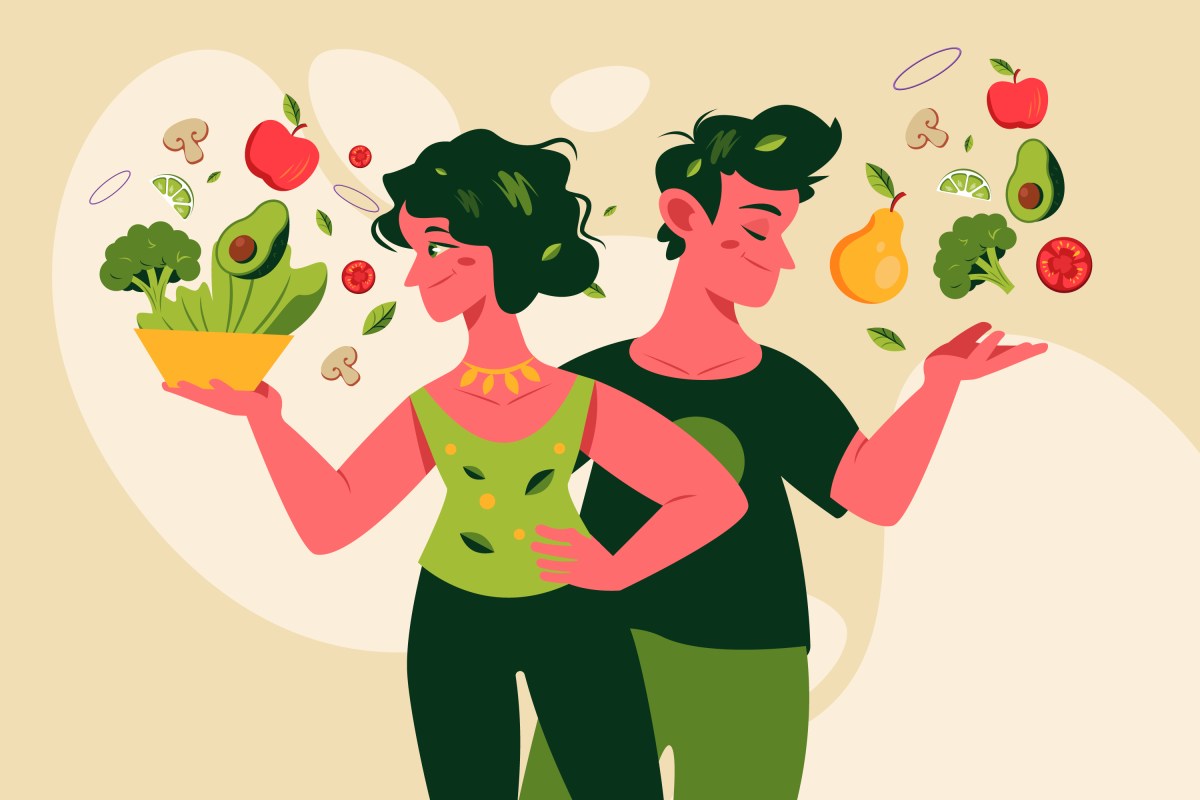
Below are a selection of simple yet interesting recipes made using the same healthy ingredients but prepared in ways that feel comforting, flavourful, and enjoyable. These recipes are designed to help you stay consistent not just for a few weeks, but potentially for months or even years, without feeling deprived.

Easy, Interesting & Joint-Friendly Recipes for Healthy Weight Loss

1. Creamy Papaya – Curd Breakfast Bowl: Sweet without sugar, filling without heaviness.

You’ll need

  • Ripe papaya (1 cup, diced)
  • Plain low-fat curd (½ cup)
  • A pinch of cinnamon

How to make

Mix everything gently. Chill for 10 minutes if you like it cold.

This tastes like dessert, stabilises blood sugar, and helps curb soda cravings early in the day.

2. Soft Egg & Pumpkin Mash: Comfort food energy with almost no sodium.

You’ll need

  • Pumpkin (1 cup, boiled until very soft)
  • Eggs (2)
  • Black pepper (tiny pinch)
  • Lime juice (optional)

How to make

Mash the pumpkin while warm. Soft-boil the eggs, chop, and fold into the mash. Add pepper and a squeeze of lime.

This feels like a hearty village meal but keeps you full for hours.

3. Savoury Oats with Sri Lankan Flavours: Replaces white rice without feeling “foreign.”

You’ll need

  • Oats (½ cup)
  • Water or low-fat milk
  • Onion (a few slices)
  • Carrot or pumpkin (grated)
  • Turmeric (pinch)

How to make

Cook oats until very soft. Stir in vegetables and turmeric. Simmer until creamy.

This has familiar flavours, zero sauces, very joint-friendly texture.

4. Gotukola & Curd Comfort Blend: Cooling, healing, and extremely filling.

You’ll need

  • Gotukola (finely chopped)
  • Plain curd (½–¾ cup)
  • Lime juice

How to make

Mix everything gently. Let it rest 5 minutes before eating.

This traditional medicine meets modern weight control.

5. Banana-Cinnamon Smooth Comfort Drink: Kills soda cravings instantly.

You’ll need

  • Small ripe banana
  • Plain curd or low-fat milk
  • Cinnamon

How to make

Blend until smooth. Drink slowly.

This is naturally sweet with no crash nor guilt.

6. Soft Vegetable & Egg Soup (No Stock Cubes): Warm, satisfying, and low blood-pressure friendly.

You’ll need

  • Pumpkin, carrot, beans (chopped small)
  • Water
  • Egg (1)
  • Pepper

How to make

Boil vegetables until very soft. Crack egg into soup and stir gently. Add pepper.

7. Pineapple & Curd Afternoon Bowl: Controls evening snacking.

You’ll need

  • Pineapple (small cubes)
  • Plain curd

How to make

Mix and chill slightly.

8. Warm Oats & Papaya Evening Bowl: Calms hunger before dinner.

You’ll need

  • Cooked oats
  • Papaya (soft cubes)
  • Cinnamon

How to make

Mix oats and papaya while warm. Sprinkle cinnamon.

Break Free from Phone Addiction: Spot It, Stop It, Transform Your Mind

Shocking Stat: Phones Triple Suicide Risk in Teens : Adolescents spending 5+ hours daily on phones face a 71% higher risk of suicide factors than those using just 1 hour, per a major study.

Phone addiction sneaks up on everyone very quietly. You grab your phone for a quick check, and hours vanish in endless scrolls through social media, videos or even games. This habit doesn’t just steal time; it harms focus, sleep, relationships, and mental health. Good news: you can spot it early and make real changes for a clearer mind.

Key Signs You’re Addicted to Your Phone

Look for these common red flags. If three or more describe your daily routine, addiction likely has a hold on you.

  • Endless checking:  Your hand reaches for the phone every 5-10 minutes, even during meals, drives, or late-night hours, driven by the ping of notifications.

  • Can’t focus:  Simple tasks like reading a page, working on a report, or having a deep conversation become impossible as your thoughts wander back to the screen.

  • Anxiety without it: Being phone-free for an hour triggers restlessness, irritability, sweating, or panic, like a mild panic attack without your digital fix.

  • Neglect real life: Housework piles up, workouts get skipped, and friends go ignored while you lose yourself in feeds, reels, or chats that feel urgent but aren’t.

  • Sleep issues: Blue light suppresses melatonin, keeping you wired; you doomscroll in bed, turning 10 minutes into 2 a.m.

  • FOMO hits hard: Fear of missing out forces constant refreshing of apps, chasing likes, stories, or updates that rarely deliver real joy.

  • Body signals ignored: Sore neck from “text posture,” dry eyes from glare, headaches, or “phantom buzzes” where you swear it vibrated but it didn’t.

These patterns aligns with other substance addictions as it happens in Cocaine or Meth abuse, in phone addiction as well, your brain rewires itself’s reward system for dopamine hits.

Step-by-Step Mental Transformation

Quitting isn’t just willpower; it’s rewiring habits for lasting freedom. Follow this plan and track your progress in a notebook.

Week 1: Audit and Detox

Install your phone’s screen-time tracker (like Apple’s or Android’s) to reveal shocking daily hours. Go cold turkey on non-essentials: delete addictive apps temporarily, enable grayscale mode (makes colors dull and less tempting), ban phones from bedrooms and meals. Start “phone-free zones” and replace urges with a 10-minute walk outside, fresh air resets your mind fast.

Week 2: Replace the Habit

Fill voids with real joys. Dopamine from likes fades quick; chase natural highs instead.

  • Hit the gym, jog, or dance, endorphins flood better than any notification.
  • Replace texting with voice calls or in-person meetups; real voices build deeper bonds.
  • Dive into hobbies like drawing, cooking, or playing an instrument, hands-on joy crowds out scrolling.

Week 3: Build Mindfulness

Practice 10-minute daily meditation (apps like Headspace, but set a timer). When the urge hits, pause and label it: “This is just a craving,it’s temporary.” Practice deep breathing: inhale for 4 counts, hold 4, exhale 4. Over time, urges weaken as you regain control of your attention span. Gain power to notice urges without acting and say, “I feel the pull, but I choose focus.”

Ongoing: Redefine Success

Measure wins weekly: note improved sleep quality, laser focus at work, or laughter-filled hangouts. Join accountability groups (online forums or friends) for no-phone dinners. Redefine success by hours offline, not likes earned.

For stubborn cases, cognitive behavioral therapy (CBT) helps reframe your thoughts, many see 80% reduction in use after sessions. Real people transform and your brain’s plasticity means change sticks fast with consistency.

Ready to reclaim your life? Pick your top sign and first step today. What’s it going to be?

Sources:

  • Addiction to Smartphones in the United States in 2023, by Generation by Federica L.

How Self-Acceptance Fuels Personal Growth

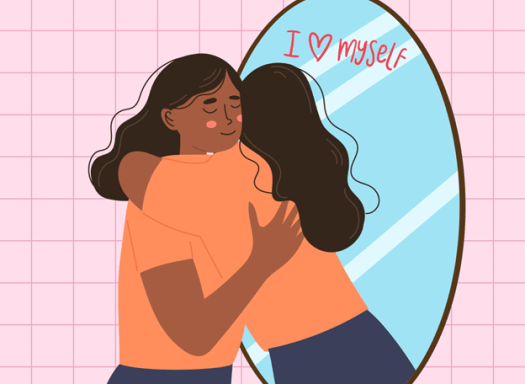
In a world that constantly demands perfection, comparison has quietly become a daily habit. People often measure their worth by social media standards, academic success, physical appearance, and public approval but in the midst of all these pressures, the simple yet powerful act of self-love is too easily forgotten. Loving oneself is not an act of selfishness; it is the foundation of emotional stability, confidence, and personal growth.

Self-love starts with simply accepting yourself.

It’s about noticing your strengths while being kind to your imperfections. Each of us carries unique talents, struggles, and stories that make us who we are. When we learn to accept ourselves, we let go of harsh self-criticism and begin to build a healthier relationship with our own identity. That acceptance makes us stronger, helping us face challenges and bounce back from failures with resilience.

Loving yourself means taking care of both your body and your mind. It’s choosing to fuel your body with good food, giving yourself enough rest, and moving in ways that keep you strong and energized. Just as important is caring for your mental health, knowing when to set boundaries, easing stress, and allowing yourself to pause without feeling guilty.

“It’s only after we’ve lost everything that we’re free to do anything.” – Tyler Durden, Fight Club.

When you practice self-love, you recognize that your well-being is just as important as the responsibilities you carry.

Self-love builds emotional independence.

When people truly value themselves, they don’t need constant approval from others. Instead, they make choices that reflect their own values, not just what society expects. This inner strength creates healthier relationships, because when you respect yourself, you set the stage for genuine mutual respect.

Before the success of Harry Potter, J.K. Rowling described herself as “as poor as it is possible to be in modern Britain, without being homeless”. Following a divorce and clinical depression, she described her rock-bottom moment as “liberating,” allowing her to focus entirely on her passion for writing. By trusting in her own voice despite 12 rejections, she transformed her life through self-belief.

Similarly, after dropping out of college, Steve Jobs took a calligraphy course because it interested him; a move that later allowed him to design the beautiful typography of the Macintosh. Later, being fired from Apple, the company he built humbled him but he used that time to rediscover his love for creativity, leading to his eventual return and success.

Self-love is directly linked to personal growth. When people believe in their worth, they are more willing to invest in learning, improving, and pursuing their dreams. They view mistakes as lessons rather than failures and approach life with confidence and determination.

Credits to Has social media clouded our perception of self -love?