
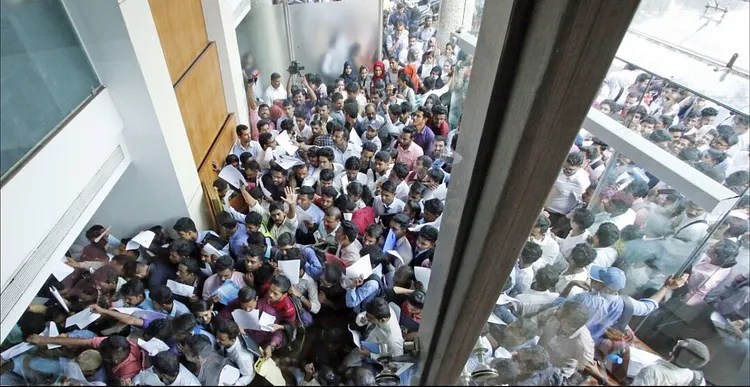
Kerala has India’s highest literacy at 96.2%, surpassing or rather beating the national average for literacy rates. Malayalis chase degrees, dream big, and vote left for welfare. Yet, over 25% of educated rural youth and 20% urban grads sit jobless, turning the situation into a paradox of pride and pain.
The Wrong Kind of Smarts
Due to big government spends, Kerala’s schools reach everyone. But Malayalis focus stays on conventional degrees in arts and science for “white-collar” government jobs and with thousands applying for the same public sector spot, job opportunities get drastically unavailable, leading the same thousands of young to settle for lower-paying jobs like peons or janitors. Malayalis strong preference for salaried jobs rather than entrepreneurship is rooted in another kind of reality which really uncovers the effects of having an unhealthy education system as well as a political climate. On one hand, Malayalis who are not self-taught yet excessively drown in unnecessary conventional studies do not possess the kinds of skills that match self-employment. Their educated grads twiddle thumbs while factories beg for workers.
Educated Unemployment
This educated unemployment has become a serious test of Kerala’s development. As a result of constantly struggling to create enough suitable jobs, a large numbers of Malayalis migrated abroad, especially to Gulf countries, in search of better employment opportunities. Over time, the “Gulf Malayali” became a familiar figure in Kerala’s social and cultural life and was often viewed as financially stable and highly desirable.
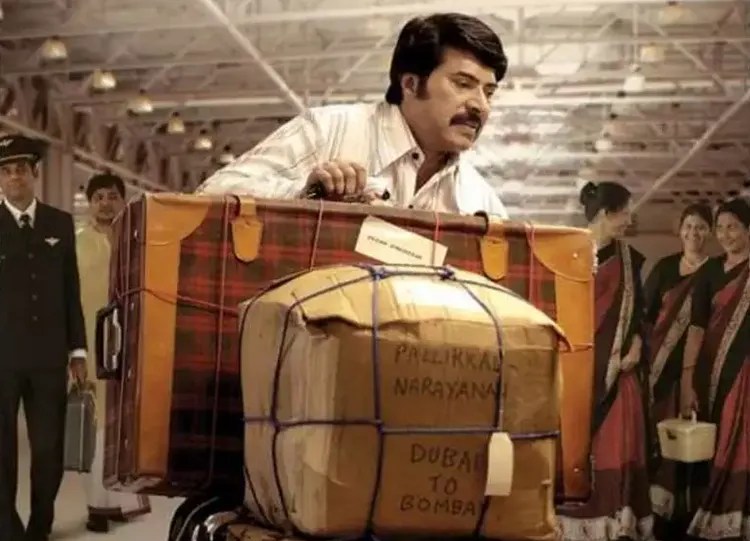
The Kerala- Gulf diaspora, numbering over two million people, has played a major role in the state’s economy. In 2019 alone, remittances from abroad brought in nearly $14–15 billion, boosting household income, consumption, and savings, and contributing significantly to economic growth. However, this migration also created a shortage of local workers in low-skilled sectors such as construction and coconut harvesting. These jobs are now largely filled by migrant workers from North-Eastern Indian states. This balance between skilled emigration and migrant labour inflow has become a key feature of Kerala’s economic development. But in the wake of oil crashes, visa cuts, and COVID slashing over 300,000 jobs since 2013, the Malayali’s diaspora’s dream has been fading. Then unemployment started hitting 26.5% as of May 2020 and now returning grads face empty promises with no high-skill gigs waiting.
Despite these rates, a gender gap in literacy seemingly continues to persist across India. Men consistently show higher literacy levels than women, reflecting long-standing social and economic inequalities in access to education. In states like Kerala, this gap is much smaller due to strong investments in education, but women still fall just behind men. In contrast, states with lower literacy levels show much wider differences, with far fewer women able to access basic education. This highlights that while progress has been made, achieving true gender equality in education remains an ongoing challenge. This in fact underlines the need for continued policy focus on gender equality in education.
Sources:
 Acadora