
Sri Lanka is Hosting Global Shark and Marine Life Conference in 2026

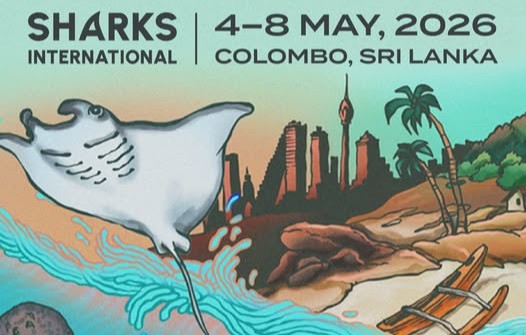
Sri Lanka is hosting Sharks International 2026, one of the world’s leading conferences dedicated to shark research and marine conservation. The global event, taking place from the 4th to 8th May 2026 in Colombo, brings together scientists, conservationists, policymakers and marine enthusiasts from around the world.

As apex predators, sharks help regulate the populations of other marine species, ensuring the stability of ocean life. However, today, shark populations are under threat due to practices like overfising, habitat destruction and finning.

Events like Sharks International aim to address these challenges by encouraging collaboration, sharing research and promoting sustainable solutions.

The conference is expected to benefit the country in multiple ways. Beyond scientific discussions and research, it will provide opportunities for education, tourism and international partnerships and the participants will gain valuable exposure to global expertise.

Thus, for Sri Lanka, Sharks International 2026 is more than just an event. It is an opportunity to learn, grow and contribute to a global mission of preserving marine life for future generations.

Sri Lanka’s Brain Drain Crisis Grows Further as Around 80% of Graduates Leave the Country

Sri Lanka is facing a growing trend in the mass migration of educated youth. A recent report highlighted that more than half of the state university graduates are leaving the country permanently, with the figures rising to nearly 80-90% in fields such as medicine, engineering and agriculture. While this reveals the stark reality of the country’s job market, it also uncovers a painful paradox: although Sri Lanka invests heavily in free education, many of its most skilled individuals choose to build their lives elsewhere.

Sri Lanka is well-known for its free education system, especially since gaining independence. It is estimated that around 142,000 students graduate annually across disciplines such as arts (25%), management (20%), engineering (13%), and medicine (10%). Yet, according to a study by the University of Peradeniya, migration rates among the highly skilled graduates, particularly in science-based fields, are rising above 80%, showcasing a significant outflow of skilled youth.

According to the statistics, Sri Lankan government invests around Rs. 87 billion annually in university education. Yet, many argue that the system ultimately enables skilled individuals to contribute to the development of other nations, particularly in the West while Sri Lanka continues to struggle with a 24.5% poverty rate (World Bank, 2025)

However, the blame should not rest solely on those who migrate. At the heart of this issue are deep structured challenges. Low wages, limited job opportunities and the lingering effects of Sri Lanka’s economic crisis continue to push these graduates abroad. Corruption, weak institutions and lack of merit based opportunities further worsen this situation. In such environment, migration becomes less of a choice and more of a necessity for young professionals seeking stability and growth.

More Reads: