

“Drug addicts should be referred to proper rehabilitation centers. Special attention must be paid to the environment around schools and the intervention of the Sri Lanka Police in this regard is extremely important.”
This statement was made during a meeting, attended by officials from the National Authority on Tobacco and Alcohol, the National Dangerous Drugs Control Board, and the Ministry of Education, to discuss the issuance of a new circular on school-related drug prevention for the year 2026.
Is this Reform necessary? Will it curb Drug Use or let it persist?
Sri Lanka faces a growing drug crisis, especially near schools, where youth vulnerability is high. The proposed 2026 circular emphasizing rehab referrals, school-zone monitoring, and police involvement sounds proactive. But is it truly necessary and will it ambush drug use or just prolong the problem? Let’s break it down with evidence from regional trends and global parallels.
The alarming context is that according to Sri Lanka’s National Dangerous Drugs Control Board (NDDCB), drug abuse among students has spiked and it is found that these drug-addicted schoolchildren are most prevalent in Sri Lanka’s Western Province with the majority of cases occurring in the Colombo region.
In 2024, arrests of youth possession according to Police data (2024) had a growing concern over the rise of synthetic drugs due to the reasons that there were no clear targeted reforms, schools became gateways and the quiet residential areas in Colombo turned into hotspots.
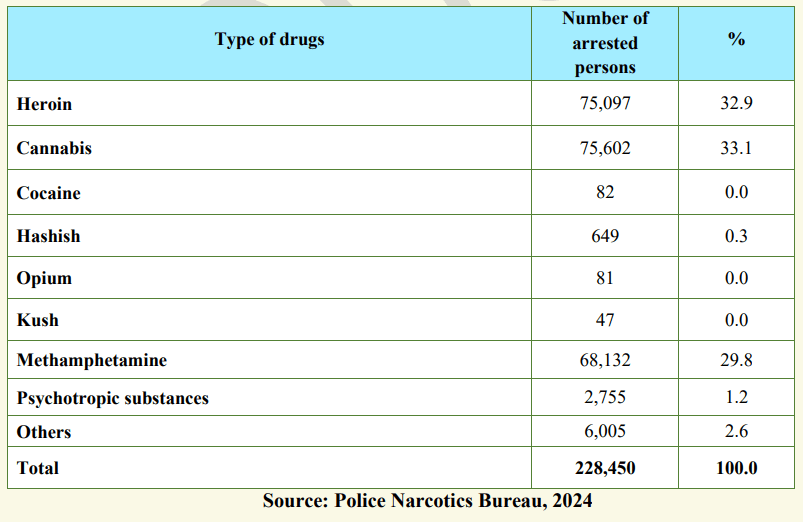
Then, these numbers changed into these in 2025 (January – July)
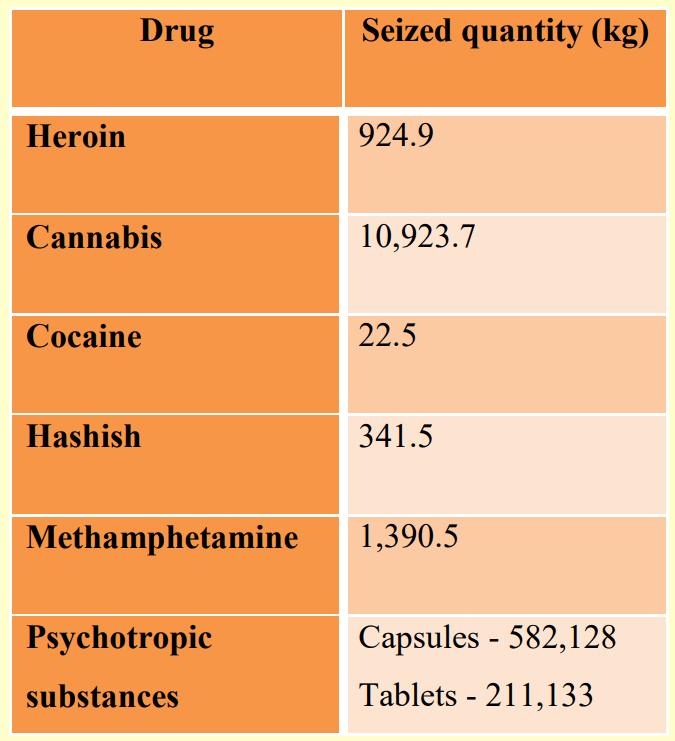
The two tables highlight one serious issue: the risk of children and urban adolescents being exposed to substances such as cannabis, heroin, and synthetic methamphetamine (ICE) continues to increase year after year, with no sign of decline, turning once-safe schools and neighbourhoods into targeted centres of drug transmission.
The Urgent Imperative
This initiative builds on past efforts. There were mandated awareness programs, initiatives and reforms but their enforcement lagged. A new reform for 2026, involving cross-agency collaboration (NDDCB, police, tobacco authority), tries to address these gaps by focusing on rehab over punishment, aligning with WHO guidelines. The focus of this imperative is holistic. The rehab referrals shift from criminalization to recovery, monitoring the above mentioned environments’ supply chains.
The meeting involved the National Authority on Tobacco and Alcohol (NATA), National Dangerous Drugs Control Board (NDDCB), and Education Ministry to draft a 2026 school-drug circular. This signals coordination especially with the inauguration of the National Mission ‘Ratama Ekata’ which can potentially handle the rising youth cases.
The Goal in Mind
Reforms like this often promise much but deliver little without teeth. One of the reasons why this could let drugs persist is the role of the police in controlling drugs through frequent raids that discourage local dealers. This effort is weakened by repeated corruption scandals such as the 2024 Navy methamphetamine trafficking cases which damage public trust and create perceptions of bias. At the same time, aggressive policing and raids can alienate vulnerable youth and push drug networks further underground.
Rehabilitation offers a more humane alternative by focusing on treatment rather than punishment. Yet access remains severely limited, with nationwide capacity at only about a few rehabilitation centres across the nation which ultimately questions rehabilitating every drug exposed is really possible and if these long waiting lists mean many referrals exist only on paper, not as real interventions.
Awareness campaigns aimed at protecting schools can help communities respond better, but the lack of dedicated funding for counseling leaves students exposed, making it harder to control through traditional policing.
Although the new circular calls for firm action, past experience raises concerns.
Police have reported that between January 1 and August 31, 2025, 206 children were taken into custody for drug-related offenses, though there were over 15,600 awareness programs being conducted to tackle the issue. This data reveals a troubling reality: previous initiatives often characterised by weak implementation of school drug prevention policies and limited involvement of principals and education offices may have contributed to worsening drug use among students.
This highlights the risk of repeating symbolic reforms without proper oversight, funding, and follow-through.
Therefore, before diving into these initiatives without considering their effects on the less visible aspects of society, it is imperative to conduct rigorous audits, provide teacher training, and implement community programs continuously to monitor both the decline and rise of drug use and to analyze ways in which these programs can be effectively implemented, not merely for the sake of doing so.
 Acadora