
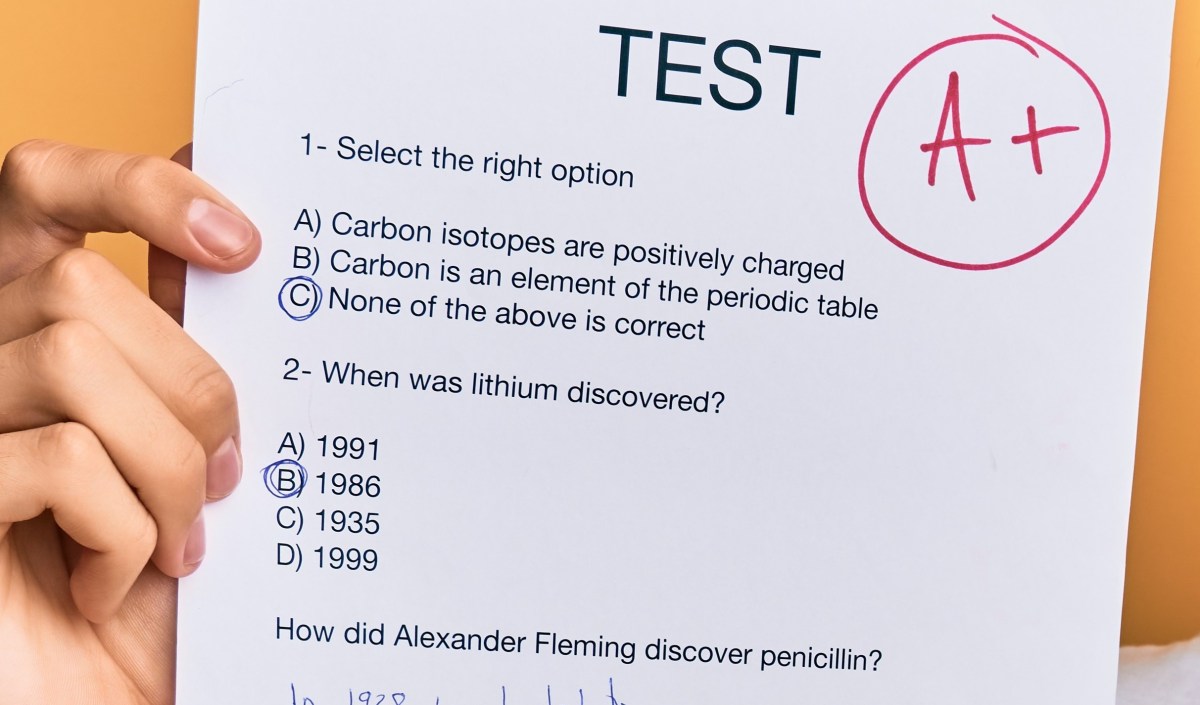
For generations, students have been taught the same formula for success: get good grades → get into a good college → get a good job → be successful. But as more people enter the workforce and life beyond school, it’s becoming clear that this equation is oversimplified and in some cases, misleading.
Grades measure academic performance, not life skills. Good grades typically reflect how well a student memorises information, follows instructions, and performs on tests. They don’t measure the practical skills most adults use daily in the workplace and in life, such as communication, decision-making, adaptability, and teamwork. Employers frequently report a noticeable gap in these areas among new graduates, even those with high academic scores. Studies show that many graduates lack skills like decision-making and teamwork that employers value most.
Real-world success depends on more than test scores. Research suggests that qualities such as resilience, creativity, emotional intelligence, and problem-solving often matter more than academic achievement alone. Psychologists like Angela Duckworth, author of Grit, argue that persistence and effort play a central role in life success, beyond innate ability or grades.
Similarly, educational critics point out that grading systems tend to reward conformity and compliance rather than curiosity and innovation, traits that are essential in today’s rapidly changing world.
Grades don’t predict leadership or creativity. A key weakness of traditional grading is that it rewards doing what is expected, not pioneering what is possible. Research highlighted by analysts like Eric Barker shows that top academic performers often excel at structured tasks but are no more likely than others to become innovators or leaders who reshape industries or solve complex societal problems.
Life Skills Aren’t Taught in a Classroom – They Are Practised
Many real-world skills like stress management, conflict resolution, financial planning, self-management, the ability to adapt to uncertainty, simply aren’t part of standard school grading. An article exploring shortcomings in school preparation points out that independence and self-management are assumed, not taught in most education systems, leading to young adults who struggle when structure disappears.
Luck, environment and opportunity matter too. Beyond personal attributes, research also shows that randomness and opportunity play a significant role in life outcomes. Some of the most successful individuals were not top academic performers early in life, but caught the right breaks, developed niche skills, or adapted to opportunities in ways that school tests simply do not measure.
Grades can open doors but they don’t keep them open!
It’s worth noting that grades do matter in certain contexts. Strong academic performance can help students get into universities and professional schools, and it does signal dedication and discipline to some employers. For many people, good grades are still valuable as a starting point, or as a way to access opportunities. But they are not a guarantee of long-term success and they shouldn’t be mistaken for a complete preparation for life beyond school.
Good grades are a useful indicator of academic effort and knowledge but they don’t measure the soft skills, adaptability, creativity, and resilience that make someone ready for the real world. Grades can open doors, but real-world success depends on a broader set of qualities that schools and employers increasingly value.
 Acadora