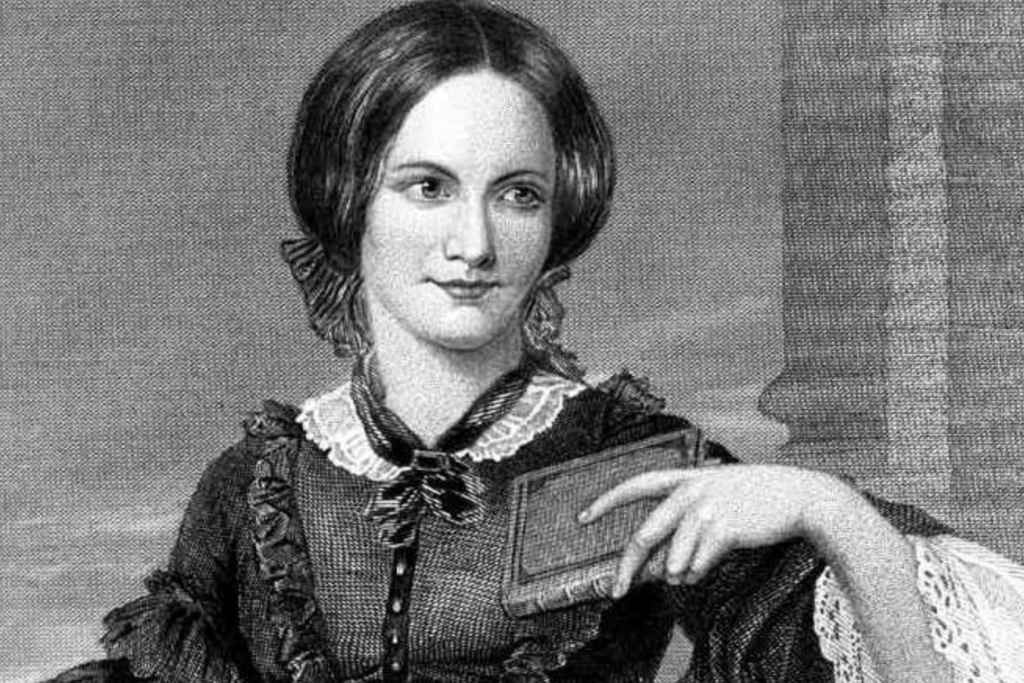
The Surprising Books Charlotte Brontë Loved and the Ones She Couldn’t Stand

We often imagine that great authors admire all the classics around them, but Charlotte Brontë, best known for Jane Eyre, had very strong and sometimes unexpected opinions about the books she read. Through her letters and personal writings, we see that she openly praised some novels while strongly criticizing others. Her reactions were honest and passionate, revealing how seriously she took storytelling, imagination, and emotional depth in literature.
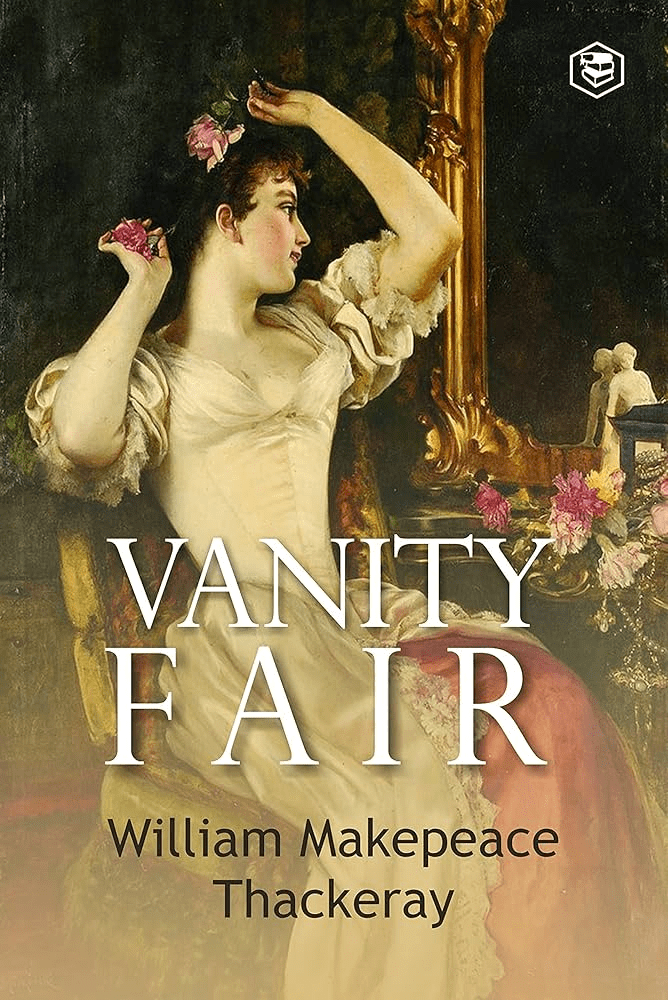
Among the novels she admired was Vanity Fair by William Makepeace Thackeray. She appreciated its sharp social commentary and the unforgettable character of Becky Sharp, a clever and ambitious woman navigating the strict social world of Victorian England.

Brontë also admired David Copperfield by Charles Dickens, praising its emotional depth and the way Dickens portrayed the struggles and growth of the main character from childhood to adulthood.

Another novel she respected was Uncle Tom’s Cabin by Harriet Beecher Stowe, which deeply moved readers with its powerful story about slavery and human suffering.
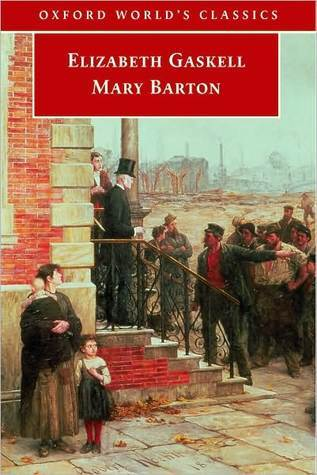
Other favorites included Mary Barton by Elizabeth Gaskell, which explores the harsh lives of factory workers in industrial England, Uncle Tom’s Cabin by Harriet Beecher Stowe, a powerful anti-slavery novel that moved readers across the world, and Madeleine, a Tale of Auvergne by Julia Kavanagh, a historical story about the life of a peasant girl in France. These works impressed Brontë with their emotional intensity, realism, and social insight.
However, Brontë’s opinions were not always positive. She famously disliked Pride and Prejudice by Jane Austen, describing it as lacking passion and imagination. While many readers love the novel for its wit and social observation, Brontë felt it was too restrained and emotionally distant.

She also disliked The Emigrant Family: or, The Story of an Australian Settler by Alexander Harris, feeling that it merely copied reality without creativity.

Other novels she criticized include Oliver Weld by Harriet Martineau, Modeste Mignon by Honoré de Balzac, and Azeth the Egyptian by Eliza Lynn Linton. In her view, these books either lacked originality, emotional depth, or the imaginative power she believed great literature should have.
She also found little interest in The Caxtons: A Family Picture by Edward Bulwer-Lytton, believing it did not offer the intensity or depth she valued in literature.

Somehow, these strong opinions tell us that even literary legends have their own unique tastes and sometimes they disagree with what the world later calls a masterpiece.

Sources: https://www.mentalfloss.com/literature/authors/novels-charlotte-bronte-loved-loathed

Also Read:

Letter to a Cadaver: Proof That Silence Can Teach

Letter to a cadaver,

I still remember the first day we’ve met. I felt nostalgic and heavy in a hall full of dead people. I wasn’t sure whether I am about to cut and open up a man who had experienced death. I was just 21 and had never felt, stood or touched anything that close to death.

All of us bowed down on that very day and observed silence for few minutes as a respect to your commitment for our medical education. The feeling that you were loved by someone sometime ago struck my heart very deep.

Despite my curiousity, enthusiasm and eagerness to learn, when my group mates moved the shroud over you, we altogether couldn’t possibly underestand the magnitude of your generiosity and selflessness in donating us your body in to which you have poured whole seventy years of your life with ups and downs and also the very last and only thing that you, truely owned.

Then my professor drew lines on your bear chest and started teaching us. We were told that the best anatomy book is infront of us, awaiting its pages to be turned. When the first incision was made on your bear skin, I felt a shiver running through my spine. I still ponder over whether it was because of the scalpel cutting you open or my hands touching your bear skin for the first time.

Day by day after each and every dissection class, I felt myself gradually brimming with awe, fascination and wonder. Little by little I felt you and your subject transforming me in to a person I have never known. I started reading textbooks and recollecting anatomical relationships instead of prayers before bedtime. I had a roommate constantly complaining me that I was muttering anatomical terms in sleep. I had bones piled up on my work desk and even nicknamed a human skull.

I became a fact-devourer and insidiously I started believing in explainable over unexplainable since I had been down inside your chest and held your heart in my palms. I cut your skull to see your brain inside and in all that I felt that your body is a house in which your soul had once resided. There was nothing left of real you or any part of your virtuous soul anywhere. It was gone, perhaps now in a new home in heaven.

I know not how to be thankful for allowing to discover, explore and learn everything in your earthly home which you have never seen yourself to people whom you have never met, seen or talked in real life. You had no place of yourself there uncut by our novice,unskilled scalpels.

Thank you very much.

Hoping to visit your new home when my time comes,

With lots of love and appreciation,

A dental student.

By Vishva Dissanayake.

Can Nabokov’s “Lolita” be Read as a Love Story?

Vladimir Nabokov’s Lolita can be known as one of the most misread novels in modern literature. Often mislabelled as a “love story,” Lolita never fails to spark discomfort, expose the horrors of human nature, and provoke debate and moral outrage. Yet, to ask whether Lolita can be read as a love story is not merely a question of interpretation; it is a test of how carefully one reads and how responsibly one responds to narrative voices.

Thus, the short answer is no: Lolita is not a love story but the novel is deliberately written to sound like one.

Nabokov employs Humbert Humbert, the novel’s narrator, with dazzling linguistic brilliance. His language use, prose, and poems are lyrical and witty yet emotionally manipulative. Through carefully chosen words, Humbert not only charms the novel’s characters but also attempts to manipulate readers into sympathizing with him and his acts of abuse.

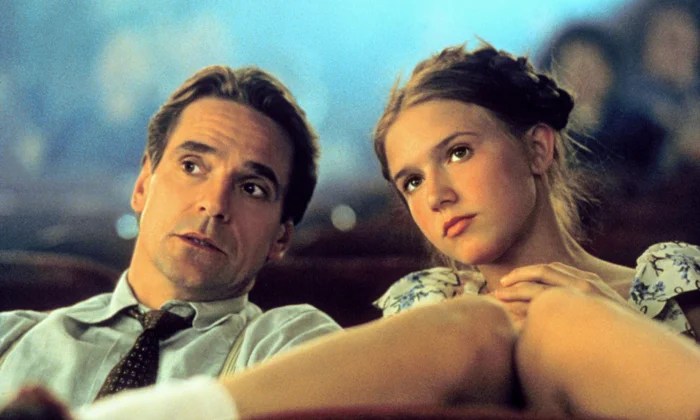
Image credits: The Guardian

Even though this manipulation feels intentional, Nabokov himself once stated that Lolita has “no moral in tow,” meaning that he is not preaching a lesson or explicitly telling readers what is right or wrong. Yet, it is widely agreed that the novel is profoundly ethical in its construction. The way the story is structured, the language is used, and the perspective is chosen forces readers to confront uncomfortable truths about manipulation, abuse, and self-deception at their peak.

By allowing the narrator to tell his own story, Nabokov exposes how eloquence can disguise cruelty, and how literature, brilliance, charm, and aesthetics can be used to justify the unjustifiable.

So, if Lolita feels like a love story to some readers, it is because Humbert wants it to feel that way.

Love, in its most basic sense, is rooted in consent, mutual recognition, and the genuine valuing of one another’s autonomy. Humbert’s feelings for Dolores Haze, whom he renames “Lolita”, meet none of these characteristics. Instead, what he experiences is obsession, possession and control, filtered through self-pity.

Dolores, on the other hand, is tragically denied a voice, leaving readers to know her only through Humbert’s narration. This minimizes her pain and resistance, reframing them as flirtation and acceptance. The reader is therefore pushed to believe only the version of the events Humbert uncovers as truth.

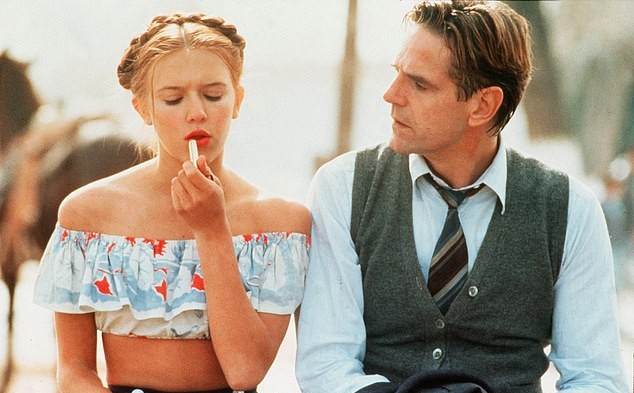
Image credits: Daily Mail

This brings us to another crucial question: can Lolita be a love story if it were presented in the voice of Dolores, the very child Humbert harms and over whom he exerts total control?

Doubtlessly, we can say that one of Nabokov’s greatest achievements in Lolita is placing the reader in an intensely uncomfortable position. The novel does not ask us to reflect on the beauty or pain of romance and love; instead, it asks how easily we can be persuaded by beautiful language, and how often we mistake intensity for love. Readers who interpret Lolita as a tragic romance often do so by overlooking Dolores altogether. This, too, is part of the novel’s design.

One major point to remember, however, is that Nabokov does not romanticize abuse; rather, he reveals how society and readers can become complicit in doing so.

If this question unsettles you (as it should), read Lolita by Vladimir Nabokov slowly and critically, with attention to what is said and what is silenced. If reading feels difficult, watch the 1997 film adaptation with the same awareness.

The story demands reflection, not comfort.

Haikus: Dark Mode Collection

Ocean (a day in St Kilda):

Light skies hide behind

dark filters and blue-hued paint.

Three hearts glow orange.

City:

A lone chair

in a car park in a big city

where big buildings rose.

6/12/25:

A ceiling moth watched

yeast rise dark brown and macaroons melt

to the sunset.

Blue Pt.1:

Blue painted me 

as I drove into night blue skies

and neon blue streets.

Blue Pt.2:

We drove miles into

a blue-lit ghost town, where nights

turned to blue sunrise.

7/12/25:

Fog creeps between blinds

engulfing everything in a blur

but the light.

5/12/25:

Alice escaped the room

where people watched her grow.

She found Wonderland.

Cold:

‘Did dinosaurs feel cold

when death creeped on them’

I wondered one cold noon.

Take Me Back:

Could time take me back

like new waves at shore

that wash back to sea, back home.

by Helani Munidasa

Check out her Substack to explore more of her Haikus and other pieces.

DARKNESS

You were able to surrender me
Under the coldness that I loathed
Chilling every pore of mine.You let me go blind nervously,
Abandoning me
Inside you
When I was a child.But now,
I embrace that iciness,
I get myself enveloped cozily
In that same frostiness
Trying to find solutions
Seeking through you
For the darkest days
Denser than you
Without letting me go blind
To heal my tormenting self.

Poem by Prabashi Munipura.

If this poem resonated with you, take a moment to sit with it or share it with someone who might understand because growing up and learning to embrace emotional coldness is a quiet yet powerful sign of resilience and it should never go unnoticed.

සෑ ගිරිය___

සෑ ගිරිය ලස්සනට
එකම එක දවසකදි
මං දුටු වා
එදා ඒ පොසොන් සඳ
විතරමයි කළ එළිය
කල එළිය……..

වෙන මොනව කියන්නද
තෙරුවන් සරණයි
ලං. වි. ම. ට
වැඩ වරා සිටි හෙයින්
එදවසට………..

ආගම නෑ ඒ දවසට
මට බාධා කළේ
සොබා දහම බුදුවෙනු රඟ
දුටුමි අහස් තලේ
තෘෂ්ණාවෙන් බැබලි බැබලි
නොයිද ගිමන් හලේ
ආයේ එහෙම කවදානම්
දකිම් මිහින්තලේ…….

ගාමිණී රුබේරු.

Anchor

Storm clouds gathered on every front,
Waging a war on every name,
Claiming blood before life stood a chance,
Carving defeat in its sheath.

Betrayals loomed in every horizon,
Spitting hail in every direction,
That life stretched on empty air –
Broken promises and tears.

Amidst them all- a name clanged,
Across the seven seas,
Whispering of prayers unheard,
And new beginning undreamt of.

Anchored I became by your tug,
Pulling my wayward soul hither,
Every day turning into a dawn I dared,
Seeking a home in you.

3 years passed by and we stand tall,
Defying the world that burnt us,
Carving a solace in you –
That I dare call my own?

Broken hopes turned to promises,
Disbelief into wonder –
And every day into a dream,
I never thought I could own.

My heart beats for you –
Echoing of a warmth –
That feels, smells like home
And you.

I was buried six feet under now,
But now I live –
With the love you give,
In every message. Every call –
And every text that ends in unspoken emotions.

Poem by Dinali Jayathma,
BA English (Hons)

Giving Voice to Human Emotions and Imagination

Poetry is among the oldest, most resilient modes of expression made possible by the human gift of life. Long before stories were penned into books, poetry was spoken, sung, and carried through generations as a way to share emotions, beliefs, and experiences and even to this day, poetry remains a force that has the astonishing ability to shape languages, cultures, and personal expressions in endlessly deep ways.

What makes poetry so worthy is that it can capture deep emotions with simplicity and meaning. Joy, sorrow, love, loss, hope, and fear can all be distilled into just a few well-chosen lines. The poets transform these very ordinary experiences into powerful emotional journeys through imagery, rhythm, and figure of speech. It is in this connection that the readers can feel seen, comforted, and inspired, and that reminds us that words, when woven with care, can touch the heart in ways nothing else can.

Poetry stirs the imagination and creativity in their readers, inviting them to look beyond the literal meaning to find deeper meanings. It provides an opening to unique interpretation and personal connections with metaphors, symbols, and rhythm. Such creative engagement, apart from strengthening artistic appreciation, nurtures critical and creative thinking in souls of any generation.

Why writers and poets encourage learning the art of poetry in education as well is because the role poetry plays in language development and personal growth is indescribable. It not only enriches vocabulary, sharpens pronunciation, improves reading fluency but also helps discover ways to interpret meaning, recognize literature in any discourse, and appreciate the beauty of language.

Once you get into poetry, you will hypnotize yourself with the power of your own words. You will witness your passion for self-expression, giving you the confidence to share your thoughts and emotions with clarity and authenticity.