Meet Dr. Dharshi Jayasekera: A Voice of Natural Healing in Sri Lanka

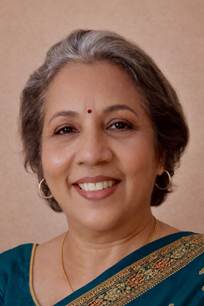
Dr. Dharshi Jayasekera is one of the well-known naturapathic practitioners in Sri Lanka and her practice integrates Ayurveda, conscious breathing, acupuncture and yoga, all rooted in her belief that true healing begins with self-awareness.

Dr. Dharshi’s journey into healing was never conventional. In her early years, she pursued a career as a primary teacher, teaching children between the ages 8 and 12. When we asked how she knew that she had the healing abilities, she reflected on how people often felt their pain ease through her therapeutic touch. She clarified that it was not something mystical or “possessed”, rather, it was about understanding the body, creating awareness and applying precise therapeutic touch to the right areas to help the pain ease naturally.

When Life Had Other Plans for Her

During her time in education, she was diagnosed with rheumatoid arthritis affecting her hip joint and making it extremely painful to walk or even sit for long periods. At the same time, she was facing other health complications, including thalassemia and womb-related issues. She recalled that Western Medicine offered little relief and doctors were unable to provide a long-term solution to her condition at the time.

No one, at the time, could have imagined that these painful health struggles would become the very turning point that guided her toward her true calling.

Dr. Dharshi explained to us that during this difficult period of her life, a friend introduced her to meditation. At the time, Dr. Dharshi was a devout Christian and had even spent 8 years as a “Servant of God” before becoming a teacher. Therefore, meditation was unfamiliar territory for her. Yet, her years in religious life had already made her powerful, particularly with the practice of praying deeply for others. But then, when she realized that praying for the well-being of others alone does not satisfy her salvation to find herself, she started her journey into meditation.

Her Journey from Faith to Inner Awakening

When she was introduced to meditation, her journey deepened. She travelled to India and completed a 10-day Vipassana meditation program at Igatpur, Mumbai. There, she learned discipline, self-observation and a fundamental truth: meditation has nothing to do with the outside world and it is entirely an inward journey.

It was also during this time that she was introduced to yoga; something she had never encountered/heard before. In 2007, yoga was still not widely discussed in her circles but she later had the rare opportunity to learn directly under Sadhguru at the Isha Foundation, India, completing an intensive 21-day program that included strict yogic practices and a vegetarian discipline.

What she experienced during this period was transformative. She recalls witnessing her body heal the pain that once restricted her from any movement. For the first time in years, she felt completely free within her own body through what she had been learning.

Returning to Sri Lanka, she began teaching yoga. For her, yoga was not just physical exercise; it was a science of calming the body, disciplining the mind, and sharpening concentration. Curious about her own transformation, she pursued further studies in yoga therapy and naturopathy at S-VYASA University, Bengaluru.

While studying in Bengaluru, she was learning under the guidance of Shri Shri Ravishankar. There, she refined her Pranayama techniques and with every lesson, every retreat, she felt her life unfolding in a “new form”, which is clearer, lighter and more purposeful.

Her Journey Did Not Stop There

She immersed herself in Pranayama (conscious breathing techniques), recalling her guru’s words: “If you don’t breathe properly and connect with your breathing, you’re disconnected from life itself.” This realization led her to deepen her practice in Anapana meditation, a form of breath awareness.

She also completed more than fifteen 10-day Vipassana retreats, each time reconnecting more deeply with herself. And she believes that everything required for holistic healing, including mind, body and spirit is interconnected through conscious breathing.

In 2013, she came back to Sri Lanka and started teaching Yoga as a Yoga instructor and today, many of her earliest yoga students remain with her. These individuals who began their journey years ago as young students are now in their 70s and 80s.

Remarkably, many of them live without any chronic pain and without dependency on medication. They maintain impressive physical flexibility and mental clarity as well.

Healing With Awareness: Yoga, Breath, and the Art of Pulse Diagnosis

When Dr. Dharshi decided to formally practice naturopathy, she faced a major challenge: Sri Lanka did not yet have a licensing system for the field. Determined to pursue her calling, she enrolled in a degree in Ayurveda at ITCM in Gampaha to get the certificates necessary to obtain the official license. She expanded her skills by learning cupping and acupuncture under Dr. Tennakoon from the Colombo Ayurvedic Hospital.

Though she is trained in multiple modalities, she highlighted that her mainstream practice focuses on Yoga, breathing techniques, acupuncture and Ayurveda, particularly in treating heart patients.

“There are many people who were advised to undergo heart surgery by doctors,” she shared, “they come to me and through breathing techniques, I have helped them release heart blockages naturally.”

Dr. Dharshi also possesses an extraordinary ability: pulse diagnosis. With no formal training, she accurately reads a patient’s pulse, intuitively determines where the problem lies in their body and advices how to heal it. When doing so, she clarifies that this is not a supernatural power or possession. Her practice is rooted in self-awareness, meditation and breathing, while she maintains deep respect for all religions equally.

“I believe in Dhamma and I strive to discipline myself according to Seela (moral conduct). This discipline extends to my patients when they come to me. Regardless of their occupation, I become their servant. I touch each of them with respect, love, empathy and focus to the extent that it allows me to truly feel what they are experiencing,” she explained.

One favor she asks from everyone reading this article, ” If you have a tree at home, start loving that tree loudly and dearly and whenever you are tensed or your health struggles seem to overpower you, hug that tree. The relief you’ll feel is unimaginable and inexplicable. You will heal yourself through the love you and your tree develop towards each other.”

For Dr. Dharshi, healing was never about miracles. It was about awareness, discipline, breath and reconnecting to the intelligence of the body.

She conducts group healing sessions, travelling to small villages to teach topics such as pelvic awareness. She emphasizes practical education and is always open to discussions.

For those interested in learning from her or arranging a session, she warmly invites you to contact her directly to explore how her teachings and therapies can support your well-being.

Contact her: +94 77 222 7573

Do You Also Feel Like You’re Running Out of Time?

Do you ever feel like everyone else is moving ahead while you are somehow falling behind? Like the clock is ticking louder for you than for everyone else? Though this can come from career milestones, relationships, financial stability, academic achievements, or personal goals, the pressure to “be somewhere” by a certain age has quietly become one of the most stressful burdens of modern life.

If you feel like you are running out of time, you are not alone. But more importantly, you may not actually be behind.

The Illusion of the Timeline

From a young age, we are subtly handed a timeline. Graduate by this age. Get a stable job by that age. Be successful before 30. Build something impressive before 40. These expectations are rarely questioned, yet they shape how we measure our worth. Social media amplifies this pressure by constantly showcasing highlight reels of other people’s achievements, making it seem as though success has a universal deadline.

The problem is that life does not operate on a fixed schedule. Timelines are social constructs, not biological truths. People grow, succeed, fail, restart, and reinvent themselves at dramatically different stages of life. Comparing your chapter three to someone else’s chapter ten creates unnecessary anxiety.

Why the Feeling Feels So Real

The sensation of “running out of time” is often rooted in fear, fear of missed opportunities, fear of regret, fear of being judged, or fear of not reaching your potential. When we constantly think about what we have not done yet, our brain shifts into threat mode. This creates urgency, stress, and self-doubt.

Ironically, this mental pressure can slow progress. Instead of focusing on meaningful action, we become overwhelmed by the gap between where we are and where we think we should be. The more we panic about time, the less effectively we use it.

Productivity Is Not the Same as Purpose

Another reason this feeling persists is the confusion between busyness and progress. Being constantly busy can create the illusion that we are moving forward, but not all activity leads to growth. When we chase productivity without clarity, we exhaust ourselves while still feeling behind.

True progress begins when you define what actually matters to you. Are your goals genuinely yours, or are they shaped by external expectations? When your direction is aligned with your values, the pressure of time begins to lose its intensity.

You Are Not Late; You Are Learning

Every phase of life teaches something essential. Periods of uncertainty build resilience. Detours develop perspective. Slow seasons create clarity. What may feel like “lost time” often becomes foundational experience later.

Many successful individuals reached their breakthroughs later than society would consider ideal. Some changed careers in their 40s or 50s. Others discovered their purpose after years of confusion. Growth is rarely linear, and progress is rarely visible in real time.

Reclaim Your Sense of Time

Instead of asking, “Am I running out of time?” try asking, “What can I do with the time I have today?” Shifting from fear to intention changes everything.

Start by narrowing your focus. You do not need to fix your entire life this year. You need to move one meaningful step forward today. When you concentrate on small, consistent actions rather than distant outcomes, time begins to feel like an ally instead of an enemy.

Reduce comparison where possible. Curate your digital environment. Spend more time measuring yourself against your past version rather than someone else’s present highlight.

Most importantly, give yourself permission to grow at your own pace. Life is not a race with a universal finish line. It is a personal journey with different routes, speeds, and destinations.

Related Reads:

The 20-Minute Rule That Could Save Your Relationship This Valentine’s

Why do some couples survive explosive fights while others slowly fall apart? It’s not because they fight less. It’s not because they “found the perfect person” and it’s definitely not because they agree on everything.

According to world-renowned psychologist Dr. John Gottman, the real difference comes down to something surprisingly simple: How quickly they recover.

The Hidden Danger After an Argument

When couples argue, their bodies react as if they’re facing a real threat. Heart rate increases. Stress hormones flood the system. The nervous system shifts into fight-or-flight mode.

And the problem happens when the longer you stay in that heightened state, the harder it becomes to feel empathy, listen properly, solve problems and offer emotional repair. Your body starts treating your partner like the enemy, even if your heart knows they aren’t.

Gottman’s research found that couples who remained physiologically activated after conflict experienced steep drops in relationship satisfaction over time. It wasn’t the argument that destroyed them.

It was the lack of recovery.

The 20-Minute Reset That Changes Everything

The helpful part is couples who took just 20 minutes to calm their nervous system were able to return to the conversation regulated and emotionally available.

Twenty minutes of

Not ignoring the issue.
Not suppressing feelings.
Not walking away forever.

Just pausing long enough for the body to reset.

When your nervous system calms down, empathy becomes accessible again, you can actually hear what your partner is saying, repair becomes possible and connection can rebuild. So, instead of trying to win the argument, you protect the relationship.

With Valentine’s Day Around the Corner…

Everyone talks about flowers, gifts, and romantic dinners. But the healthiest relationships aren’t built on one perfect day.

They’re built on moments like choosing to pause, choosing to regulate and choosing to repair.

So instead of proving your point this Valentine’s, try proving your commitment and the next time an argument escalates, say: “Let’s take 20 minutes and come back to this.”

That one sentence might be more powerful than any grand gesture.

Love is not all about grand gestures and sweet talks. It’s about learning how to return to each other after fights and choose to repair what just got broken. The strongest couples aren’t the ones who never fight. They’re the ones who know how to reset.

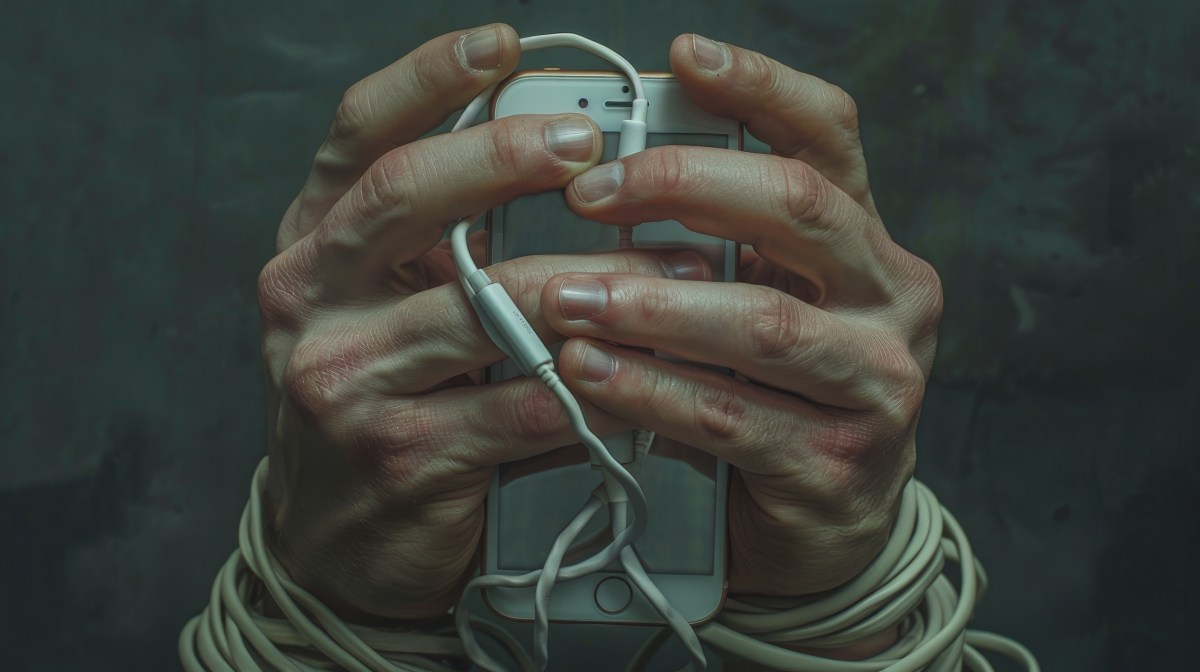
Break Free from Phone Addiction: Spot It, Stop It, Transform Your Mind

Shocking Stat: Phones Triple Suicide Risk in Teens : Adolescents spending 5+ hours daily on phones face a 71% higher risk of suicide factors than those using just 1 hour, per a major study.

Phone addiction sneaks up on everyone very quietly. You grab your phone for a quick check, and hours vanish in endless scrolls through social media, videos or even games. This habit doesn’t just steal time; it harms focus, sleep, relationships, and mental health. Good news: you can spot it early and make real changes for a clearer mind.

Key Signs You’re Addicted to Your Phone

Look for these common red flags. If three or more describe your daily routine, addiction likely has a hold on you.

  • Endless checking:  Your hand reaches for the phone every 5-10 minutes, even during meals, drives, or late-night hours, driven by the ping of notifications.

  • Can’t focus:  Simple tasks like reading a page, working on a report, or having a deep conversation become impossible as your thoughts wander back to the screen.

  • Anxiety without it: Being phone-free for an hour triggers restlessness, irritability, sweating, or panic, like a mild panic attack without your digital fix.

  • Neglect real life: Housework piles up, workouts get skipped, and friends go ignored while you lose yourself in feeds, reels, or chats that feel urgent but aren’t.

  • Sleep issues: Blue light suppresses melatonin, keeping you wired; you doomscroll in bed, turning 10 minutes into 2 a.m.

  • FOMO hits hard: Fear of missing out forces constant refreshing of apps, chasing likes, stories, or updates that rarely deliver real joy.

  • Body signals ignored: Sore neck from “text posture,” dry eyes from glare, headaches, or “phantom buzzes” where you swear it vibrated but it didn’t.

These patterns aligns with other substance addictions as it happens in Cocaine or Meth abuse, in phone addiction as well, your brain rewires itself’s reward system for dopamine hits.

Step-by-Step Mental Transformation

Quitting isn’t just willpower; it’s rewiring habits for lasting freedom. Follow this plan and track your progress in a notebook.

Week 1: Audit and Detox

Install your phone’s screen-time tracker (like Apple’s or Android’s) to reveal shocking daily hours. Go cold turkey on non-essentials: delete addictive apps temporarily, enable grayscale mode (makes colors dull and less tempting), ban phones from bedrooms and meals. Start “phone-free zones” and replace urges with a 10-minute walk outside, fresh air resets your mind fast.

Week 2: Replace the Habit

Fill voids with real joys. Dopamine from likes fades quick; chase natural highs instead.

  • Hit the gym, jog, or dance, endorphins flood better than any notification.
  • Replace texting with voice calls or in-person meetups; real voices build deeper bonds.
  • Dive into hobbies like drawing, cooking, or playing an instrument, hands-on joy crowds out scrolling.

Week 3: Build Mindfulness

Practice 10-minute daily meditation (apps like Headspace, but set a timer). When the urge hits, pause and label it: “This is just a craving,it’s temporary.” Practice deep breathing: inhale for 4 counts, hold 4, exhale 4. Over time, urges weaken as you regain control of your attention span. Gain power to notice urges without acting and say, “I feel the pull, but I choose focus.”

Ongoing: Redefine Success

Measure wins weekly: note improved sleep quality, laser focus at work, or laughter-filled hangouts. Join accountability groups (online forums or friends) for no-phone dinners. Redefine success by hours offline, not likes earned.

For stubborn cases, cognitive behavioral therapy (CBT) helps reframe your thoughts, many see 80% reduction in use after sessions. Real people transform and your brain’s plasticity means change sticks fast with consistency.

Ready to reclaim your life? Pick your top sign and first step today. What’s it going to be?

Sources:

  • Addiction to Smartphones in the United States in 2023, by Generation by Federica L.