
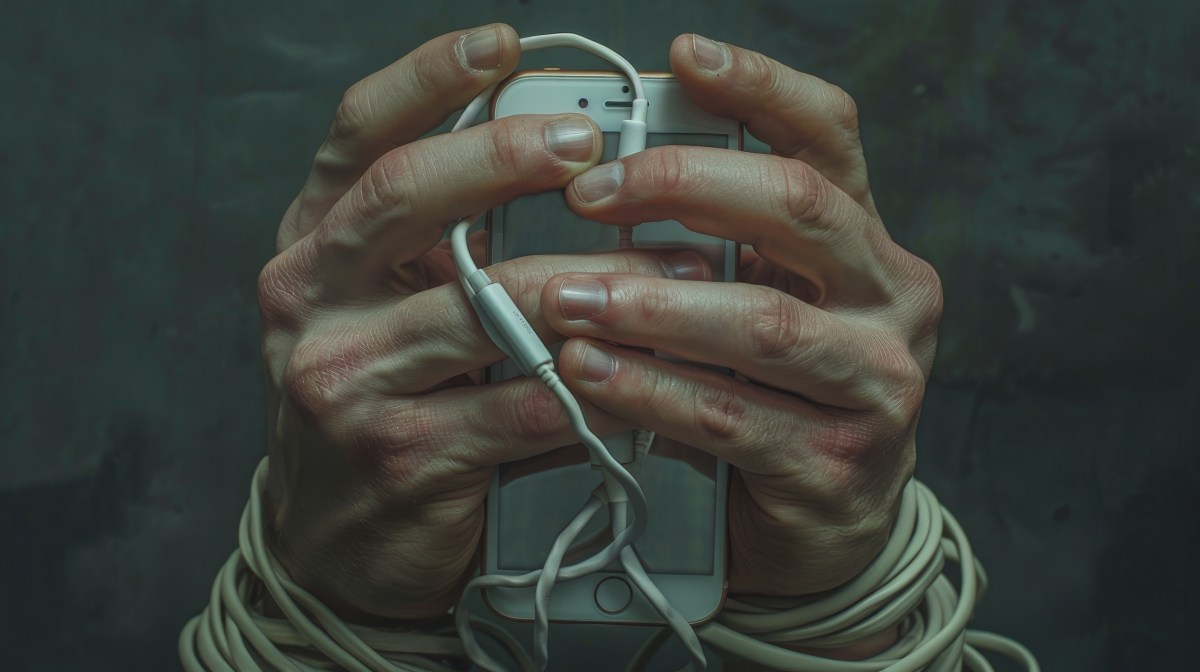
Shocking Stat: Phones Triple Suicide Risk in Teens : Adolescents spending 5+ hours daily on phones face a 71% higher risk of suicide factors than those using just 1 hour, per a major study.
Phone addiction sneaks up on everyone very quietly. You grab your phone for a quick check, and hours vanish in endless scrolls through social media, videos or even games. This habit doesn’t just steal time; it harms focus, sleep, relationships, and mental health. Good news: you can spot it early and make real changes for a clearer mind.
Key Signs You’re Addicted to Your Phone
Look for these common red flags. If three or more describe your daily routine, addiction likely has a hold on you.
- Endless checking: Your hand reaches for the phone every 5-10 minutes, even during meals, drives, or late-night hours, driven by the ping of notifications.
- Can’t focus: Simple tasks like reading a page, working on a report, or having a deep conversation become impossible as your thoughts wander back to the screen.
- Anxiety without it: Being phone-free for an hour triggers restlessness, irritability, sweating, or panic, like a mild panic attack without your digital fix.
- Neglect real life: Housework piles up, workouts get skipped, and friends go ignored while you lose yourself in feeds, reels, or chats that feel urgent but aren’t.
- Sleep issues: Blue light suppresses melatonin, keeping you wired; you doomscroll in bed, turning 10 minutes into 2 a.m.
- FOMO hits hard: Fear of missing out forces constant refreshing of apps, chasing likes, stories, or updates that rarely deliver real joy.
- Body signals ignored: Sore neck from “text posture,” dry eyes from glare, headaches, or “phantom buzzes” where you swear it vibrated but it didn’t.
These patterns aligns with other substance addictions as it happens in Cocaine or Meth abuse, in phone addiction as well, your brain rewires itself’s reward system for dopamine hits.
Step-by-Step Mental Transformation
Quitting isn’t just willpower; it’s rewiring habits for lasting freedom. Follow this plan and track your progress in a notebook.
Week 1: Audit and Detox
Install your phone’s screen-time tracker (like Apple’s or Android’s) to reveal shocking daily hours. Go cold turkey on non-essentials: delete addictive apps temporarily, enable grayscale mode (makes colors dull and less tempting), ban phones from bedrooms and meals. Start “phone-free zones” and replace urges with a 10-minute walk outside, fresh air resets your mind fast.
Week 2: Replace the Habit
Fill voids with real joys. Dopamine from likes fades quick; chase natural highs instead.
- Hit the gym, jog, or dance, endorphins flood better than any notification.
- Replace texting with voice calls or in-person meetups; real voices build deeper bonds.
- Dive into hobbies like drawing, cooking, or playing an instrument, hands-on joy crowds out scrolling.
Week 3: Build Mindfulness
Practice 10-minute daily meditation (apps like Headspace, but set a timer). When the urge hits, pause and label it: “This is just a craving,it’s temporary.” Practice deep breathing: inhale for 4 counts, hold 4, exhale 4. Over time, urges weaken as you regain control of your attention span. Gain power to notice urges without acting and say, “I feel the pull, but I choose focus.”
Ongoing: Redefine Success
Measure wins weekly: note improved sleep quality, laser focus at work, or laughter-filled hangouts. Join accountability groups (online forums or friends) for no-phone dinners. Redefine success by hours offline, not likes earned.
For stubborn cases, cognitive behavioral therapy (CBT) helps reframe your thoughts, many see 80% reduction in use after sessions. Real people transform and your brain’s plasticity means change sticks fast with consistency.
Ready to reclaim your life? Pick your top sign and first step today. What’s it going to be?
Sources:
- Addiction to Smartphones in the United States in 2023, by Generation by Federica L.
 Acadora