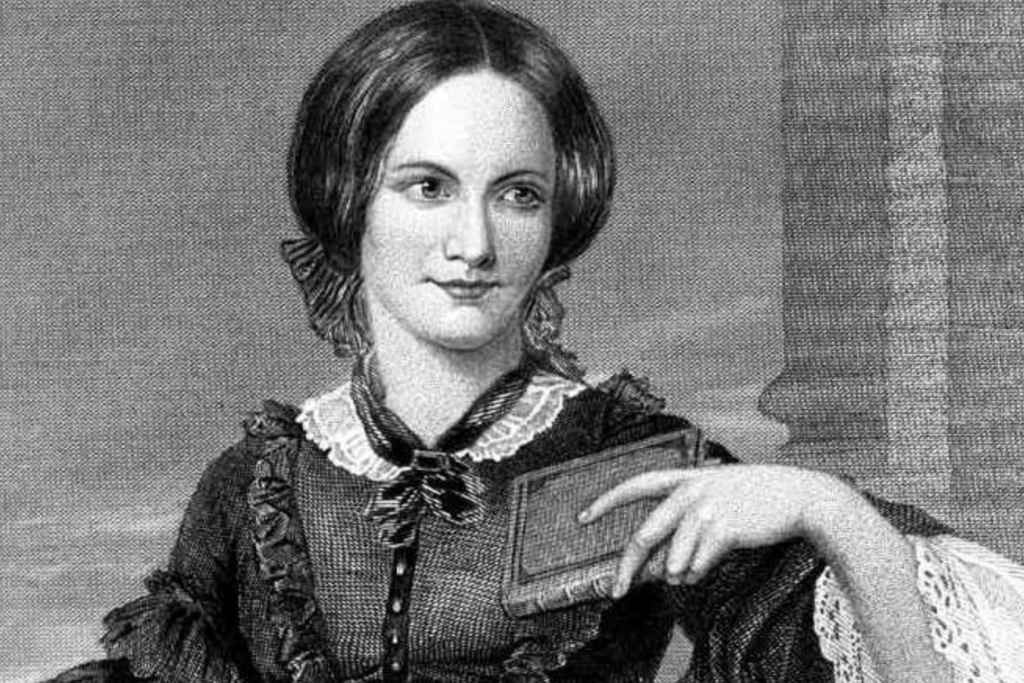
We often imagine that great authors admire all the classics around them, but Charlotte Brontë, best known for Jane Eyre, had very strong and sometimes unexpected opinions about the books she read. Through her letters and personal writings, we see that she openly praised some novels while strongly criticizing others. Her reactions were honest and passionate, revealing how seriously she took storytelling, imagination, and emotional depth in literature.
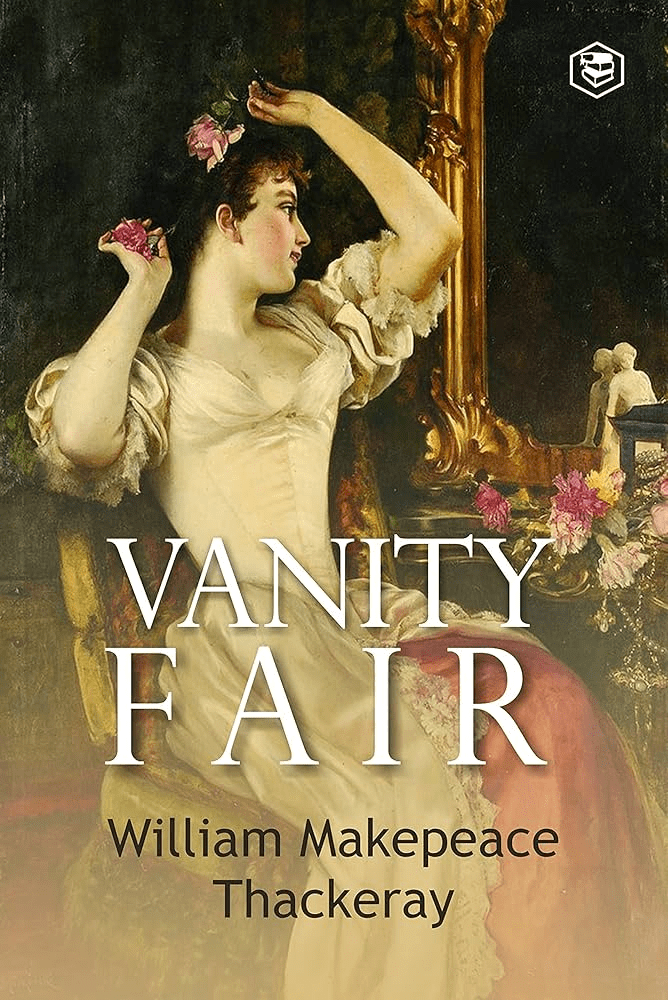
Among the novels she admired was Vanity Fair by William Makepeace Thackeray. She appreciated its sharp social commentary and the unforgettable character of Becky Sharp, a clever and ambitious woman navigating the strict social world of Victorian England.
Brontë also admired David Copperfield by Charles Dickens, praising its emotional depth and the way Dickens portrayed the struggles and growth of the main character from childhood to adulthood.
Another novel she respected was Uncle Tom’s Cabin by Harriet Beecher Stowe, which deeply moved readers with its powerful story about slavery and human suffering.
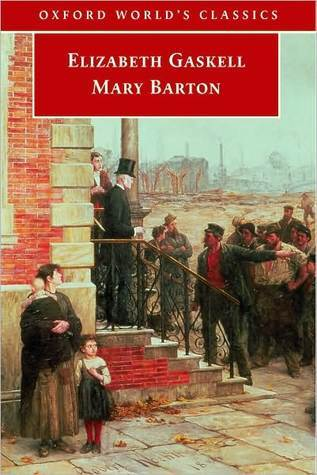
Other favorites included Mary Barton by Elizabeth Gaskell, which explores the harsh lives of factory workers in industrial England, Uncle Tom’s Cabin by Harriet Beecher Stowe, a powerful anti-slavery novel that moved readers across the world, and Madeleine, a Tale of Auvergne by Julia Kavanagh, a historical story about the life of a peasant girl in France. These works impressed Brontë with their emotional intensity, realism, and social insight.
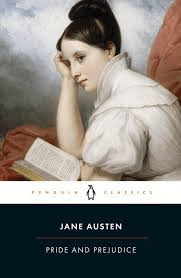
However, Brontë’s opinions were not always positive. She famously disliked Pride and Prejudice by Jane Austen, describing it as lacking passion and imagination. While many readers love the novel for its wit and social observation, Brontë felt it was too restrained and emotionally distant.
She also disliked The Emigrant Family: or, The Story of an Australian Settler by Alexander Harris, feeling that it merely copied reality without creativity.
Other novels she criticized include Oliver Weld by Harriet Martineau, Modeste Mignon by Honoré de Balzac, and Azeth the Egyptian by Eliza Lynn Linton. In her view, these books either lacked originality, emotional depth, or the imaginative power she believed great literature should have.
She also found little interest in The Caxtons: A Family Picture by Edward Bulwer-Lytton, believing it did not offer the intensity or depth she valued in literature.
Somehow, these strong opinions tell us that even literary legends have their own unique tastes and sometimes they disagree with what the world later calls a masterpiece.
Sources: https://www.mentalfloss.com/literature/authors/novels-charlotte-bronte-loved-loathed
Also Read:
 Acadora