
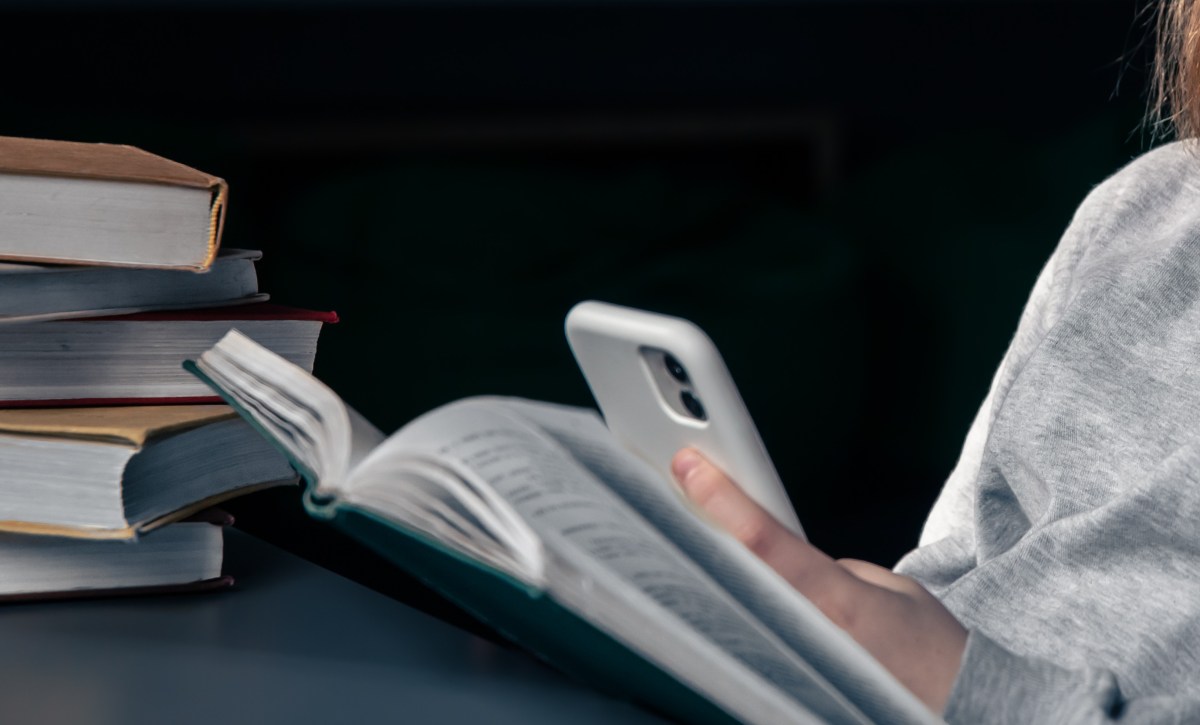
Imagine a child picking up a storybook and trying to swipe the page like it’s a smartphone screen. This moment actually reveals something real about how technology has shaped the way the youngest generation interacts with the world.
A recent survey of primary school teachers in the UK found that nearly one in three kids just starting school didn’t intuitively use a book the traditional way and some even reached out to tap or swipe paper pages as if they were digital screens.
Why Phones First and Books Second?
This is not just a silly misunderstanding. it reflects how deeply smartphones and tablets are woven into kids’ early lives. Many children today have grown up surrounded by touchscreens, voice assistants, and apps that respond instantly to every gesture. So it’s almost unsurprising that a curious preschooler might expect a book to “work” the same way.
The survey didn’t just look at book handling. It also showed that some children are arriving in school without what used to be considered basic “school-ready” skills like eating independently, drinking from a cup confidently, or using the toilet on their own.
Some early childhood research links heavy screen exposure at a very young age with delays in things like language, social interaction, and fine motor development, the kinds of skills you would normally build by interacting with books, puzzles, and peers.
Other studies have suggested that when children have more devices in the home, they actually read less by choice, especially in unrestricted screen environments.
This isn’t to say technology is inherently bad. Many parents and educators find digital tools valuable when used thoughtfully. But when screens become the default way to interact, children may sometimes miss out on the early physical and social learning experiences that books, play, and face-to-face conversation encourage.
Some schools are now experimenting with changes like phone-free classrooms or less emphasis on digital devices during early years so that children can develop focus, curiosity, and interpersonal skills without constant screen stimulation.
Parents, too, are encouraged to balance screen time with old-fashioned play, reading together, and letting kids explore the world with their hands and senses, not just their fingertips.
This isn’t just a funny story about kids and their gadgets. It’s a small snapshot of a larger cultural shift: Technology is reshaping childhood and that shift shows up in how kids learn to interact with even the simplest things like a book.
Whether we see it as adaptation, disruption or both, it’s worth paying attention to what kids are learning first and how that shapes how they see the world.
Sources: Children Starting School Are Trying to Swipe Books Like They’re Phones
Related Read:
 Acadora
One thought on “Kids Swiping Books Like Phones: Losing Childhood to Technology”