
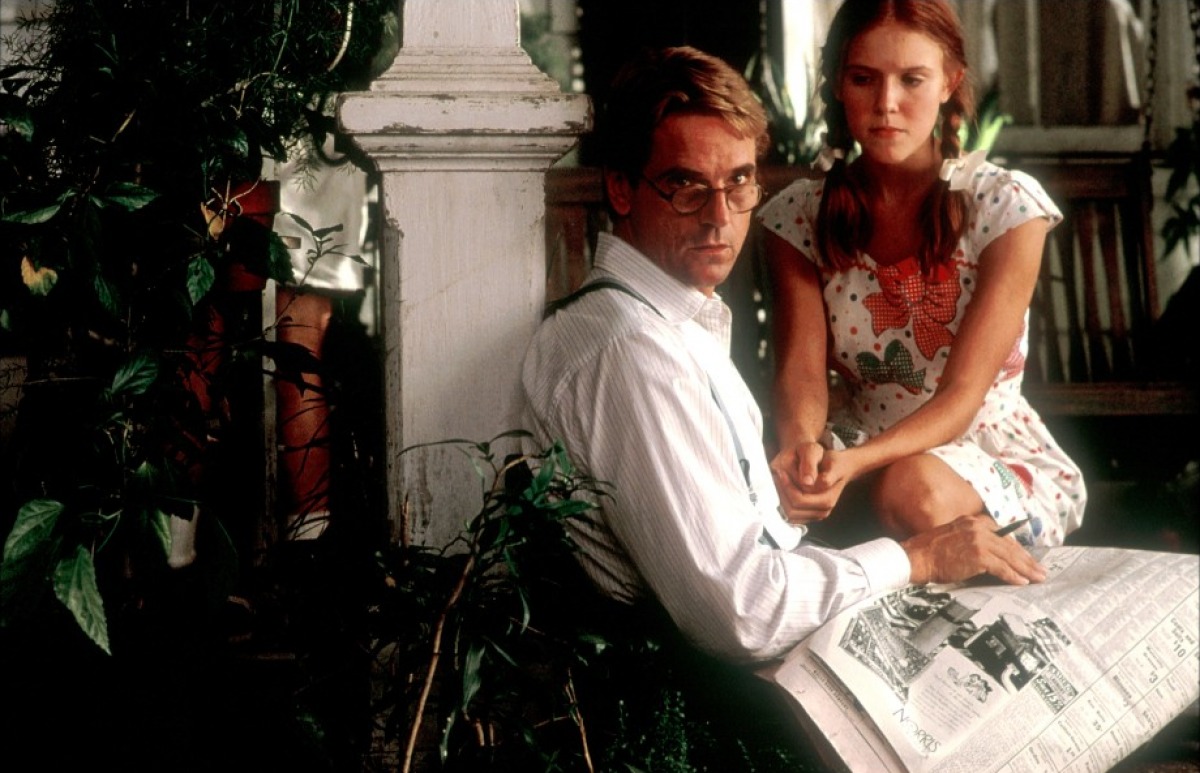
Vladimir Nabokov’s Lolita can be known as one of the most misread novels in modern literature. Often mislabelled as a “love story,” Lolita never fails to spark discomfort, expose the horrors of human nature, and provoke debate and moral outrage. Yet, to ask whether Lolita can be read as a love story is not merely a question of interpretation; it is a test of how carefully one reads and how responsibly one responds to narrative voices.
Thus, the short answer is no: Lolita is not a love story but the novel is deliberately written to sound like one.
Nabokov employs Humbert Humbert, the novel’s narrator, with dazzling linguistic brilliance. His language use, prose, and poems are lyrical and witty yet emotionally manipulative. Through carefully chosen words, Humbert not only charms the novel’s characters but also attempts to manipulate readers into sympathizing with him and his acts of abuse.
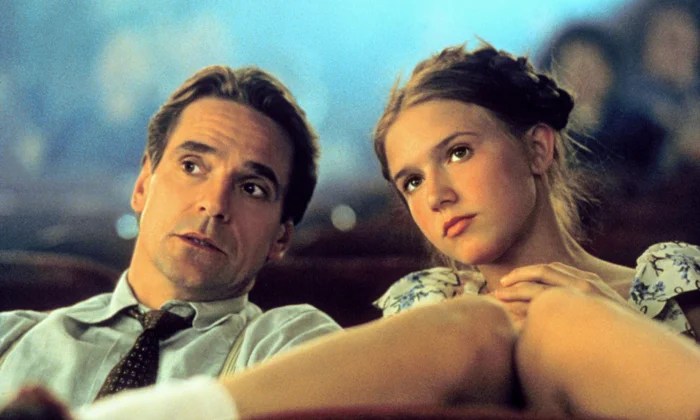
Even though this manipulation feels intentional, Nabokov himself once stated that Lolita has “no moral in tow,” meaning that he is not preaching a lesson or explicitly telling readers what is right or wrong. Yet, it is widely agreed that the novel is profoundly ethical in its construction. The way the story is structured, the language is used, and the perspective is chosen forces readers to confront uncomfortable truths about manipulation, abuse, and self-deception at their peak.
By allowing the narrator to tell his own story, Nabokov exposes how eloquence can disguise cruelty, and how literature, brilliance, charm, and aesthetics can be used to justify the unjustifiable.
So, if Lolita feels like a love story to some readers, it is because Humbert wants it to feel that way.
Love, in its most basic sense, is rooted in consent, mutual recognition, and the genuine valuing of one another’s autonomy. Humbert’s feelings for Dolores Haze, whom he renames “Lolita”, meet none of these characteristics. Instead, what he experiences is obsession, possession and control, filtered through self-pity.
Dolores, on the other hand, is tragically denied a voice, leaving readers to know her only through Humbert’s narration. This minimizes her pain and resistance, reframing them as flirtation and acceptance. The reader is therefore pushed to believe only the version of the events Humbert uncovers as truth.
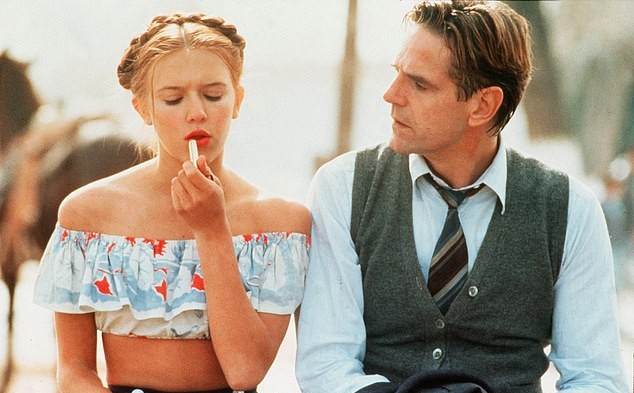
This brings us to another crucial question: can Lolita be a love story if it were presented in the voice of Dolores, the very child Humbert harms and over whom he exerts total control?
Doubtlessly, we can say that one of Nabokov’s greatest achievements in Lolita is placing the reader in an intensely uncomfortable position. The novel does not ask us to reflect on the beauty or pain of romance and love; instead, it asks how easily we can be persuaded by beautiful language, and how often we mistake intensity for love. Readers who interpret Lolita as a tragic romance often do so by overlooking Dolores altogether. This, too, is part of the novel’s design.
One major point to remember, however, is that Nabokov does not romanticize abuse; rather, he reveals how society and readers can become complicit in doing so.
If this question unsettles you (as it should), read Lolita by Vladimir Nabokov slowly and critically, with attention to what is said and what is silenced. If reading feels difficult, watch the 1997 film adaptation with the same awareness.
The story demands reflection, not comfort.
 Acadora