
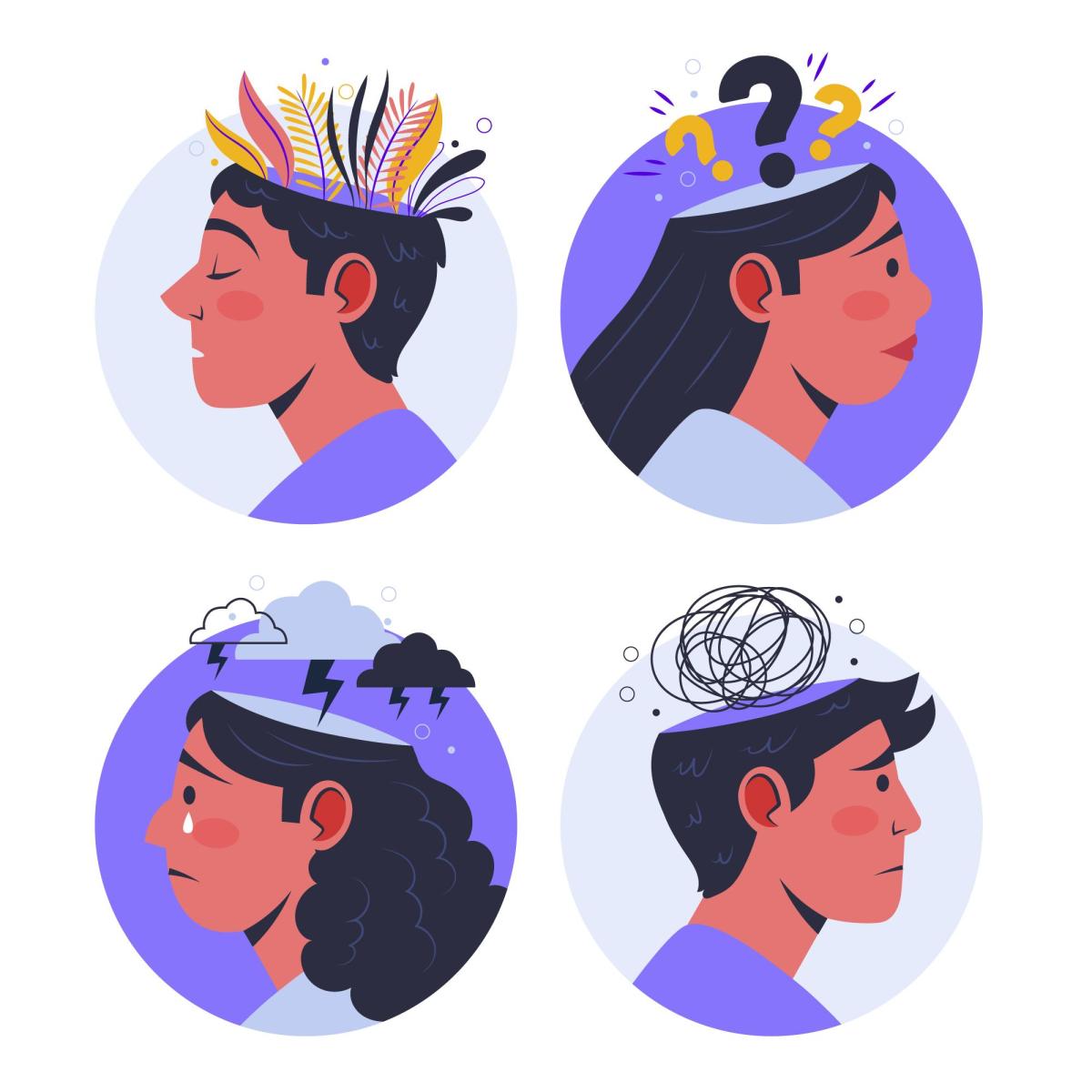
Autoimmune disorders, conditions where the immune system mistakenly attacks the body’s own tissues, disproportionately affect women and while genetics and biological factors play a central role in autoimmune disease risk, emerging research suggests that psychological and behavioural factors like chronic stress and patterns such as people-pleasing may contribute to disease severity and immune dysregulation.
Understanding the link between Mind and Body
The mind-body connection refers to how mental and emotional states can influence physical health, especially through stress-related pathways. Chronic or prolonged stress triggers the body’s hypothalamic-pituitary-adrenal (HPA) axis, elevating stress hormones like cortisol. Over time, this hormonal imbalance can lead to immune system dysregulation, inflammation, and increased vulnerability to illness.
Scientific reviews show that chronic stress dampens adaptive immune responses and increases pro-inflammatory signals, which are implicated in autoimmune processes. A mind-body approach such as mindfulness, relaxation techniques, and emotional processing can reduce cortisol and inflammatory markers, supporting immune balance.
Chronic Stress: More Than Just “Feeling Overwhelmed”
Constant stress, whether from work, relationships, caregiving responsibilities, or unresolved emotional needs, keeps the body in a persistent state of arousal. This continual “fight-or-flight” mode:
- Raises cortisol and adrenaline hormones
- Alters immune responses and increases inflammation
- Can worsen or trigger autoimmune flares in susceptible individuals
This pattern is supported by scientific studies showing stress-induced hormonal changes can weaken natural immune defenses and lead to chronic inflammation, a hallmark of many autoimmune diseases.
People-Pleasing and Emotional Self-Suppression
People-pleasing, the tendency to prioritise others’ needs at the expense of one’s own well-being, often involves emotional self-silencing. While not a medical cause of autoimmune illness, this behavioural pattern can contribute to chronic stress:
- Emotional repression increases activity along the HPA axis, intensifying stress responses.
- Long-term self-neglect is associated with higher physiological strain and inflammation.
Experts like Dr Gabor Mate highlight that repeated emotional suppression and the pressure to meet everyone’s expectations can contribute to a chronic stress burden, which, in genetically predisposed individuals may amplify immune dysregulation.
Why Women than men?
Women are biologically, psychologically, and socially more likely to experience chronic stress and emotional labour due to cultural expectations around caregiving, relationships, and self-sacrifice. This may help explain why:
- Autoimmune conditions are diagnosed more frequently in women than men.
- Stress interacts with hormonal, immune, and nervous system differences in women.
Although stress alone doesn’t cause autoimmune disease, it can exacerbate symptoms, contribute to disease flare-ups, or worsen overall health outcomes.
Mindful Approaches
A holistic, mind-body approach doesn’t promise cures, but it can improve quality of life for women managing autoimmune conditions:
Boundary-setting and assertiveness: learning to say “no” and prioritise personal needs reduces stress load.
Mindfulness and stress-management practices: techniques like meditation and relaxation can lower inflammatory markers and regulate emotional responses.
Psychotherapeutic support: therapies that focus on emotional expression (ACT, CBT, trauma-informed care) can help break patterns of chronic stress and self-silencing.
important points
1. Mind-body interplay affects immunity: Chronic stress dysregulates immune function and increases pro-inflammatory activity, a risk factor in autoimmune conditions.
2. Women’s physiology interacts with stress differently: Research indicates sex differences in stress responses, autonomic regulation, and inflammation, which can influence disease trajectories.
3. Emotional health matters: Greater emotional awareness, resilience, and self-care are linked to better psychological well-being, which potentially supports better immune regulation.
It’s important to emphasise that stress and people-pleasing do not cause autoimmune disease on their own. Autoimmunity involves complex interactions among genetics, biology, environment, and lifestyle. However, psychological stress can influence disease progression, severity of symptoms, and overall health outcomes.
Sources: The Science Behind Being Constantly Stressed and Health Implications.
 Acadora